
 EN
EN CN
CN
Blog
What grade of matcha is best for making lattes?
The key to a delicious matcha latte lies in choosing the right matcha. The texture, flavor, color, and how well the matcha blends with milk all depend on its quality and grade. For those wanting to select the best matcha for their latte, choosing the right grade is crucial. A good latte typically requires matcha… Continue reading What grade of matcha is best for making lattes?
 August 14, 2026
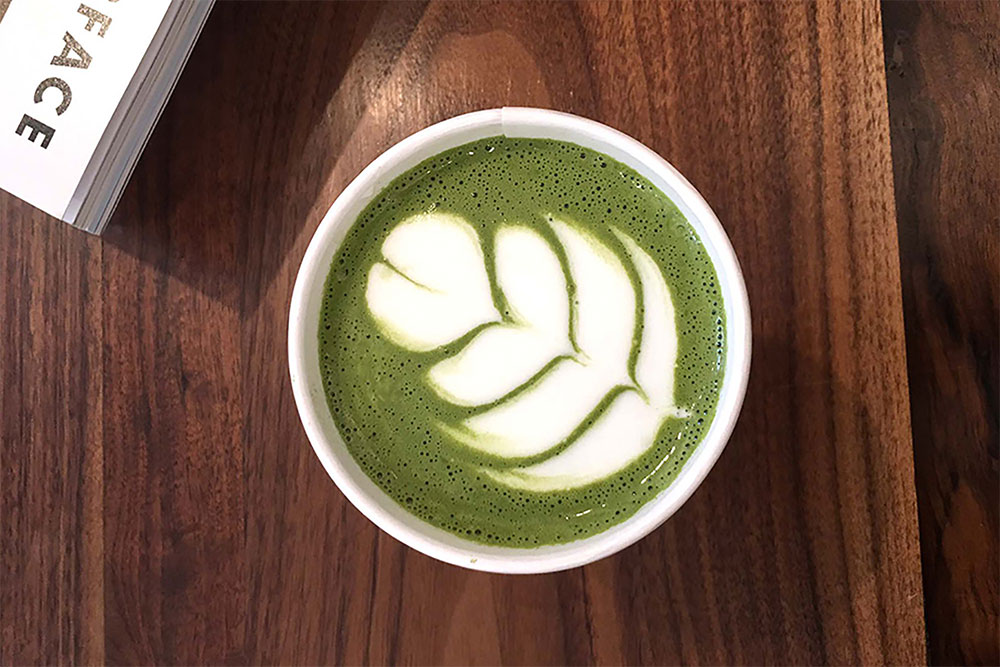
The key to a delicious matcha latte lies in choosing the right matcha. The texture, flavor, color, and how well the matcha blends with milk all depend on its quality and grade. For those wanting to select the best matcha for their latte, choosing the right grade is crucial. A good latte typically requires matcha with a vibrant color, moderate bitterness, and a rich aroma that is clearly discernible even in milk or plant-based milk.
Why Some Matcha Works Better for Lattes
Not all matcha performs the same way in milk-based drinks. A powder that tastes excellent in straight drinking (water only) may not always be the best matcha for lattes. Milk changes flavor perception, affects how green the drink looks, and changes how the powder disperses in service.
- Milk Dampens Flavor Perception
Tea notes can soften significantly in dairy or plant-based milks like oat. A latte matcha needs a more robust “polyphenol-to-amino acid” ratio to ensure the tea character penetrates the milk fat and remains highly noticeable, leaving a clean, sweet finish.
- Color Must Hold Up in Milk
The final drink matters more than the raw powder appearance. High-quality commercial matcha features optimized shading and processing to increase anti-oxidation resistance, ensuring the beverage stays vibrant green instead of turning muddy or yellow.
- Dispersion Affects Service Speed
During a high-pressure morning rush, a powder that clumps or settles too quickly can slow down café operations and ruin drink consistency. Beverage-grade matcha is milled for rapid homogenization.
What kind of matcha is suitable for making matcha latte?
Matcha for lattes should taste balanced rather than overly delicate. Milk softens bitterness and umami, while sweeteners can cover subtle aromas. A suitable latte matcha should therefore have a clear green-tea flavour and a smooth finish without becoming flat.
Colour is also useful, but it should not be the only deciding factor. Freshness, origin, grade and how the matcha tastes with your preferred milk matter more than chasing the brightest possible shade of green.
What Makes a Good Matcha Latte?
A well-made matcha latte should taste smooth, slightly sweet, and balanced. It should never taste overly bitter or grassy. When matcha blends properly with milk, it creates a creamy drink with a vibrant green color.
The best matcha for lattes:
- Dissolves easily in liquid
- Holds its flavor when mixed with milk
- Produces a rich green color
- Delivers smooth energy without bitterness
Matcha quality matters more in lattes than many people realize. Using the wrong grade often leads to dull color and flat flavor.
Understanding Matcha Grades for Lattes
Matcha comes in different grades, each designed for a specific purpose. Choosing the right grade depends on how you plan to use it.
- Ceremonial Grade Matcha
Ceremonial grade matcha works best for drinking straight or in lightly sweetened drinks. Latte-grade matcha offers a stronger flavor profile designed to stand up to milk and sweeteners.
- Latte Grade Matcha
For lattes, latte grade matcha is usually the best choice.
Latte grade or barista grade matcha is designed to hold up against milk, syrups, and ice. It’s typically made from tea leaves harvested later in the season or from leaves further down the plant. This gives it a bolder, more assertive flavor — rich, toasty, and vivid green — that doesn’t disappear when mixed with other ingredients.
Latte grade matcha is also usually more affordable than ceremonial grade, which makes it practical for daily lattes and drinks where you’re using a larger volume of powder.
- Culinary Grade Matcha
Made for baking and cooking. It can taste too harsh, bitter, or chalky when put into a milk drink, though it works fine in heavily sweetened recipes or smoothies.
Latte Matcha Buying Specifications
For cafés and beverage chains, the best latte matcha must survive milk, ice, syrup and speed. The powder should not only taste good in water. It must still taste like matcha after dilution.
| Latte Requirement | Recommended Specification | Why It Matters |
|---|---|---|
| Color | Bright green, high chlorophyll | Prevents muddy or yellowish drinks |
| Flavor | Strong umami, controlled bitterness | Cuts through oat milk, dairy and syrup |
| Texture | Fine enough for smooth whisking | Reduces clumps and improves mouthfeel |
| Solubility | Fast dispersion in café workflow | Speeds up service and improves consistency |
| Milk performance | Tested with oat, dairy, soy and coconut milk | Prevents weak taste in plant-based drinks |
| Price band | Medium to premium | Supports drink margin while protecting quality |
| Documentation | COA and batch consistency | Helps multi-store buyers control quality |
How to Choose Matcha Powder for Latte Cafes
For latte programs, the right matcha is not always the most expensive grade. Buyers should evaluate how the powder performs in milk, syrup, ice, store workflow, and repeat orders.
| Selection Factor | What Latte Buyers Should Check | Recommended Direction |
|---|---|---|
| Color Through Milk | The matcha should still look green after mixing with dairy milk, oat milk, or other plant-based milk. | Choose a latte-focused grade with stronger visual performance in the final drink. |
| Bitterness Level | Milk and sugar can balance bitterness, but excessive bitterness hurts repeat purchases. | Choose controlled bitterness with clear tea flavor and a smooth finish. |
| Flavor Strength | Matcha should remain noticeable after milk, syrup, ice, foam, or sweetener is added. | Barista-grade or beverage-grade matcha is often more practical than ceremonial grade. |
| Particle Size / Mesh | Finer powder improves mouthfeel, mixing behavior, and prep consistency. | Test in hot latte, iced latte, and pre-batched preparation before bulk purchase. |
| Cold Drink Performance | Iced lattes need good dispersion and less visible clumping during service. | Test in your actual milk base, ice level, and service workflow. |
| Recommended Grade | Ceremonial grade is not always necessary for latte chains. | Use barista, café, or beverage-grade matcha depending on menu positioning. |
| MOQ & Packaging | Cafés and chains need stable repeat supply and store-friendly handling. | 1kg bags, 5kg cartons, or larger bulk formats depending on usage speed. |
| COA & Batch Consistency | Repeat color and taste matter for store consistency across locations. | Ask for COA and batch approval before bulk purchasing. |
Find the perfect matcha for your latte
Choosing the right matcha for your latte depends on its grade, origin, ingredients, and brewing method. Latte-grade matcha has a rich flavor and consistent taste, making it ideal for latte coffee, while ritual-grade matcha is better suited for lighter, more sophisticated drinks.
FAQ
What is the best matcha grade for lattes?
The best matcha grade for lattes is usually Barista Grade or premium latte-grade matcha. It should have strong umami, bright green color, controlled bitterness and enough flavor strength to cut through milk, ice and sweetener.
What is the best matcha grade for oat milk lattes?
Oat milk lattes need a matcha with strong color and flavor penetration. Barista Grade matcha is usually the best choice because oat milk can dilute delicate tea flavor.
What is the best matcha powder for lattes?
The best matcha powder for lattes depends on milk compatibility, flavor strength, color performance, and menu price point. Beverage-grade or premium latte-oriented directions are often the best fit.
Is ceremonial matcha the best choice for matcha lattes?
Not always. Ceremonial-style matcha may work for premium latte menus, but many latte programs need a balance of flavor presence, cost fit, and consistency.
What matters more for latte use: flavor or color?
Both matter, but the right balance depends on your menu concept. Some cafés prioritize premium taste, while others need a stronger visual profile for iced and milk-based service.
Do you offer bulk matcha for cafés and chains?
Yes. Bulk supply options can support independent cafés, growing chains, distributors, and beverage brands.
Why is latte-grade matcha better suited to milk drinks?
Latte-grade matcha is generally bolder and more robust than delicate ceremonial powder, allowing its flavor and green color to remain noticeable in dairy or oat milk. Ceremonial matcha can lose its subtle character in milk, while culinary powder may taste harsh or chalky. Latte grade is intended to balance strength, smoothness, and cost.

Jady
Jady has over 20 years of experience in the plant extract industry and is a seasoned expert in natural plant active ingredients. She specializes in the research, analysis, and extraction of plant extracts, natural sweeteners, mushroom extracts, cosmetic ingredients, and other plant active ingredients. Jady possesses a deep understanding of international food safety standards such as FDA and EFSA, and can clearly explain complex biochemical concepts to formulators worldwide. Her expertise effectively helps brands bridge the gap between scientific research and commercial applications, focusing on developing natural health products. She excels at guiding brands to understand the specific applications of various ingredients in dietary supplements, functional foods, and cosmetics, enabling clients to more easily select suitable ingredients and find reliable solutions.


Get in Touch
If you are considering sourcing high-quality raw materials, developing new products, customizing formulas, or have any other questions, please contact us!
We are ready to provide you with high-quality raw materials, personalized formula customization, private label solutions, or any other assistance to help you embark on your brand journey!
