
 EN
EN CN
CN
Blog
What Is Caramel Color?Types And Applications Of Caramel Color
Caramel Color is generally considered a common food additive, produced by heating sugars (such as glucose or sucrose) under controlled conditions. Sometimes, it is treated with substances such as acids, alkalis, ammonia, or sulfites to adjust its properties. Caramel Color is classified into four types: regular caramel, caustic sulfite caramel, ammonia caramel, and sulfite-ammonia caramel.… Continue reading What Is Caramel Color?Types And Applications Of Caramel Color
 August 20, 2026
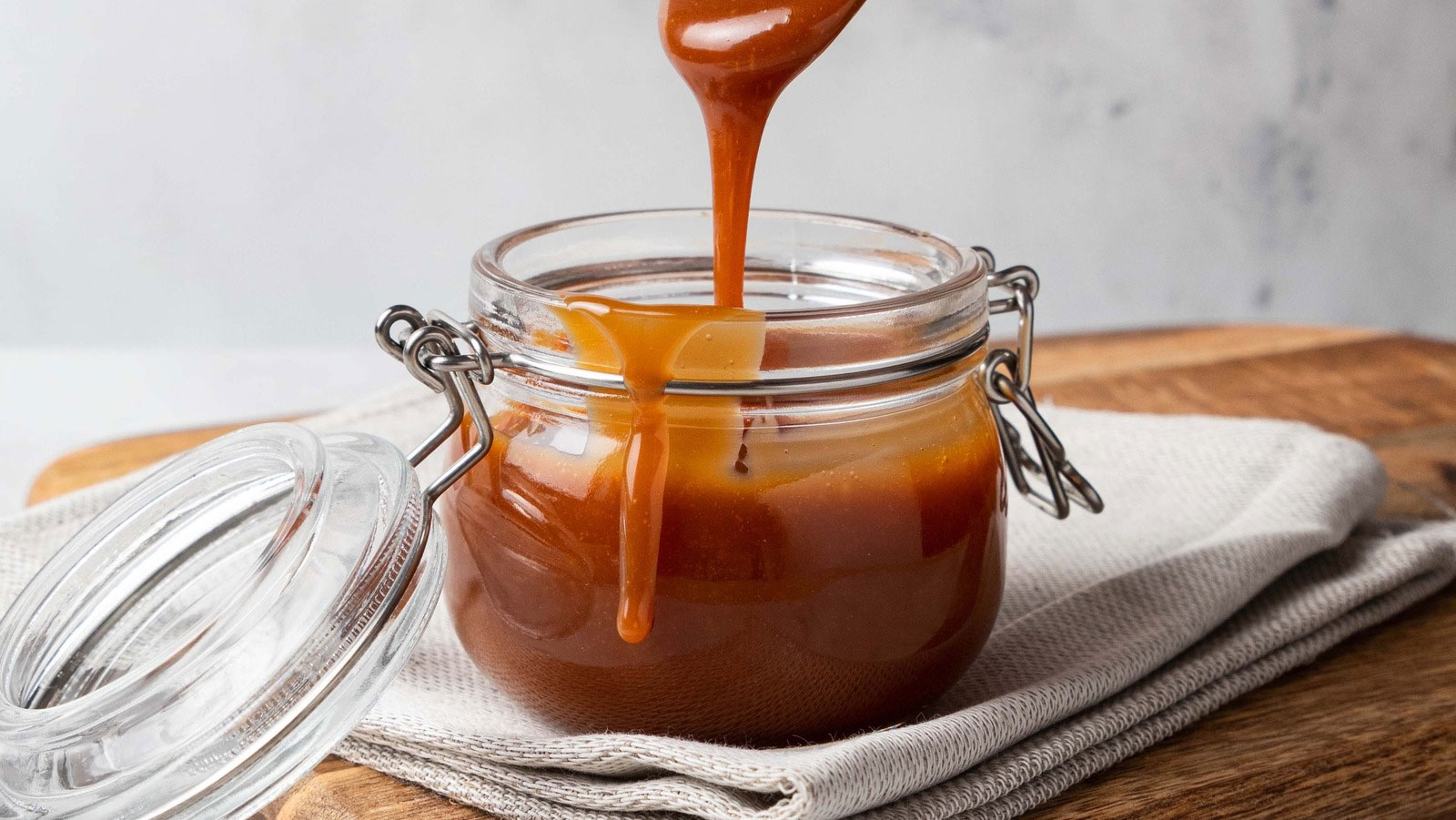
Caramel Color is generally considered a common food additive, produced by heating sugars (such as glucose or sucrose) under controlled conditions. Sometimes, it is treated with substances such as acids, alkalis, ammonia, or sulfites to adjust its properties. Caramel Color is classified into four types: regular caramel, caustic sulfite caramel, ammonia caramel, and sulfite-ammonia caramel. Caramel Color is widely used in soft drinks, baked goods, alcoholic beverages, and flavorings because it can enhance the appearance of products without altering their flavor. This article will focus on the classification, production, and applications of caramel Color.
What is Caramel Color?
Caramel color is a water-soluble food colorant which is made by heat treatment of carbohydrates. It is widely used in beverage, soy sauce, etc., bringing attractive and appealing color to foods. Caramel color is also called the Color of Soy Sauce in China, because it was first found in the fermentation of soy sauce. After years of research, caramel color has been proved to be safe and effective in a variety of food applications with few limits of dosage. Nowadays, caramel color has become the world’s most widely used food colorant.
Caramel color has an odor of burnt sugar, so it can not only provide an appealing color, but also enhance the original flavor and taste of foods.
Types Of Caramel Color
Caramel color can be derived from a variety of food-grade carbohydrates including dextrose, malt syrup, molasses, and starch hydrolysates. The carbohydrate is processed to produce one of four types of caramel color (i.e., Class I, II, III, and IV). Each class consists of a variety of caramels with their own unique properties that make it suitable for particular applications.
Class I Caramel Color, E150a
Class I caramel, also known as plain caramel, has a strong aftertaste and mild aroma. Caramel within this class can range in color from yellow to red. Class I caramel colors are stable in alcohol, tannin, and salt-rich environments, making them ideal food additives for whiskies, liqueurs, lemonade products, poultry coatings, juice concentrates, sauces, and cocoa extenders.
Class II Caramel Color, E150b
Class II caramel colors, or spirit caramels, are created by cooking a carbohydrate with the aid of food grade sulfites. The hues can range from very yellow to dark red-brown and most are stable above pH 3.0.
Class II caramel colors offer an exceptional red tone, as well as a mild flavor profile and aroma. As with Class I, Class II caramel colors exhibit good stability in alcohol, so they are often found in alcohol, such as wine, rum, liqueurs, and brandy. Class II caramels can also be found in light cake mixes and other snack foods.
Class III Caramel Color, E150c
Class III caramel colors, also called ‘beer caramels’, are created through the controlled heating of carbohydrate sources with food grade ammonium compounds. The resulting color ranges from a light brown to dark red-brown.
Caramels within Class III have a sweet like aroma. Class III caramel color is used in a wide variety of applications, including cereal, beer, pet food, licorice, and gravy, soy, and BBQ sauce, due to its stability in alcohol and salt-rich environments and red-brown coloring.
Class IV Caramel Color, E150d
The most common and most versatile of the caramel colors is Class IV. Caramels within this class have a very mild aroma and flavor profile, and a rich dark brown color. Their stability in alcohol, tannin, and acid-rich environments make Class IV caramels ideal food additives for the widest variety of applications. These versatile caramel colors are often added to balsamic vinegar, coffee, chocolate syrups, soft drinks and other carbonated beverages, baked goods, cocoa extenders, pet foods, sauces, soups, meat rubs, seasoning blends, and other flavorings.
How Caramel Color Is Produced
Production follows a controlled, multi-step process:
Step 1: Heating Sugars to Start Caramelization
Caramelization begins when sugars like glucose or sucrose are heated under carefully controlled conditions. The temperature must be high enough to break down sugar molecules and trigger browning, but not so intense that the batch scorches. Getting that balance right produces the stable brown pigment food manufacturers rely on.
Step 2: Adding Reactants to Control Color and Stability
Once caramelization is underway, manufacturers may introduce acids, alkalis, ammonia, or sulfites. The specific combination of reactants determines which of the four caramel color classes the batch falls into, and each class behaves differently in acidic, neutral, or alcohol-based products.
Step 3: Monitoring Temperature and pH for Consistency
Precise monitoring of heat and pH levels runs throughout the entire process. Even small fluctuations can alter the shade, consistency, or chemical profile of the final colorant. Tight control at every stage keeps each batch uniform and food-safe.
Step 4: Filtering and Purifying to Meet Safety Standards
After the caramelization reaction is complete, the solution goes through filtration and purification. Any impurities or unwanted byproducts are removed so the colorant meets food-grade safety standards before leaving the production facility.
Step 5: Concentrating or Diluting for Specific Applications
The final step adjusts potency. Depending on the intended use, the liquid caramel color is either concentrated for products needing deep brown tones or diluted for lighter, more subtle coloring. A single production run can yield colorant suited for everything from dark cola to pale baked goods.
Application Of Caramel Color
Caramel coloring can be used in just about every application for food and beverage. Its stability and versatility make it a very sensible option for brown shades across the spectrum.
Beverage
Caramel coloring is a staple in beverages, as it creates the rich, dark tones associated with many popular, favorite drinks.
- Carbonated Soft Drinks (Colas and Dark Soft Drinks): The distinctive brown color of colas and dark drinks is derived from caramel color. It is perfect for carbonated drinks because it doesn’t change in acidic surroundings. Additionally, it promotes clean-label consistency and product uniformity between batches.
- Alcoholic Beverages: Caramel color is used to change the tone of beers, stouts, and malt-based beverages without changing their flavor. It aids in giving alcoholic beverages the appropriate amber or deep brown hue. It is a favored brewing addition due to its heat and fermentation stability.
- Energy Drinks: The color caramel gives energy drinks, particularly those that are meant to taste like cola, a strong, rich tone. It guarantees that the product keeps its color and appearance under a variety of shelf conditions. It is simple to incorporate into functional drink recipes due to its solubility.
- Dairy Beverages: Caramel color gives flavored milk, iced coffee, and malted dairy beverages a cozy, enticing look. It resists pasteurization and other high-temperature procedures like UHT. Its neutral flavor guarantees that the drink’s flavor profile won’t be impacted.
- Fruit Drinks and Teas: Dark fruit juices and ready-to-drink teas benefit from the depth that caramel color adds. It contributes to a unified appearance, particularly in tea-based beverages that are brewed or blended. Both gently sweet and highly acidic compositions benefit from its use.
Sauces
Caramel coloring is primarily used to improve the visual appeal of sauces, giving gravy, soy sauce, and marinades a unique, rich color.
- Soy Sauce and Fish Sauce: The rich, dark brown hue and glossy look of fish sauce and soy sauce are attributed to the caramel color. It adds visual appeal without obscuring subtle umami flavors. Additionally, it promotes uniform color throughout production batches and shelf stability.
- Barbecue (BBQ) Sauces: Caramel color gives BBQ sauces a rich, smoky color that resembles slow-cooked caramelization. It doesn’t break down when combined with vinegar, spices, and sweeteners. This aesthetic appeal enhances the impact of the product in food service and bottled formats.
- Gravy and Gravy Bases: Brown gravies, curry bases, and roux mixes gain depth and richness by the addition of caramel color. It gives the appearance of gradual cooking without requiring a lot of work. Additionally, it does well in hot-fill, packaging, and reheating procedures.
- Seasoning Mixes and Meat Rubs: Caramel color adds depth to dry spice blends and rubs and improves the browning of meat while it cooks. When used on grilled, roasted, or smoked foods, it promotes consistent color. For commercial seasonings and spice coatings, its dry form is perfect.
- Vinegar and Condiments: Caramel hue gives goods like Worcestershire sauce, balsamic vinegar, and pickled sauces a rich, dark look. In acidic environments, it mixes nicely and retains its clarity. Its clean-label versions are commonly used in condiment formulations worldwide.
Dairy
In dairy applications, caramel coloring is used to achieve natural-looking tones while maintaining stability under challenging conditions like heat and refrigeration.
- Ice Cream and Puddings: Caramel coloring is often added to create warm, appetizing colors in flavors like caramel, butterscotch, and mocha.
- Dairy-Based Beverages: From flavored milk to cream liqueurs, caramel coloring enhances the visual appeal and provides uniformity across batches.
- Yogurts: Light caramel tones can bring an enticing, rich hue to many dessert-flavored yogurts.
Confection
In the world of sweets, caramel coloring is helpful in creating visually appealing products that stand out on the shelf and hint at delicious flavors.
- Candy and Cocoa-Flavors: Caramel coloring deepens the shades of caramels, toffees, and cocoa treats, adding richness and enhancing the flavor profiles.
- Gummies and Chews: For soft candies, caramel coloring provides a warm, inviting tone that complements fruit and spice flavors.
- Decorative Toppings and Fat-Based Coatings:In syrups, glazes, or coatings, caramel coloring provides the perfect finish that won’t degrade.
Pet Food
Caramel coloring isn’t just for human consumption – it plays a key role in pet food, too. For many pet owners, the appearance of their furry friend’s food is as important as their own.
- Dry Kibble: Caramel coloring gives kibble a uniform, appetizing brown hue that mimics meat.
- Wet Pet Food: Caramel coloring adds richness to gravies and stews, helping add the expected appearance to wet pet food.
- Treats and Chews: From dog biscuits to cat treats, caramel coloring enhances the “real” look and appeal of pet snacks.
Baked
Baked goods often rely on caramel coloring to create the signature sweet and savory appearances that many of them have.
- Breads: Caramel coloring can be used to deepen the colors and highlight the flavor profiles of many kinds of loaves.
- Pastries and Desserts: In cookies, muffins, pies, and more, caramel coloring adds the right shades to achieve the sweet, freshly baked look of chocolate, peanut butter, caramel, and more.
- Glazes and Fillings: Caramel coloring can enhance the richness of glazes and fillings to perfectly complement the finished look of baked products.
Processed
In processed foods, caramel coloring serves as both a functional and aesthetic ingredient, helping products look as good as they taste.
- Sauces and Gravies: Caramel coloring adds depth to items like gravies, soy sauce, and barbecue sauce, creating the rich, glossy appearance that consumers expect.
- Soups and Stews: It enhances the color of broth-based soups, giving them a hearty, homemade look.
- Prepared Meals: From frozen entrees to ready-made side dishes, caramel coloring ensures uniformity across batches and boosts visual appeal.
Plant-Based
In plant-based meat products, caramel coloring can help achieve an authentic look by providing the right shades and tones that mimic the look of cooked or grilled meat.
- Browning and Grilling Effects: Caramel coloring replicates the golden-brown crust seen on traditional grilled meats, enhancing the visual appeal of plant-based burgers or steaks.
- Color Uniformity: Caramel color ensures consistency in appearance across batches, so that plant-based nuggets or patties look the same every time.
- Raw and Cooked Appearance: Caramel coloring allows manufacturers to create products that look like raw meat when uncooked but develop a natural browning effect during cooking.
Conclusion
Caramel color is more than just a technique to make food look more appealing; it’s a reliable, clean-label solution widely used in beverages, food, dairy, confectionery, sauces, and pet food. Caramel food coloring stands out for its stability, versatility, and clean-label advantages. At Green Spring, we are committed to providing safe, high-quality caramel food coloring for all your food and beverage needs, creative ideas, and innovations.
Green Spring is more than just a caramel coloring supplier; we are a trusted partner for food brands. From clean-label formulation improvements to export-grade blended colorants, our R&D-supported solutions ensure product consistency, compliance, and can meet the customized needs of every product.
FAQ
1. What is caramel color in food made from?
Caramel color is produced by heating sugars like glucose or sucrose, sometimes with acids, alkalis, ammonia, or sulfites, to create a stable brown pigment used strictly for appearance.
2. Is caramel color safe to eat?
FDA, which classifies it as GRAS (Generally Recognized As Safe). All four classes (I–IV) are approved for use in food and beverages within established limits.
3. Does caramel color change the flavor of food?
No. Concentrated caramel color has a faint bitterness, but amounts used in food products are too small for any detectable taste impact.
4. Is caramel color vegan?
Most caramel color is considered vegan since production relies on heated sugars and chemical reactants rather than animal-derived ingredients. Checking the specific class and manufacturer is still a good practice for anyone following a strict dietary standard.
5. Why is caramel color so widely used in processed food?
Caramel color remains popular because of its versatility. Unlike most other food colorants, caramel color stays stable across high-acid, high-salt, and high-alcohol environments. Manufacturers also favor caramel color because the quantities needed are small enough to add consistent brown tones without affecting flavor.
6.Is caramel color available in liquid and powder form?
Yes, caramel color is available in both liquid and dry powder form. The dry form is especially useful in spice blends and meat rubs, whereas the liquid form is more common in beverages and sauces.
7.What makes caramel hue appropriate for clean label food production?
Caramel color is available in clean-label forms (such as Class I and II), has been certified by FSSAI and international authorities, and assists brands in achieving transparency while maintaining product look.

Jady
Jady has over 20 years of experience in the plant extract industry and is a seasoned expert in natural plant active ingredients. She specializes in the research, analysis, and extraction of plant extracts, natural sweeteners, mushroom extracts, cosmetic ingredients, and other plant active ingredients. Jady possesses a deep understanding of international food safety standards such as FDA and EFSA, and can clearly explain complex biochemical concepts to formulators worldwide. Her expertise effectively helps brands bridge the gap between scientific research and commercial applications, focusing on developing natural health products. She excels at guiding brands to understand the specific applications of various ingredients in dietary supplements, functional foods, and cosmetics, enabling clients to more easily select suitable ingredients and find reliable solutions.


Get in Touch
If you are considering sourcing high-quality raw materials, developing new products, customizing formulas, or have any other questions, please contact us!
We are ready to provide you with high-quality raw materials, personalized formula customization, private label solutions, or any other assistance to help you embark on your brand journey!
