
 EN
EN CN
CN
Blog
Natural vs Synthetic Food Coloring: Distinctions and Choices
Color is one of the first elements we notice about food. A bright red strawberry, a slice of golden cheese, or a vibrant orange drink—these colors influence our expectations of taste, freshness, and quality even before we taste them. Food colorings are key additives that make all of this possible. Whether derived from plants or… Continue reading Natural vs Synthetic Food Coloring: Distinctions and Choices
 August 19, 2026
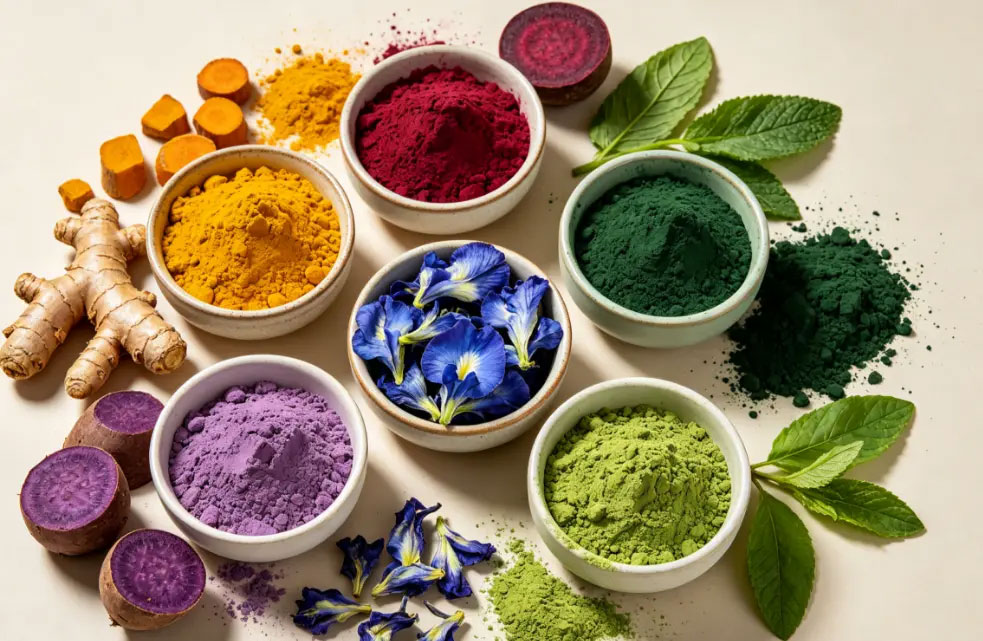
Color is one of the first elements we notice about food. A bright red strawberry, a slice of golden cheese, or a vibrant orange drink—these colors influence our expectations of taste, freshness, and quality even before we taste them. Food colorings are key additives that make all of this possible. Whether derived from plants or synthesized in a lab, these substances play a crucial role in making processed foods look appealing and maintaining their color. But what exactly is the difference between natural and synthetic colorings?
What is Natural Food Colorings?
A natural food colour is any pigment or substance extracted from a vegetal, microbiological, animal or mineral source that is capable of colouring foods or drinks. These natural sources include fruits, vegetables, animals, spices, seeds, insects and algae.
Most nature-derived colourants undergo an appropriate amount of processing to concentrate and stabilise the colour pigments. They will carry an E number.
Some natural colourants do not carry an E number. These are colouring foodstuffs. There is no use of solvents or chemicals involved in their production — they are simply foods that can add colour, hence the name. They don’t classify as technological additives, so food and drink manufacturers don’t need to declare an E-number on the packaging — ‘clean label’, in other words.
What is Synthetic Colourants?
Also known as artificial food colours, these are manufactured in a laboratory by chemical reaction. They are popular for providing an intense, uniform colour.
As a rule, artificial colourants are more cost effective, stable and vibrant than their natural counterparts. Products created with them have a longer-lasting colour; it’s also easier to blend them to create new colours. As well as food production, they have extensive use in pharmaceutical products.
Differences Between Natural and Synthetic Food Colors:
1. Source:
Natural Food Colors: As the name suggests, natural food colors are sourced from plants, fruits, vegetables, and other natural ingredients. They are minimally processed and are generally considered safe for consumption.
Synthetic Food Colors: Synthetic food colors are chemically synthesized in laboratories. They do not originate from natural sources and are created through a series of chemical reactions.
2. Chemical Composition:
Natural Food Colors: The pigments in natural food colors are composed of naturally occurring compounds, such as chlorophyll, carotenoids, and anthocyanins. These compounds are often rich in antioxidants and can have additional health benefits.
Synthetic Food Colors: Synthetic food colors are composed of artificial chemical compounds, which may include coal-tar derivatives and petroleum-based chemicals. Some of these synthetic colors have raised concerns about potential health risks when consumed in large quantities.
3. Color Variability:
Natural Food Colors: Natural food colors may exhibit variations in color intensity due to factors such as the source, growing conditions, and extraction methods. They tend to produce more muted and earthy tones compared to synthetic colors.
Synthetic Food Colors: Synthetic food colors offer a wider range of vibrant and consistent colors. They can be precisely controlled to achieve specific shades, making them ideal for producing brightly colored foods and beverages.
4. Stability:
Natural Food Colors: Natural food colors are generally less stable than synthetic ones. They may fade or change color when exposed to factors like heat, light, and pH levels, which can limit their use in certain applications.
Synthetic Food Colors: Synthetic food colors are highly stable and less prone to fading or degradation when exposed to environmental factors. This stability makes them suitable for a wide range of food products, including baked goods, candies, and beverages.
5. Labeling and Regulation:
Natural Food Colors: In many countries, natural food colors are often considered more desirable by consumers due to their natural origin. However, there can be variations in labeling regulations, and not all natural food colors are universally accepted as safe.
Synthetic Food Colors: Synthetic food colors are subject to strict regulation and approval processes by food safety authorities, such as the U.S. Food and Drug Administration (FDA) and the European Food Safety Authority (EFSA). They are generally considered safe when used within specified limits.
| Aspect | Natural Food Dyes | Synthetic Food Dyes |
| Source | These are made from plants, fruits, or minerals. | These are created through chemical processes in laboratories. |
| Common Examples | Turmeric, beetroot, spirulina, and paprika are often used as natural colorants. | Tartrazine (Yellow 5) and Allura Red (Red 40) are common synthetic dyes. |
| Stability | Natural dyes are less stable when exposed to heat, light, or acidic conditions. | Synthetic dyes stay consistent under various processing and storage conditions. |
| Cost | They are generally more expensive to produce and use in large quantities. | These dyes are cost-effective and easier to scale in mass production. |
| Labeling Appeal | They fit well with clean-label and health-focused product claims. | Many consumers now avoid them due to health and transparency concerns. |
| Color Output | They give softer, natural-looking shades. | These dyes produce bright, bold, and intense colors. |
| Regulatory View | Natural dyes are widely accepted and preferred in clean-label markets. | Some synthetic dyes face restrictions in regions like the EU and are under scrutiny. |
The Pros and Cons of Natural vs. Artificial Colors
Natural Food Colors
Pros of Using Natural Food Colors
- Perceived as healthier and cleaner: Consumers are becoming more aware of artificial additives, making natural colors a preferred choice for those seeking cleaner ingredient lists. Natural colors help brands align with the growing demand for transparency and better-for-you products.
- Derived from real food sources: Unlike synthetic dyes, natural colors come from fruits, vegetables, and minerals, such as beet juice, turmeric, spirulina, and lycopene. This allows brands to emphasize natural ingredients in their products.
- Accepted in premium and clean-label markets: Many high-end retailers, organic brands, and health-conscious consumers prioritize natural colors. Stores like Whole Foods and other clean-label brands prohibit artificial dyes, making natural color solutions essential for entering premium market segments.
Cons of Using Natural Food Colors
- More expensive: Natural colors are typically costlier than artificial dyes due to sourcing, extraction, and stability challenges. Since they come from real food ingredients, production costs are higher, and availability can fluctuate based on harvest conditions.
- Less stable in certain applications: Natural colors can be pH-sensitive, heat-sensitive, or prone to fading over time, requiring careful formulation to maintain stability and vibrancy. Some colors are difficult to achieve: Blues and greens are particularly challenging to attain naturally. U.S. regulations restrict certain natural green options, and many natural blue sources, like spirulina, have flavor and stability concerns.
- Some colors can subtly impact flavor: Since natural colors are derived from fruits, vegetables, and botanicals, they can sometimes introduce earthy or bitter notes to the final product, especially in high concentrations.
Artificial Synthesis Colors
Pros of Using Artificial Synthesis Colors
- Lower cost: Artificial colors are significantly cheaper to produce and use compared to natural alternatives. Since they are highly concentrated, only small amounts are needed to achieve bold, consistent hues.
- Longer shelf life: Artificial colors are chemically stable, giving them a longer shelf life and making them easier to store and transport. Many are available in dry powder form, with some lasting several years without degradation.
- More vibrant and stable in most applications: Artificial colors can produce intense, electric shades that are difficult to replicate naturally. They are also resistant to pH changes, heat exposure, and oxidation, ensuring consistent color across a wide range of formulations.
- Does not affect flavor: Artificial colors are flavor-neutral and don’t alter the taste or aroma of the final product. This makes them easier to work with in delicate desserts and beverages where maintaining pure flavor is essential.
Cons of Using Artificial Synthesis Colors
- Growing health concerns: Artificial dyes, such as Red 3, Yellow 5, and Blue 1, have been linked to potential health risks and behavioral concerns in some studies. Red 3 was recently banned in certain applications in the U.S., and more regulatory actions could follow.
- Restricted in clean-label and premium markets: Many retailers, including Whole Foods and other clean-label brands, prohibit artificial colors. This limits opportunities for brands that want to enter premium, organic, or natural food markets.
- Increasing consumer resistance: With the rise of health-conscious consumers, artificial colors are viewed with increasing skepticism. Many brands have already reformulated to remove synthetic dyes in response to shifting consumer preferences.
Which Is Best for Each Usage?
1. Baking and Confectionery:
Synthetic food colors are the preferred choice for baking and confectionery because they offer bright, consistent colors that remain vibrant after baking. They are ideal for decorating cakes, cookies, and candies, as well as for creating colored icings and frostings.
2. Beverages:
Beverages often require stable colors that won’t fade or change when exposed to light and heat. Synthetic food colors are commonly used in soft drinks, sports drinks, and fruit juices to achieve the desired visual appeal.
3. Health and Wellness Products:
When it comes to health and wellness products, such as dietary supplements and herbal remedies, natural food colors are often preferred. Consumers seeking products with minimal artificial additives may find natural colors more appealing.
4. Savory Foods:
Savory foods, such as soups, sauces, and savory snacks, can benefit from the earthy and muted tones of natural food colors. These colors blend well with savory flavor profiles without overpowering them.
5. Natural and Organic Products:
Natural food colors align with the preferences of consumers seeking organic and natural food products. They are often the go-to choice for manufacturers catering to this market segment.
Benefits of Natural Food Coloring
While there is still much research being done on the potential health effects of synthetic food dyes, there are some potential benefits of using natural products instead:
- Fewer adverse reactions: There is some evidence that synthetic food dyes are associated with adverse reactions in sensitive individuals who have allergies; there have also been studies that show a connection between synthetic food dyes and hyperactivity in some children. Natural dyes, by contrast, are considered safer and less likely to cause problems.
- Nutritional value: Most synthetic dyes are made from chemicals that are problematic at worst and neutral at best; even if they don’t cause an adverse reaction, they won’t provide any nutritional benefit. Not only are natural dyes typically derived from nutritionally rich parts of plants (skins, seeds, etc.), but they also often contain valuable nutrients and compounds like antioxidants that are known to have significant health benefits. Examples include plants like beets and turmeric that provide bold, vibrant colors while also containing important phytochemicals.
- Sustainable: Because natural food coloring is derived from renewable plant sources, these dyes are more environmentally sustainable by default when compared to their synthetic counterparts. Using natural coloring supports sustainable agricultural practices and reduces reliance on fossil fuels, aligning with consumer preferences for eco-friendly and ethically sourced products.
- Marketing appeal: With the growing demand for healthier food products that are considered “clean” label, natural food coloring offers an attractive option for food manufacturers looking to meet consumer preferences for transparency and authenticity. Using natural colors allows brands to create products with simpler ingredient lists and labels that resonate with health-conscious consumers.
How food colouring agents are regulated
Food colouring agents are among the most strictly regulated food additives worldwide. The regulatory frameworks differ between countries, but the central goal is the same: ensuring consumer safety.
Regulation in the United States
In the U.S., the FDA divides colour additives into two categories: those subject to certification (synthetic dyes that must have each production batch tested) and those exempt from certification (mostly natural and nature-identical colorants). Under the Federal Food, Drug, and Cosmetic Act, no colour additive can be used in food without explicit FDA approval.
A major regulatory shift began in January 2025, when the FDA revoked the authorization for FD&C Red No. 3 (Erythrosine) in food, triggered by animal studies linking it to cancer. This was the first formal removal of a synthetic dye in decades. In April 2025, the FDA and the Department of Health and Human Services announced a plan to phase out all remaining petroleum-based synthetic dyes from the U.S. food supply by the end of 2027. Major companies like General Mills, Nestlé, Mars, PepsiCo, and Hershey have publicly committed to reformulating their products with natural alternatives.
To support this transition, the FDA approved several new natural colour additives in 2025, including Galdieria extract blue (from red algae), butterfly pea flower extract, calcium phosphate, gardenia blue, and beetroot red.
Regulation in the European Union
The EU follows the precautionary principle more strictly. EFSA has re-evaluated every approved synthetic colour additive since 2009, setting acceptable daily intake (ADI) values and maximum permitted levels for each. Six synthetic dyes – including tartrazine, Ponceau 4R, and Allura Red – are required to carry mandatory warning labels about potential effects on children’s behaviour. Some colorants permitted in the U.S., such as certain petroleum-based dyes, face tighter restrictions or outright bans in the EU.
Regulation in India
In India, the Food Safety and Standards Authority of India (FSSAI) regulates food colorants under the Food Safety and Standards (Food Products Standards and Food Additives) Regulations. Both natural and synthetic colorants are permitted, but within prescribed limits. Surveys have found cases where synthetic dyes like tartrazine exceeded the uniform maximum permissible limit of 100 mg/kg in certain food categories, highlighting ongoing enforcement challenges.
Conclusion
The choice between natural and synthetic food colors ultimately depends on the specific application and consumer preferences. While synthetic food colors offer vibrant and stable colors for many processed foods and beverages, natural food colors have gained popularity due to their natural origin and potential health benefits. Both types of food colors have their merits and are safe for consumption when used within regulatory limits.
As food manufacturers and consumers continue to prioritize clean labels and natural ingredients, natural food colors are likely to see increased usage in a variety of products. However, the choice between natural and synthetic food colors should always be guided by the specific requirements of the product and the expectations of the target audience.
FAQ
Are natural food colorings safer than synthetic colorings?
Yes. Natural food colorings are derived from plants and are generally considered safer, while synthetic colorings have been linked to potential health problems.
Are natural colorings as effective as synthetic colorings?
The stability and covering power of natural colorings are constantly improving, but synthetic colorings still offer richer colors and better processing resistance.
Is it more expensive to switch from synthetic to natural colorings?
Natural colorings may be more expensive, but the higher consumer trust and brand value usually pay off handsomely.
Are food colorings vegan?
Most natural food colorings are vegan, but some synthetic or insect-derived colorings may not be.
Can natural food colorings be used in all types of food?
Yes, although their properties may vary. With proper formulation, they can be used in beverages, dairy products, baked goods, and more.

Jady
Jady has over 20 years of experience in the plant extract industry and is a seasoned expert in natural plant active ingredients. She specializes in the research, analysis, and extraction of plant extracts, natural sweeteners, mushroom extracts, cosmetic ingredients, and other plant active ingredients. Jady possesses a deep understanding of international food safety standards such as FDA and EFSA, and can clearly explain complex biochemical concepts to formulators worldwide. Her expertise effectively helps brands bridge the gap between scientific research and commercial applications, focusing on developing natural health products. She excels at guiding brands to understand the specific applications of various ingredients in dietary supplements, functional foods, and cosmetics, enabling clients to more easily select suitable ingredients and find reliable solutions.


Get in Touch
If you are considering sourcing high-quality raw materials, developing new products, customizing formulas, or have any other questions, please contact us!
We are ready to provide you with high-quality raw materials, personalized formula customization, private label solutions, or any other assistance to help you embark on your brand journey!
