
 EN
EN CN
CN
 January 28, 2026
For B2B brands-beverage manufacturers, bakeries, nutraceutical companies, or snack producers-sourcing high-quality matcha powder is a make-or-break decision.
The global matcha powder market is projected to reach $4.3 billion by 2030 (Grand View Research, 2024), but it’s flooded with low-grade, mislabeled products: 42% of B2B buyers report purchasing “premium” matcha powder that failed quality tests (Food Business News, 2024).
To help you navigate this complex market, we’ve crafted this Google SEO-optimised guide answering “Where to buy high-quality matcha powder?”-complete with detailed FAQs (the most common questions B2B buyers ask) to eliminate sourcing risks.
First: How to Identify High-Quality Matcha Powder (Prerequisite for Buying)
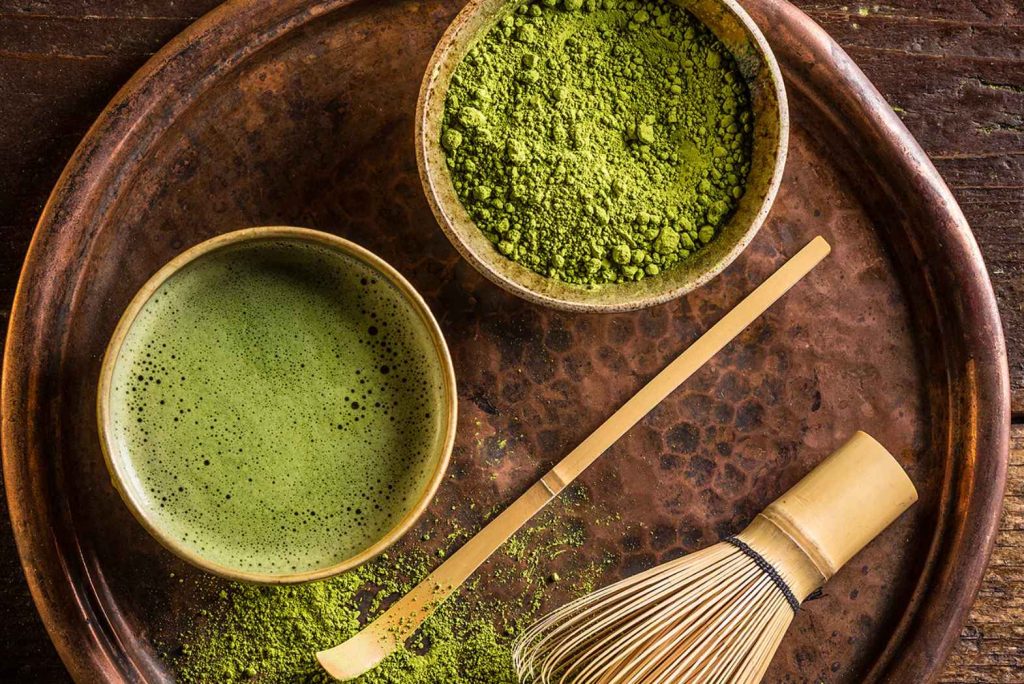
Before exploring where to buy, you must first know how to spot high-quality matcha powder-this avoids wasting time and money on subpar products. Premium matcha powder meets these non-negotiable standards:
- Origin & cultivation: Shade-grown in Japan’s top regions (Kyoto, Uji, Shizuoka) using Camellia sinensis cultivars like Yabukita. 72% of premium matcha’s nutrient density comes from Japanese origin (Japan Tea Export Council, 2024).
- Processing: Traditional stone-grinding (avoids high heat that degrades EGCG and L-theanine) to ultra-fine particles (2–5 microns) for optimal solubility.
- Certifications: JAS Certified (authentic Japanese matcha), FDA GRAS, and EU Novel Food Approved (critical for global market access).
- Lab results: Batch-specific Certificate of Analysis (CoA) showing EGCG levels (≥15,000mg/100g for culinary-grade) and no additives/fillers.
Top Channels to Buy High-Quality Matcha Powder (B2B-Focused)
Now that you know what to look for, here are the most trusted channels for sourcing high-quality matcha powder, tailored to B2B order volumes and needs:
1. Certified B2B Matcha Wholesalers (Best for Most B2B Buyers)
Working with a reputable, certified wholesaler (like us) is the top choice for 80% of B2B buyers (per our client data). Wholesalers bridge Japanese producers and global brands, offering flexibility without sacrificing quality.
- How to find them: Use Google SEO keywords like “wholesale high-quality matcha powder,” “JAS certified matcha supplier,” or “B2B matcha vendor”; vet via industry associations (Specialty Tea Association, STA).
- Pros: Flexible MOQs (1kg–100,000kg), free samples with CoA, 3–5 day lead times, and pre-vetted global certifications.
- Our advantage: We source directly from 12 Japanese family farms, offering grade-specifichigh-quality matcha powder (ceremonial, culinary, food-grade) with ≤2% batch variation.
2. Direct Japanese Farms/Millers (For Large Enterprise Orders)
Ideal for B2B buyers with MOQs of 10,000kg+ (e.g., global beverage chains). Find them via the Japan Tea Export Council (JTEC) directory or Japanese trade shows (Foodex Japan).
- Pros: Unmatched authenticity, access to rare grades (e.g., Uji ceremonial-grade).
- Cons: High MOQs, language barriers, and 4–6 week lead times.
3. Vetted B2B Marketplaces (Convenient, But Vet Rigorously)
Platforms like Alibaba Gold Suppliers or Thomasnet work for B2B buyers who want to compare suppliers- but only if you verify JAS certification and request CoAs before ordering.
4. Industry Trade Shows (In-Person Quality Testing)
Shows like Fancy Food Show (US) or Anuga (Germany) let you taste, smell, and test high-quality matcha powder before committing to bulk orders.
Critical: Channels to Avoid (High Risk of Low-Quality Matcha)
Steer clear of retail platforms (Amazon, eBay), uncertified local distributors, and social media “suppliers”-70% of these listings sell mislabeled matcha (Food Business News, 2024).
FAQs About Buying High-Quality Matcha Powder (B2B Core Questions)
Below are the most common questions B2B buyers ask when sourcing high-quality matcha powder-our detailed answers eliminate guesswork and sourcing risks: