



 EN
EN CN
CN
Blog
Quercetin VS. Quercetin Dihydrate : What’s the Difference?
Quercetin is a natural flavonoid found in many fruits, vegetables, and grains. It is known for its antioxidant and anti-inflammatory properties, and has been studied for its potential health benefits, including its ability to support the immune system, reduce inflammation, and protect against certain chronic diseases. Quercetin is available in two main forms: quercetin dihydrate… Continue reading Quercetin VS. Quercetin Dihydrate : What’s the Difference?
 April 16, 2026
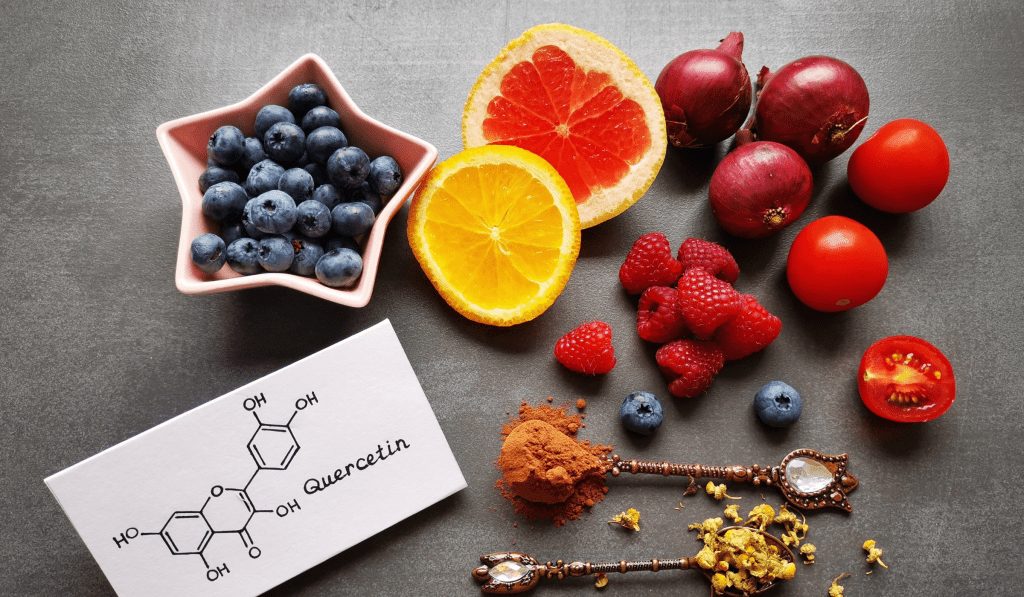
Quercetin is a natural flavonoid found in many fruits, vegetables, and grains. It is known for its antioxidant and anti-inflammatory properties, and has been studied for its potential health benefits, including its ability to support the immune system, reduce inflammation, and protect against certain chronic diseases. Quercetin is available in two main forms: quercetin dihydrate and quercetin. Both forms have their own unique characteristics and benefits, but which one is better? In this article, we will explore the differences between quercetin dihydrate and quercetin to determine which form may be more suitable for different health needs.
What is Quercetin?
Quercetin is a natural plant pigment and potent antioxidant flavonoid found in many fruits, vegetables, and grains, with high amounts in capers, red onions, kale, broccoli, berries, red grapes, and tea. It acts as a powerful anti-inflammatory and free radical scavenger, protecting cells from damage that leads to chronic diseases. As a flavonol, it is commonly used in dietary supplements to support immune health, reduce allergies, lower blood pressure, and improve heart health, while also offering neuroprotective properties.This substance has a bitter flavour and is useful in dietary supplements, beverages, and food as an ingredient.
What is Quercetin Dihydrate?
Quercetin dihydrate is the most common form of quercetin found in dietary supplements and natural sources. It is a water-soluble form of quercetin that contains two molecules of water for every molecule of quercetin. This form of quercetin is known for its high bioavailability, which means that it is easily absorbed and utilized by the body. Quercetin dihydrate is often used in supplements and functional foods due to its stability and ease of formulation.
One of the key advantages of quercetin dihydrate is its solubility in water, which allows for better absorption in the body. This makes it an ideal choice for individuals who prefer to take quercetin in liquid form or as a water-soluble supplement. Additionally, quercetin dihydrate is often used in formulations that require a stable and consistent release of the compound, such as in time-release supplements or functional beverages.
What’s the difference between quercetin and quercetin dihydrate?
First things first: almost all dietary supplements that contain quercetin are found in the dihydrate form, with the main defining characteristic between quercetin and dihydrate coming down to the stability and solubility.
Quercetin exists in either a hydrous or an anhydrous state, which just means with or without water. If a compound has a hydrate, it means it contains a water molecule. “Di” means “two,” so the dihydrate form contains two water molecules. These water molecules play an important role in how quercetin reacts in the body: namely, they allow quercetin to be more stable and soluble.
Quercetin dihydrate is considered a simple and inexpensive way to get more out of your quercetin. It’s so popular and commonplace that even labels and published studies won’t always specify dihydrate, opting to simply refer to the compound as quercetin.
So, in other words, if you’re supplementing, you’re more likely than not getting the superior quercetin dihydrate form and not the anhydrous quercetin. However, it’s important to note that even though quercetin dihydrate is more stable and soluble than anhydrous quercetin, it still lacks bioavailability.
Applications: What Is Quercetine Dihydrate VS Quercetin Used For?
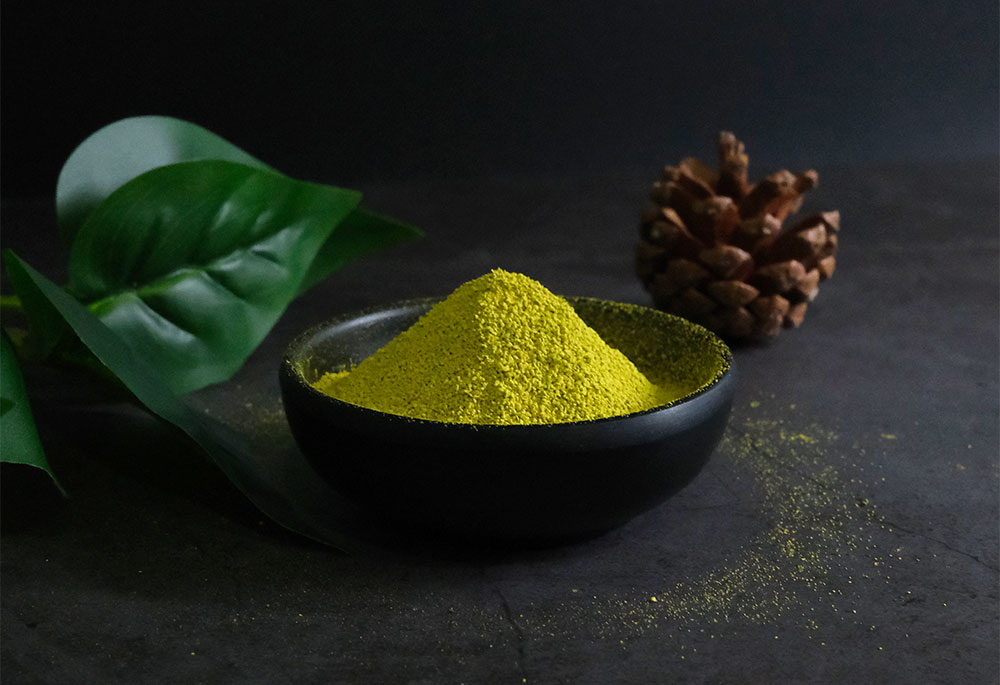
While both Quercetin Dihydrate and Quercetin (typically referring to the anhydrous form) are flavonoid compounds used for their antioxidant and anti-inflammatory benefits, their applications in the supplement industry vary slightly based on differences in physical properties, stability, and manufacturing cost. Both forms are widely used in immune support, cardiovascular health, allergy relief, and anti-inflammatory formulations, but each is favored in specific product types.
Common Applications of Quercetin Dihydrate
Quercetin Dihydrate is by far the most commonly used commercial form due to its cost-effectiveness, better powder stability, and ease of processing for tablets and capsules. It’s widely found in:
- Nutritional capsules and tablets (immune support, allergy relief)
- Antioxidant botanical blends (often paired with vitamin C, zinc, turmeric)
- Respiratory health supplements
Sports recovery products (for inflammation and vascular support)
The dihydrate form, which includes water molecules in its crystal structure, offers better flowability and manufacturing efficiency, making it especially popular among cost-sensitive brands and contract manufacturers focused on high-volume production.
Common Applications of Anhydrous Quercetin
Anhydrous Quercetin, which offers higher active compound purity (up to 98%), is less stable but often chosen for premium or specialized applications. It’s commonly used in:
- High-end nutritional supplements and functional foods
- Oral liquids, drink mixes, and instant powders (where higher bioavailability is desired)
- Precision-dosed formulations for clinical or therapeutic use
- Medical research and clinical trials
Premium brands may choose anhydrous Quercetin for its potency and combine it with liposomal delivery systems, microencapsulation, or solubility enhancers to boost absorption and achieve higher plasma concentrations.
What’s the best form of quercetin?
The best form of quercetin will be what best fits your health goals
We’ve already established that quercetin dihydrate is what’s found in most quercetin supplements. But is it the best form? That answer really depends on your needs.
One of the pitfalls of both quercetin dihydrate and anhydrous quercetin is that both lack the bioavailability you may want. Luckily, research has found ways to overcome this.
If you are looking for a more bioavailable formula, seek out quercetin supplements that contain a hydrogel coating for enhanced effects and increased bioavailability. When quercetin dihydrate is combined with a hydrogel made from seeds from the fenugreek plant it can better help deliver this nutrient to its target tissues in the body.
And the research backs it up. In a randomized clinical study, a blend of quercetin that contained a hydrogel coating led to serum levels of total quercetin up to 62 times higher than the quercetin without the hydrogel. This increased bioavailability is believed to allow quercetin to do a better job as an antioxidant and quench free radicals throughout the body.
But, as we mentioned, you should choose based on your individual needs. For example, some quercetin dihydrate formulas add other ingredients like vitamin C for additional immune support. But if you want the best of both worlds, you can combine classic quercetin dihydrate with the more bioavailable quercetin.
Conclusion
A comprehensive comparison of quercetin dihydrate and quercetin itself demonstrates that each form possesses unique advantages suitable for specific applications. While they share similar biological activity, the differences in their physicochemical properties significantly impact their performance in various formulations. Manufacturers and formulators should carefully weigh these factors between quercetin and quercetin dihydrate to develop products that maximize efficacy and stability.
Get in Touch
If you are considering sourcing high-quality raw materials, developing new products, customizing formulas, or have any other questions, please contact us!
We are ready to provide you with high-quality raw materials, personalized formula customization, private label solutions, or any other assistance to help you embark on your brand journey!