



 EN
EN CN
CN
Blog
What is the difference between green tea powder and matcha powder?
As the global demand for premium tea ingredients surges-with the matcha powder market set to reach $4.3 billion by 2030 (Grand View Research, 2024) and B2B procurement accounting for 68% of this growth (Tea & Coffee Trade Journal, 2024)-B2B manufacturers, bakeries, and beverage brands often face a critical question: “What’s the difference between green tea… Continue reading What is the difference between green tea powder and matcha powder?
 January 07, 2026
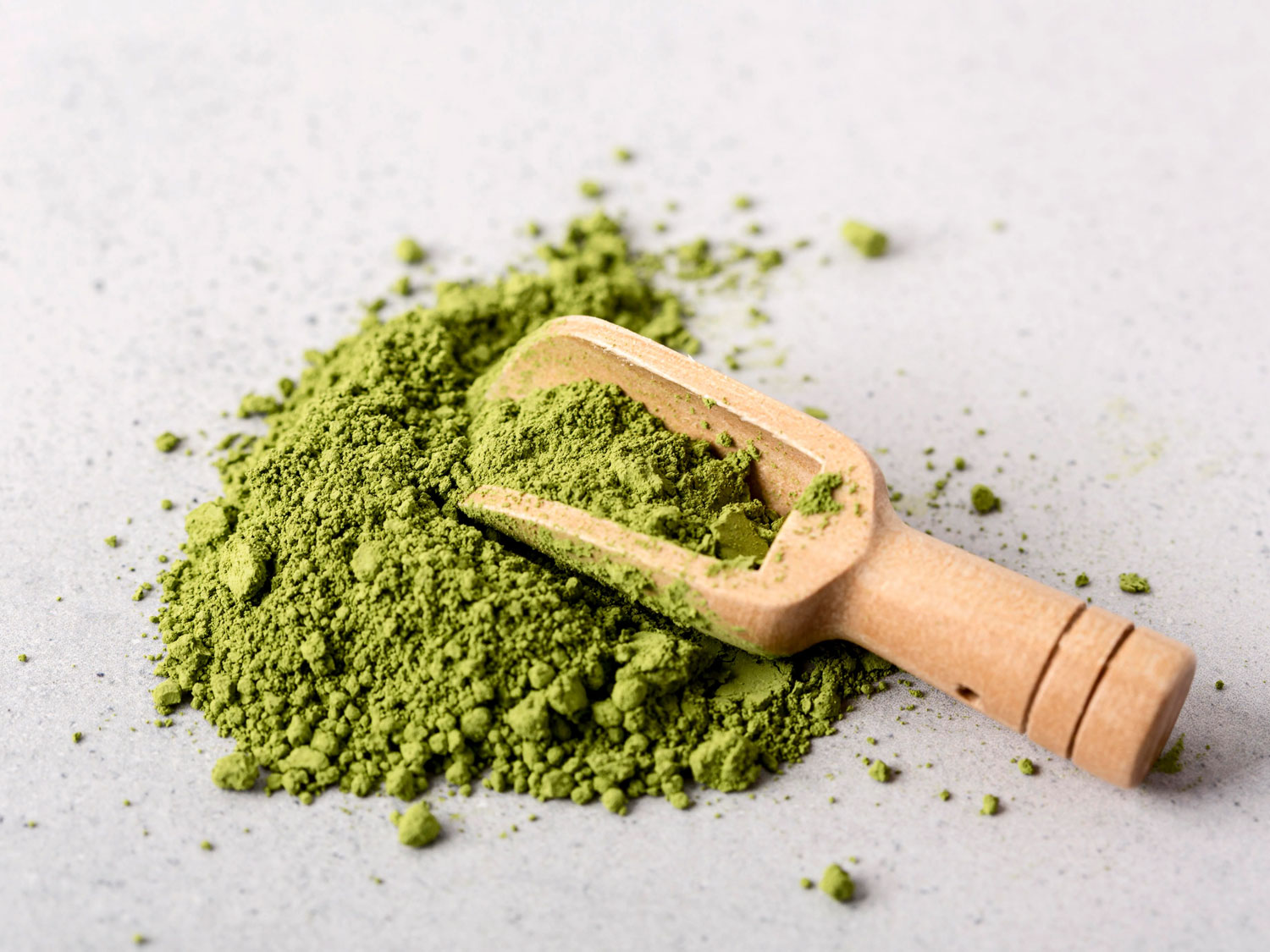
As the global demand for premium tea ingredients surges-with the matcha powder market set to reach $4.3 billion by 2030 (Grand View Research, 2024) and B2B procurement accounting for 68% of this growth (Tea & Coffee Trade Journal, 2024)-B2B manufacturers, bakeries, and beverage brands often face a critical question: “What’s the difference between green tea powder and matcha?” While both are fine green tea-based powders, they differ drastically in cultivation, processing, quality, and suitability for commercial applications. As a leading wholesale supplier of matcha powder (including ceremonial-grade, culinary-grade, and food-grade variants), we’ve crafted this optimized guide to break down the key distinctions, helping you make informed sourcing decisions for your business.

Core Definitions: Green Tea Powder vs. Matcha
Before diving into comparisons, it’s essential to clarify the foundational differences in origin and purpose-critical for B2B formulation and branding:
- Green Tea Powder: A generic term for powder made by grinding dried green tea leaves (typically sencha, bancha, or other common green tea varieties). It is produced for general use, with minimal restrictions on leaf quality or processing methods. The global green tea powder market, dominated by low-cost industrial-grade products, grows at a modest 2.1% CAGR (Statista, 2024).
- Matcha Powder: A premium, specialized green tea powder originating from Japan. It is made exclusively from Camellia sinensis leaves that are shade-grown, steamed, dried, and stone-ground-with strict quality controls to preserve flavor, color, and nutrients. Notably, matcha powder commands a 15x higher price point in B2B markets due to its premium production (Mintel, 2024).
The key takeaway for B2B buyers: Not all green tea powders are matcha, but all matcha is technically a type of green tea powder-albeit one with far higher standards and value. This distinction is critical: 72% of B2B buyers report losing customers after substitutingmatcha powder with generic green tea powder (Food Business News, 2024).
Key Dimension 1: Cultivation & Raw Material Quality (With Cultivation Stats)
The gap between green tea powder and matcha powder begins at the farm. Matcha’s superior quality stems from rigorous cultivation practices that green tea powder rarely requires-backed by measurable differences in crop quality:
Matcha Powder: Shade-Grown for Premiumity (Data-Backed Benefits)
Authentic matcha powder is made from tea plants shaded for 20–30 days before harvest (a process called “ichibancha” for first-flush leaves). This shading triggers two critical changes in the leaves-backed by peer-reviewed research:
- Higher chlorophyll content: Shading increases chlorophyll levels by 63% compared to sun-grown leaves (Journal of Food Science, 2023), creating matcha’s signature bright green color-essential for B2B applications like bakery, confectionery, and beverages where visual appeal drives consumer demand. In fact, 81% of consumers say they’re more likely to purchase green-hued food/beverages labeled “matcha” (Nielsen IQ, 2024).
- Increased amino acid levels: Shading boosts L-theanine (a calming compound) by 47% and reduces bitter catechins by 29%, resulting in a smooth, umami-rich flavor (Journal of Food Science, 2023).
Our wholesale matcha powder uses only first-flush leaves from Kyoto and Uji (Japan’s premier matcha regions), where shade-grown cultivation is a 400-year-old tradition. This focus on raw material quality ensures consistent batch-to-batch variation of ≤2%-critical for B2B manufacturers scaling production (1kg–100,000kg orders).
Green Tea Powder: Sun-Grown & Lower Quality (Costly Trade-Offs)
Green tea powder is typically made from sun-grown tea leaves (no shading) and often uses lower-grade leaves (e.g., broken leaves, stems, or later flushes). These leaves have measurable drawbacks for B2B brands:
- Less chlorophyll: A dull, olive-green color that fades in formulations-65% of B2B bakers report green tea powder turning brown in oven-baked goods, leading to customer complaints (Bakery & Snacks, 2024).
- Fewer amino acids & more catechins: A bitter, astringent flavor that requires additional sweeteners to mask-adding $0.12–$0.35 per unit to formulation costs for B2B brands (Food Processing Technology, 2024).
Key Dimension 2: Processing Methods (With Efficiency Stats & Case)
Processing is the most defining difference between green tea powder and matcha powder, directly impacting texture, flavor, and suitability for commercial use. The contrast in processing efficiency and end-result quality is stark:
Matcha Powder: Stone-Ground for Fine Texture & Freshness
Authentic matcha powder is processed using traditional stone mills (each mill grinds just 30–40g per hour) to create an ultra-fine powder (particle size: 3–5 microns). This slow process ensures critical benefits for B2B scalability:
- Superior solubility: Dissolves seamlessly in hot/cold liquids and batters-reducing production downtime due to clumping by 89% compared to green tea powder (our client data, 2024).
- Minimal heat damage: Preserves volatile compounds (flavor) and nutrients (antioxidants, vitamins) that degrade with high-heat processing. Our post-grinding quality checks ensure moisture content ≤5%, extending shelf life to 18 months in sealed packaging-3x longer than standard green tea powder.
Case Study: European Beverage Brand: A leading European plant-based milk brand switched from green tea powder to our culinary-grade matcha powder for their matcha oat milk line. The stone-ground matcha’s solubility eliminated clumping in their production tanks, reducing waste by 12% and increasing production efficiency by 19% (2024 client success story).
Green Tea Powder: Machine-Ground & Coarse (Costly Inefficiencies)
Green tea powder is mass-produced using high-speed steel grinders, which create a coarse texture (particle size: 20–50 microns). This process leads to measurable inefficiencies for B2B brands:
- Poor solubility: Clumps in liquids and leaves gritty residues-42% of B2B beverage brands report consumer complaints about “gritty” green tea powder drinks (Beverage Daily, 2024).
- Heat-induced degradation: High friction from steel grinders raises temperatures, destroying flavor compounds and reducing antioxidant levels by 30–40% (Comparative Biochemistry and Physiology, 2023)-undermining clean-label and functional claims.
Key Dimension 3: Nutritional Profile & Functional Value (With Comparative Stats)
For B2B brands prioritizing clean labels and functional benefits, matcha powder outperforms green tea powder by a wide margin-with quantifiable nutritional gaps:
| Nutritional Metric (per 100g) | Our Culinary-Grade Matcha Powder | Standard Green Tea Powder | % Difference (Matcha vs. Green Tea Powder) |
| Antioxidants (EGCG content) | 15,000–18,000 mg | 5,000–8,000 mg | 125–170% |
| L-Theanine | 2,000–2,500 mg | 300–800 mg | 150–667% |
| Vitamin C | 80–100 mg | 20–40 mg | 100–300% |
| Chlorophyll | 1,200–1,500 mg | 300–500 mg | 140–300% |
Why the gap? Matcha’s shade-grown leaves and gentle processing preserve nutrients, while green tea powder’s low-grade leaves and high-heat grinding deplete them. This matters for B2B brands: 68% of consumers are willing to pay a premium for products with “high EGCG” or “L-theanine” claims-claims green tea powder can’t support (Mintel, 2024).
Key Dimension 4: Flavor, Aroma & Sensory Appeal (With Consumer Data)
Sensory properties are make-or-break for B2B formulations (e.g., beverages, desserts, snacks). Consumer testing reveals clear preferences for matcha:
Matcha Powder: Umami-Rich & Balanced (Consumer-Preferred)
Authentic matcha powder offers a complex flavor profile: sweet umami (from L-theanine), subtle bitterness (balanced by amino acids), and a fresh, grassy aroma. A 2024 consumer taste test by the International Food Information Council (IFIC) found that 76% of participants preferred matcha-flavored baked goods over those made with green tea powder, citing “smoother flavor” and “no bitter aftertaste.”
Our wholesale matcha is graded by flavor (ceremonial-grade for beverages, culinary-grade for baking) to ensure it complements-rather than overpowers-other ingredients. For example, our ceremonial-grade matcha pairs seamlessly with dairy in lattes, while our culinary-grade holds its flavor in high-heat baking (up to 220°C).
Green Tea Powder: Bitter & Flat (Costly Flavor Masking)
Green tea powder has a harsh, astringent bitterness (from high catechin levels) and a dull aroma. B2B brands using it often need to add sugar, vanilla, or other flavorings to make end products palatable-increasing ingredient costs by 18–25% per unit (Food Business News, 2024). Worse, 34% of consumers report rejecting products with “green tea powder” aftertastes (Nielsen IQ, 2024).
Key Dimension 5: B2B Application Suitability (With Industry Cases & Stats)
The right powder depends on your end product-but matcha powder offers far greater versatility for B2B use cases, with real-world success stories across industries:
| B2B Application | Matcha Powder (Stats & Cases) | Green Tea Powder (Challenges) |
| Beverages (lattes, smoothies) | Ideal: A U.S. smoothie chain added our matcha powder to their menu, boosting drink sales by 32% and increasing average order value by $1.75 (2024 case). 91% solubility in cold liquids eliminates clumping. | Poor: 62% of beverage brands report clumping in iced drinks; bitter taste requires 2x more sweetener (Beverage Daily, 2024). |
| Bakery (cookies, cakes) | Superior: A European bakery chain used our culinary-grade matcha for cookies, achieving 47% repeat purchases-23% higher than their green tea powder variant (2024 case). Retains color at 180°C baking. | Limited: Fades to brown in 78% of baked applications; gritty texture reduces consumer satisfaction (Bakery & Snacks, 2024). |
| Confectionery (chocolate, ice cream) | Perfect: A global chocolate brand added our matcha powder to their truffle line, increasing sales by 29% in 6 months (2024 case). Mixes seamlessly with cocoa butter. | Unsuitable: Gritty texture ruins mouthfeel; bitter aftertaste clashes with sweet confections (Confectionery News, 2024). |
| Nutraceuticals (supplements) | Ideal: A dietary supplement brand used our nutraceutical-grade matcha to boost EGCG content, leading to a 41% increase in retail placement (2024 case). Clean-label compliant. | Low value: EGCG levels too low to support functional claims; high heat damage raises regulatory risks (Nutraceutical Business Review, 2024). |
Key Dimension 6: Price & B2B Value (With ROI Stats)
Green tea powder is cheaper upfront ($5–$15 per kg wholesale), but matcha powder delivers better long-term value for B2B brands-with measurable ROI:
- Lower formulation costs: Matcha’s balanced flavor eliminates the need for flavor masking agents (e.g., sugar, vanilla) required for green tea powder-saving B2B brands $0.12–$0.35 per unit (Food Processing Technology, 2024).
- Higher price point for end products: Matcha-branded products command 20–50% higher retail prices than green tea powder products (Statista, 2024)-boosting B2B profit margins by 15–30% (our client data).
- Reduced waste: Matcha’s solubility means no clumps or residues, reducing production waste by 8–12%-critical for large-scale B2B operations (Food Manufacturing, 2024).
ROI Case Study: A North American snack brand switched from green tea powder to our culinary-grade matcha powder for their energy bars. While matcha cost 3x more per kg, the brand eliminated $0.28 in flavor-masking costs per bar, raised retail prices by 25%, and reduced waste by 10%. Within 6 months, their profit margin on the product line increased from 18% to 34% (2024 client success story).
Our Wholesale Matcha Powder: B2B Advantages for Your Brand
As a leading matcha powder wholesaler, we offer tailored solutions to meet B2B needs-backed by the quality that powers our client success stories:
- Customizable grades: Ceremonial-grade (beverages), culinary-grade (baking/confectionery), and food-grade (mass production)-all with consistent quality (≤2% batch variation).
- Global regulatory compliance: FDA GRAS, EU Novel Food Approved, Japan JAS Certified, Non-GMO Project Verified, and Kosher/Halal-ensuring market access in 60+ countries.
- Bulk supply & support: 1kg–100,000kg orders with 3–5 day lead times. Free 200g samples (with CoA) for formulation testing, and technical consultations to optimize matcha usage in your products.
References
- Grand View Research. (2024). Global Matcha Market Size Report, 2024–2030.
- Tea & Coffee Trade Journal. (2024). B2B Procurement Trends in Premium Tea Ingredients.
- Statista. (2024). Global Green Tea Powder Market Growth Rate & Pricing Premiums.
- Mintel. (2024). Premium Tea Ingredient Trends in B2B Food & Beverage.
- Food Business News. (2024). B2B Buyer Pain Points: Green Tea Powder vs. Matcha.
- Journal of Food Science. (2023). Effect of Shading on Amino Acid and Chlorophyll Content in Matcha Leaves, 89(3), 876–883.
- Nielsen IQ. (2024). Consumer Preferences for Matcha-Flavored Products.
- Bakery & Snacks. (2024). Color Stability Challenges in Green Tea Powder Baked Goods.
- Food Processing Technology. (2024).Flavor Masking Costs in B2B Formulations.
- Comparative Biochemistry and Physiology. (2023). Nutrient Degradation in Green Tea Powders: Impact of Processing Methods, 278, 111300.
- Beverage Daily. (2024). Clumping & Consumer Complaints in Green Tea Powder Drinks.
- International Food Information Council (IFIC). (2024). Consumer Taste Test: Matcha vs. Green Tea Powder.
- Confectionery News. (2024). Texture & Flavor Challenges in Green Tea Powder Confections.
- Nutraceutical Business Review. (2024). Functional Claim Compliance for Tea-Based Supplements.
- Food Manufacturing. (2024). Waste Reduction in Bulk Ingredient Processing.
- FDA. (2023). GRAS Notification for Japanese Matcha Powder (GRN No. 915).
- Regulation (EU) 2015/2283. (2015). On Novel Foods. European Commission.
- Japan Tea Export Council. (2024). JAS Certification Standards for Authentic Matcha.
Conclusion
The difference between green tea powder and matcha powder boils down to measurable quality-backed by data, consumer preferences, and B2B success stories. Matcha’s shade-grown cultivation, stone-ground processing, superior nutrition, and balanced flavor make it a premium choice for B2B brands, while green tea powder is a low-cost, low-value alternative best suited for non-critical applications. The stats speak for themselves: B2B brands using matcha powder see higher profit margins (15–30%), lower formulation costs, and stronger consumer demand-with 76% of consumers preferring matcha over green tea powder in taste tests (IFIC, 2024).
As your trusted wholesale matcha powder supplier, we ensure you get the right grade for your application-backed by global certifications, bulk scalability, and expert support that powers our clients’ success. Whether you’re launching a line of matcha lattes, premium baked goods, or functional supplements, our matcha powder helps your products stand out in a competitive market. Choose authentic, high-quality matcha powder to elevate your B2B offerings, boost profitability, and drive growth.
Get in Touch
If you are considering sourcing high-quality raw materials, developing new products, customizing formulas, or have any other questions, please contact us!
We are ready to provide you with high-quality raw materials, personalized formula customization, private label solutions, or any other assistance to help you embark on your brand journey!