



 EN
EN CN
CN
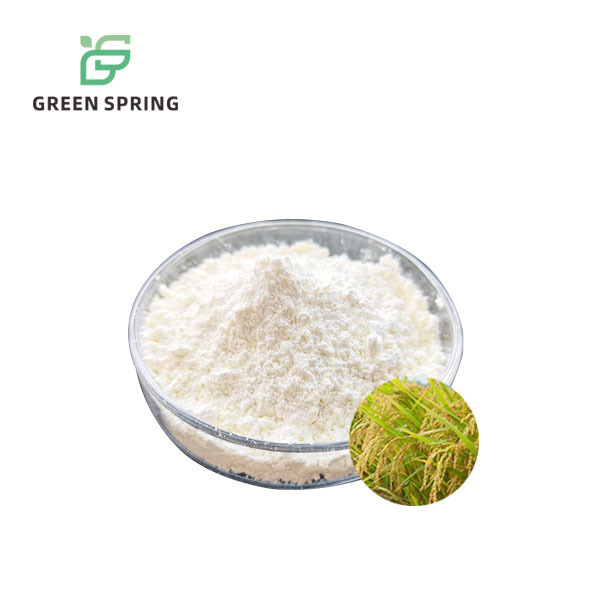
Ceramide Powder
Product Name: Ceramide Powder
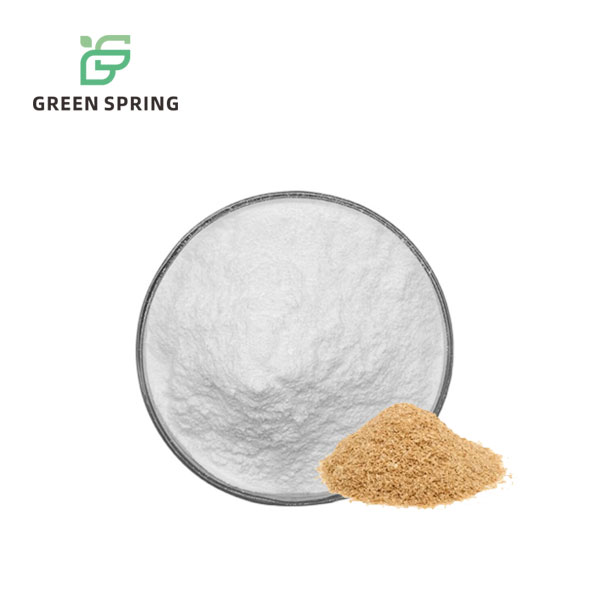
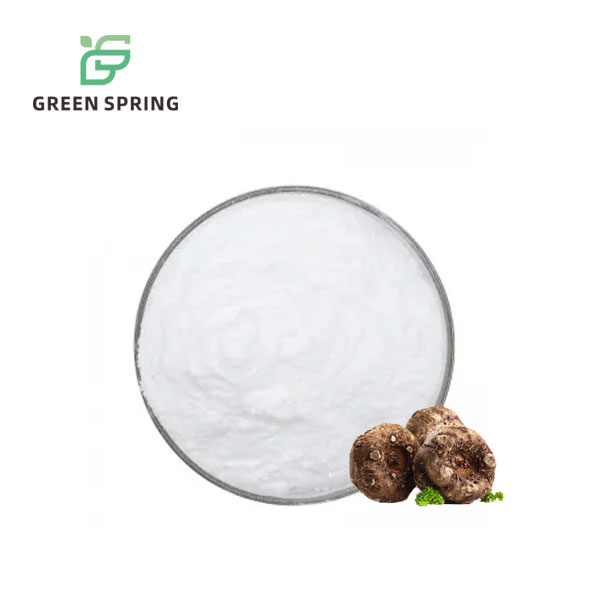
Extraction Source: Rice Bran or Konjac
Specifications: Natural ceramides 1%,3%,5%,10% (rice bran extract/Konjac extract), synthetic ceramides 98%
Appearance: Pale yellow to white powder
CAS: 100403-19-8
Test Method: HPLC
Grade:Food Garde/Cosmetic grade
Sample:10-50g Sample For free
MOQ:1kg
Certificate: ISO22000, FDA,BRC,COSMOS,IFS,SGS,Kosher, Halal, Organic(EU), USDA, HACCP, ISO9001
OEM Service: Private label and customized packaging available,OEM customized capsules and tablet.
Shelf life:2 year,Available InBulk, Private Label/OEM, Individually Packaged Goods
Product Description
What Is Ceramides?
Ceramides are a family of waxy lipid molecules naturally found in the outermost layer of your skin – the stratum corneum. Think of them as the ‘mortar’ holding together the ‘bricks’ – your skin cells.
Together with cholesterol and fatty acids, they form a protective barrier that helps lock in moisture and keep out environmental stressors.
Ceramides are a type of lipid,which comprise around 50% of the intercellular stratum corneum lipids. Without them, the skin becomes more prone to dehydration, irritation, and external aggressors like pollutants, allergens, and microbes.
But here’s the thing: ceramide levels decline as we age. They’re also impacted by harsh weather, UV radiation, over-exfoliation, and skin conditions like eczema, psoriasis, and rosacea.
The skin’s ceramide content can change (both in terms of quality and quantity) when we are dehydrated and as we get older. Ceramides are therefore used in skincare products to help the skin stay and look healthy.
Common types of ceramides include:
- Ceramide NP (formerly Ceramide 3): Ceramide NP is the most abundant ceramide found in healthy skin and is widely used in skincare formulations for barrier repair and moisture retention.
- Ceramide AP & EOP: Ceramide AP and EOP provide additional skin barrier-strengthening properties and help support the lipid matrix.
- Synthetic or bioengineered ceramides: Synthetic or bioengineered ceramides are designed to mimic natural skin lipids, offering consistent quality and enhanced bioavailability (meaning they’re compatible with the skin).
Ceramide Powder Specification
| Product Name | Ceramide Powder |
| Extraction Source | Rice Bran or Konjac |
| Specification | Natural ceramides 1%,3%,5%,10% (rice bran extract/Konjac extract), synthetic ceramides 98% |
| Appearance | Pale yellow to white powder |
| CAS No. | 100403-19-8 |
| Test Method | HPLC |
| Grade | Food Garde/Cosmetic grade |
| COA | Avaialble |
| Certificate | ISO22000, FDA,BRC,COSMOS,IFS,SGS,Kosher, Halal, Organic(EU), USDA, HACCP, ISO9001 |
| Quality | Non-GMO, Non-irradiation, Allergen Free, BSE/TSE Free |
| Sample | 10-50g Sample For free |
| MOQ | 1kg |
| OEM Service | Private label and Customized package,OEM customized capsules and tablet. |
| Packaging | 1-5kg/25kg(aluminum foil bag/carton/cardboard drum) |
| Shelf life | 2 year.Available for bulk wholesale, Individually packaged. |
| Note: Raw Material for production, not for personal sale. | |
Where do Ceramides come from?
Natural ceramides comprise approximately 50% of the lipids in your skin’s outermost layer. Think of them as the glue, or biochemical seal, that holds your skin cells together. This creates a bond that prevents water loss and protects against outside elements to keep your skin plump and healthy.
You can find natural and synthetic ceramides in skincare. Natural ceramides are found in human skin, animal skin and certain plant sources, including wheat germ, rice bran and konjac (a root vegetable). Both natural and synthetic ceramides offer skin benefits. One study found that rice-derived ceramides reduced water loss by 23% and increased skin moisture by 141% when used topically for three weeks.
While plants and animals are good sources of ceramides, synthetic ceramides are easier and less expensive to make. Synthetic ceramides are more stable. So, most of the ceramides you’ll find in skincare products are created through chemical reactions resembling natural synthesis.
Natural vs. Synthetic Ceramides: What’s the Difference?
Ceramides used in skin care can be natural or synthetic, and both types are effective.
Here are some of their differences.
- Natural Ceramides
Natural ceramides come from plants or animals and mimic the skin’s natural lipids.
They work well with the skin’s biology and help restore ceramide levels imbalances caused by aging or environmental factors. This makes them effective in replenishing natural moisturizing systems.
Natural ceramides are also often found in products marketed as “organic” or “plant-based.” They are great for those who prefer natural ingredients in their skin care routine.
- Synthetic Ceramides
Synthetic ceramides are made in labs for consistency and stability. They are designed to mimic the essential ceramides naturally found in the skin, helping with skin hydration and barrier function repair.
This type of ceramide is common in many skin moisturizer products due to its stability.
They also deliver reliable results and are often included in clinical skin care products designed to repair skin barrier function.
Benefits of ceramides on skin
- Protects against UV damage
Exposure to sunlight and UV rays is responsible for 90% of the visible skin changes such as wrinkles, fine lines, and pigmentary changes. Dermatologists refer to this as photoaging, and it is the direct result of cumulative sun damage over a lifetime.
A 2021 study found that using ceramide-containing moisturizers and sunscreens can protect the skin against UV damage to the skin barrier. In addition, the products seemed to improve skin hydration, help maintain normal cell turnover, and combat redness and hyperpigmentation.
- Boosts hydration
Ceramides can lock in moisture and boost hydration. When skin is dehydrated, it can become rough, and cracks can develop.
When the skin’s barrier becomes compromised, it can lead to transepidermal epidermal water loss (TEWL). This water loss refers to the amount of water that passes through the epidermis, a layer in the skin, and evaporates on the skin’s surface. As a result of TEWL, the skin may then become dry and inflamed with an increased risk of developing inflammatory conditions such as psoriasis, acne, and eczema.
Research shows that ceramide cream can significantly decrease TEWL, which, in turn, boosts skin hydration and improves barrier function.
Some studiesTrusted Source also suggest that using ceramide moisturizers in conjunction with acne treatment can help combat the dry skin and irritation these treatments cause.
Increasing hydration also helps soften and smoothen the skin, which improves its overall look and feel.
- Rejuvenates aging skin
As people age, their skin changes as it loses structural proteins, such as collagen, elastin, and keratin. This, and the other processes involved in the degradation of the skin barrier, leads to thinner skin and visible signs of aging such as wrinkles, lines, and sagging.
Ceramides haveTrusted Source water-retaining properties that prevent moisture loss from the skin. Hydrated skin can help minimize the appearance of fine lines and wrinkles, which are often more visible when the skin is dry.
Ceramide creams can also stimulate the production of keratinocytes, which make keratin. The increase of keratin helps rejuvenate the skin barrier and reduce signs of aging.
- Maintains skin barrier
The natural aging process and the overuse of harsh soaps or exfoliants can lead to ceramide loss in the skin.
When ceramide levels decline, the stratum corneum or protective outer barrier of the skin becomes compromised, and tiny cracks can form. This breakdown in the skin barrier can make it easier for infection and skin inflammation to occur.
Replenishing lost ceramides keeps the skin barrier healthy and functioning as it should.
What are the uses of Ceramides?
Ceramides’ photoprotective and moisture-replenishing benefits make them key in anti-aging skincare formulas. One study showed that a single application of a ceramide-rich moisturizer increased skin hydration, reduced transepidermal water loss and improved skin pH for up to 24 hours. These effects were even more significant after 28 days, showing a significant decrease in wrinkles and uneven texture.
Ceramides are added to haircare products like shampoos and conditioners, too. Naturally found in your hair cuticles — the outermost layer that protects the hair shaft — ceramide hair products help protect your scalp and hair from damage and repair damaged hair fibers.
Why Choose Our Ceramide Powder?
- Multiple Specifications Available
We supply both natural and synthetic ceramides, offering a variety of extraction sources and 98% high purity, ensuring stability and long-lasting effectiveness.
- Advanced Technology
Compared to traditional synthesis methods, modern technology utilizes enzyme catalysis to achieve targeted synthesis of ceramides, shortening reaction cycles and reducing byproduct formation. A 99% purity level makes our raw materials more competitive in high-end formulations.
- Quality Assurance
Our ceramides undergo rigorous testing, including purity, moisture content, and stability testing. We also conduct skin compatibility testing to ensure they are suitable for sensitive skin.
Ceramide Powder High-quality Supplier And Manufacturer
Green Spring is a professional cosmetic ingredient supplier with a dedicated R&D team focused on discovering, refining, and testing the various components needed for finished cosmetic products. The company boasts an independent R&D center that meets international standards and has a team with 26 years of R&D experience.
We offer a wide variety of active and functional cosmetic ingredients, all of which have undergone rigorous scientific testing to verify their efficacy and ensure purity and effectiveness, helping companies build brands and develop market strategies.
Leveraging our extensive cosmetic knowledge and strong scientific capabilities, we continuously introduce innovative ingredients to ensure consistent product efficacy. Our ingredients offer antibacterial, antipruritic, moisturizing, anti-allergic, whitening, spot-removing, sun-protective, and anti-inflammatory benefits.
How to buy Ceramide Powder?
Just send an email to sales@greenspringbio.com, or submit your needs in the form at the bottom, we are always at your service!
How to buy our products?
Just send email to sales@greenspringbio.com, or submit your requirement in bottom form, we are of service at any time!
Related Products
If you have any questions?
Let's get in touch!
If you have any questions, please contact our experts.We are always ready to help you with individual formulations, private label solutions or any other requirements to kick-start your brand!
Get in Touch
If you are considering sourcing high-quality raw materials, developing new products, customizing formulas, or have any other questions, please contact us!
We are ready to provide you with high-quality raw materials, personalized formula customization, private label solutions, or any other assistance to help you embark on your brand journey!
