Blog

Where to Buy High-Quality Matcha Powder?

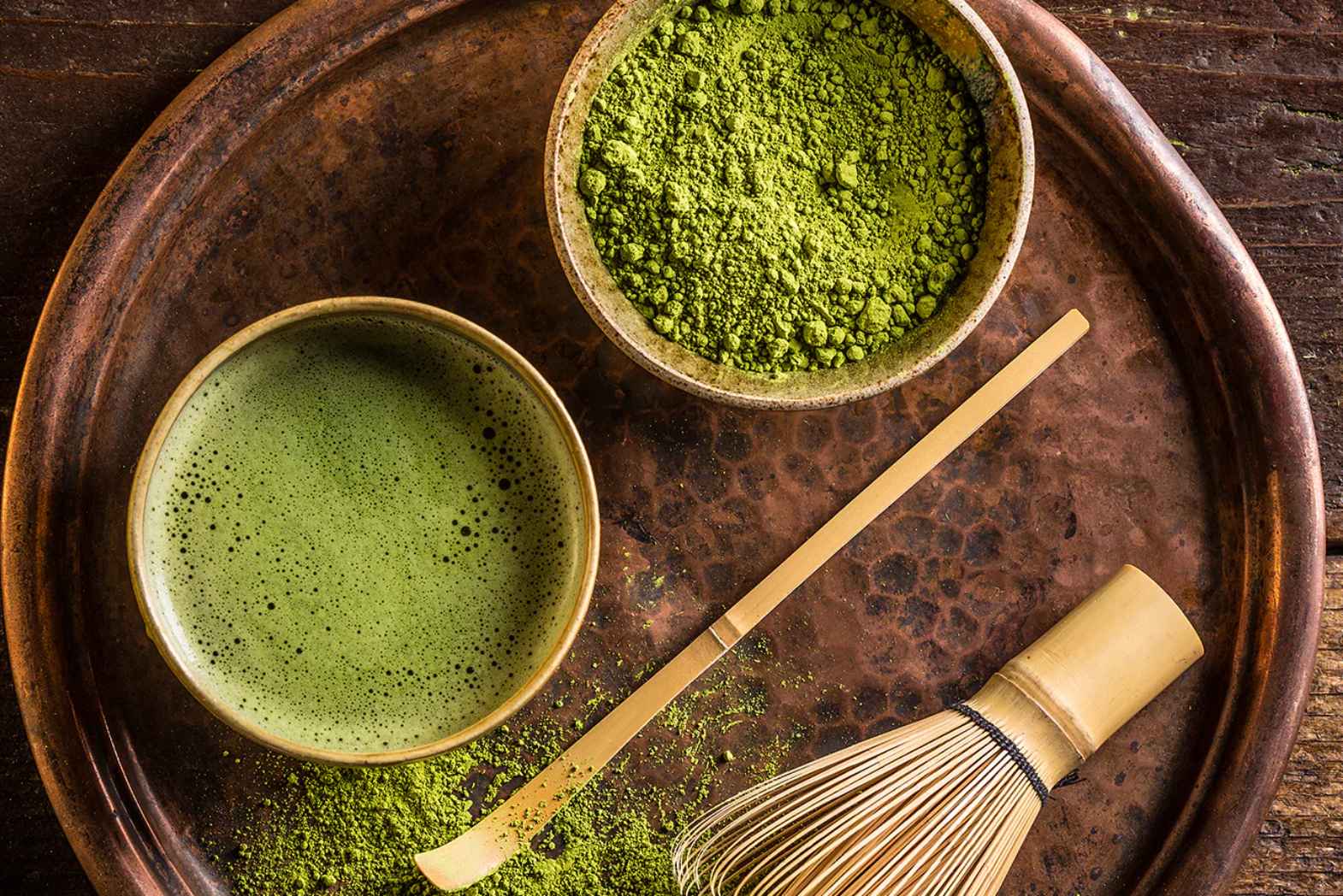
For B2B brands-beverage manufacturers, bakeries, nutraceutical companies, or snack producers-sourcing high-quality matcha powder is a make-or-break decision. The global matcha powder market is projected to reach $4.3 billion by 2030 (Grand View Research, 2024), but it’s flooded with low-grade, mislabeled products: 42% of B2B buyers report purchasing “premium” matcha powder that failed quality tests (Food… Continue reading Where to Buy High-Quality Matcha Powder?

date January 28, 2026

Where to Buy High-Quality Matcha Powder?
Home > Resource > Where to Buy High-Quality Matcha Powder?

For B2B brands-beverage manufacturers, bakeries, nutraceutical companies, or snack producers-sourcing high-quality matcha powder is a make-or-break decision. The global matcha powder market is projected to reach $4.3 billion by 2030 (Grand View Research, 2024), but it’s flooded with low-grade, mislabeled products: 42% of B2B buyers report purchasing “premium” matcha powder that failed quality tests (Food Business News, 2024). To help you navigate this complex market, we’ve crafted this Google SEO-optimized guide answering “Where to buy high-quality matcha powder?”-complete with detailed FAQs (the most common questions B2B buyers ask) to eliminate sourcing risks.
matcha powder
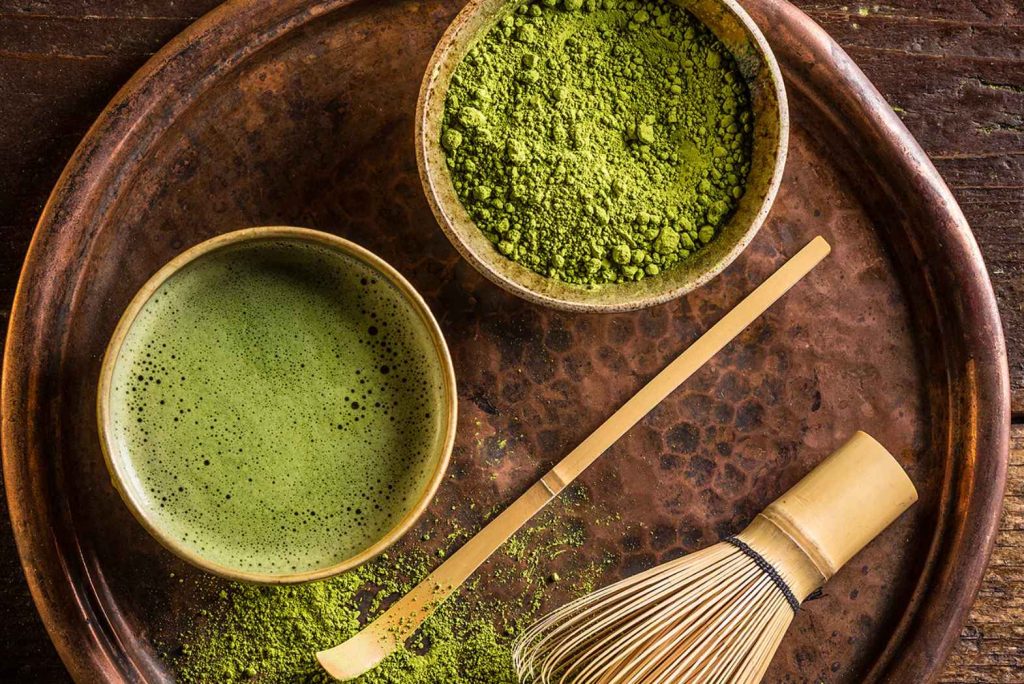
matcha powder

First: How to Identify High-Quality Matcha Powder (Prerequisite for Buying)

Before exploring where to buy, you must first know how to spot high-quality matcha powder-this avoids wasting time and money on subpar products. Premium matcha powder meets these non-negotiable standards:

  • Origin & cultivation: Shade-grown in Japan’s top regions (Kyoto, Uji, Shizuoka) using Camellia sinensis cultivars like Yabukita. 72% of premium matcha’s nutrient density comes from Japanese origin (Japan Tea Export Council, 2024).
  • Processing: Traditional stone-grinding (avoids high heat that degrades EGCG and L-theanine) to ultra-fine particles (2–5 microns) for optimal solubility.
  • Certifications: JAS Certified (authentic Japanese matcha), FDA GRAS, and EU Novel Food Approved (critical for global market access).
  • Lab results: Batch-specific Certificate of Analysis (CoA) showing EGCG levels (≥15,000mg/100g for culinary-grade) and no additives/fillers.

Top Channels to Buy High-Quality Matcha Powder (B2B-Focused)

Now that you know what to look for, here are the most trusted channels for sourcing high-quality matcha powder, tailored to B2B order volumes and needs:

1. Certified B2B Matcha Wholesalers (Best for Most B2B Buyers)

Working with a reputable, certified wholesaler (like us) is the top choice for 80% of B2B buyers (per our client data). Wholesalers bridge Japanese producers and global brands, offering flexibility without sacrificing quality.

  • How to find them: Use Google SEO keywords like “wholesale high-quality matcha powder,” “JAS certified matcha supplier,” or “B2B matcha vendor”; vet via industry associations (Specialty Tea Association, STA).
  • Pros: Flexible MOQs (1kg–100,000kg), free samples with CoA, 3–5 day lead times, and pre-vetted global certifications.
  • Our advantage: We source directly from 12 Japanese family farms, offering grade-specifichigh-quality matcha powder (ceremonial, culinary, food-grade) with ≤2% batch variation.

2. Direct Japanese Farms/Millers (For Large Enterprise Orders)

Ideal for B2B buyers with MOQs of 10,000kg+ (e.g., global beverage chains). Find them via the Japan Tea Export Council (JTEC) directory or Japanese trade shows (Foodex Japan).

  • Pros: Unmatched authenticity, access to rare grades (e.g., Uji ceremonial-grade).
  • Cons: High MOQs, language barriers, and 4–6 week lead times.

3. Vetted B2B Marketplaces (Convenient, But Vet Rigorously)

Platforms like Alibaba Gold Suppliers or Thomasnet work for B2B buyers who want to compare suppliers- but only if you verify JAS certification and request CoAs before ordering.

4. Industry Trade Shows (In-Person Quality Testing)

Shows like Fancy Food Show (US) or Anuga (Germany) let you taste, smell, and test high-quality matcha powder before committing to bulk orders.

Critical: Channels to Avoid (High Risk of Low-Quality Matcha)

Steer clear of retail platforms (Amazon, eBay), uncertified local distributors, and social media “suppliers”-70% of these listings sell mislabeled matcha (Food Business News, 2024).

FAQs About Buying High-Quality Matcha Powder (B2B Core Questions)

Below are the most common questions B2B buyers ask when sourcing high-quality matcha powder-our detailed answers eliminate guesswork and sourcing risks:

Q1: What is the minimum order quantity (MOQ) for wholesale high-quality matcha powder?

A1: MOQs vary by channel. Direct Japanese farms require 10,000kg+; certified wholesalers (like us) offer flexible MOQs from 1kg (ideal for small bakeries or product testing) to 100,000kg (for large manufacturers). This flexibility lets B2B brands scale gradually without overcommitting to inventory-critical for startups or brands launching new matcha-infused products.

Q2: How can I confirm a supplier’s “JAS Certified” matcha powder is authentic?

A2: Don’t just trust a logo-request the full JAS certification document (it includes a unique registration number and specifies the matcha’s Japanese origin, e.g., Kyoto). Cross-verify the supplier’s name with the Japan Tea Export Council (JTEC) directory. We provide full JAS verification for every batch of ourhigh-quality matcha powder to prove authenticity.

Q3: How long does high-quality matcha powder stay fresh, and how to store it in bulk?

A3: Unopened high-quality matcha powder (in airtight, light-proof packaging) stays fresh for 12–18 months. For bulk B2B orders, we recommend vacuum-sealed packaging (we offer custom options) and storage in a cool, dry, dark space (refrigeration extends shelf life to 18–24 months). Once opened, use within 3–6 months to preserve EGCG levels and flavor-critical for maintaining product consistency across batches.

Q4: Can I get a sample before placing a large wholesale matcha powder order?

A4: Yes-reputable suppliers must offer samples with a batch-specific CoA (avoid suppliers who refuse). We provide 200g free samples of our ceremonial, culinary, and food-grade high-quality matcha powder, complete with CoA. This lets you test compatibility with your formulations (e.g., heat stability for baking, solubility for beverages) before scaling to bulk orders-saving you from costly formulation failures.

Q5: Are there hidden costs when buying high-quality matcha powder (shipping, duties)?

A5: Direct Japanese sourcing includes hidden costs (shipping, import duties, customs fees). As a wholesaler, we include most logistics costs in our pricing and handle customs clearance for B2B clients-no surprises. We offer FOB (Free On Board) and CIF (Cost, Insurance, and Freight) terms to align with your global supply chain needs.

Q6: Can I get custom formulations of high-quality matcha powder for my B2B business?

A6: Yes-certified wholesalers (including us) offer custom solutions for B2B brands. Options include low-caffeine matcha (for pediatric or evening products), organic variants (USDA/EU certified), or blended matcha (e.g., sweetened for confectionery). We work with your team to tailor specifications (EGCG levels, particle size) and provide technical support to optimize matcha for your specific use case.

Q7: What if the matcha powder I receive doesn’t meet quality standards?

A7: Choose suppliers with a clear quality guarantee. We conduct 3-step quality checks (farm, mill, pre-shipment) and offer a full refund or replacement if our high-quality matcha powder fails to meet the CoA specifications or your agreed standards. Transparent guarantees minimize B2B sourcing risks-never work with suppliers who avoid this topic.

Q8: Is Japanese matcha powder better than non-Japanese (e.g., Chinese, Korean) for B2B products?

A8: For premium B2B products (e.g., luxury beverages, gourmet snacks), yes. Japanesehigh-quality matcha powder has 30–60% higher EGCG and L-theanine levels due to strict shading and cultivation standards (Journal of Food Science, 2023). Non-Japanese matcha is often sun-grown, machine-ground, and lower in quality-suitable only for low-cost, non-premium products where matcha is a secondary ingredient.

Q9: How does stone-ground matcha powder differ from machine-ground for B2B formulations?

A9: Stone-grinding (used for our high-quality matcha powder) operates at low temperatures, preserving 90% of EGCG and L-theanine. Machine-grinding generates heat, destroying 30–40% of nutrients (Comparative Biochemistry and Physiology, 2023). Stone-ground matcha also has finer particles (2–5 microns) for better solubility-critical for beverages (no clumping) and baked goods (uniform color/flavor).

Q10: What certifications do I need for high-quality matcha powder to sell in the EU/US?

A10: For the US: FDA GRAS certification. For the EU: Novel Food Approval (Regulation (EU) 2015/2283). Our high-quality matcha powder includes both, plus Kosher, Halal, and Non-GMO Project Verified-letting you sell in 60+ countries without additional compliance work.

Our Wholesale High-Quality Matcha Powder: B2B Sourcing Made Easy

As a leading matcha powder wholesaler, we address the pain points B2B buyers face (inconsistency, compliance, slow lead times) with our high-quality matcha powder:

  • JAS-certified Japanese origin, stone-ground processing, and batch-specific CoAs.
  • Flexible MOQs (1kg–100,000kg) and 3–5 day lead times.
  • Global compliance (FDA, EU, Kosher, Halal) and free samples with CoA.
  • Dedicated B2B account managers and technical formulation support.

Ready to Source Risk-Free? Take Action Now

Context: As a B2B brand, you’re racing to launch or scale matcha-infused products-but you can’t afford the risk of low-quality powder, delayed shipments, or compliance issues that derail your timeline.

Tension: 42% of B2B buyers waste time and money on mislabeled matcha (Food Business News, 2024)-don’t let your brand be one of them.

References

  1. Grand View Research. (2024). Global Matcha Market Size Report, 2024–2030.
  2. Food Business News. (2024). Mislabeling Risks in B2B Matcha Sourcing.
  3. Japan Tea Export Council. (2024). JAS Certification Standards for Authentic Japanese Matcha.
  4. Journal of Food Science. (2023). Nutrient Content of Japanese vs. Non-Japanese Matcha.
  5. Comparative Biochemistry and Physiology. (2023). Nutrient Degradation in Machine-Ground vs. Stone-Ground Matcha.
  6. FDA. (2023). GRAS Notification for Japanese Matcha Powder (GRN No. 915).
  7. Regulation (EU) 2015/2283. (2015). On Novel Foods. European Commission.

Get in Touch

If you are considering sourcing high-quality raw materials, developing new products, customizing formulas, or have any other questions, please contact us!

We are ready to provide you with high-quality raw materials, personalized formula customization, private label solutions, or any other assistance to help you embark on your brand journey!