



 EN
EN CN
CN
Blog
Natural food color powders
Natural food color powders are not just about adding color to your meals; they’re packed with nutrients too. Made from fruits, vegetables, and herbs, these powders offer a healthy alternative to artificial food coloring. From beetroot to turmeric, each powder comes with its own health benefits. What are Natural Food Color Powders? Natural food color… Continue reading Natural food color powders
 August 18, 2026
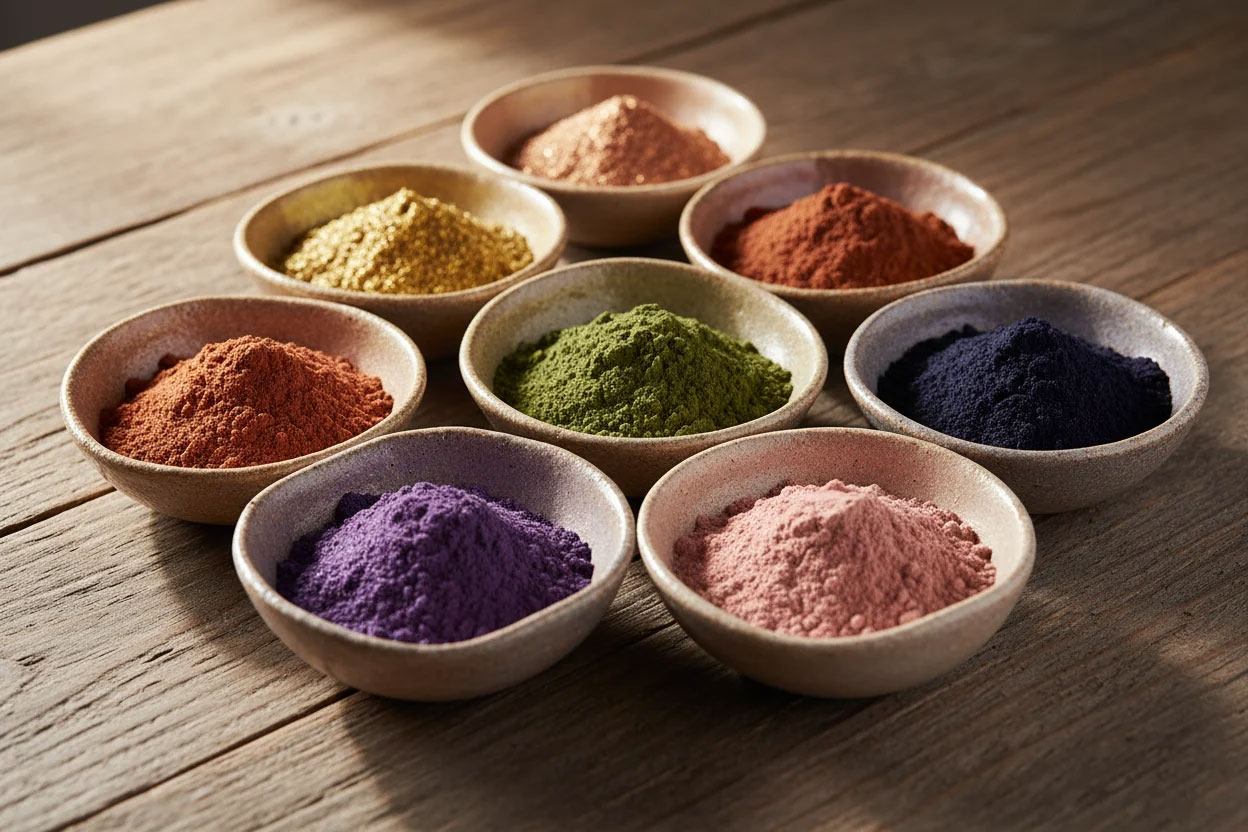
Natural food color powders are not just about adding color to your meals; they’re packed with nutrients too. Made from fruits, vegetables, and herbs, these powders offer a healthy alternative to artificial food coloring. From beetroot to turmeric, each powder comes with its own health benefits.
What are Natural Food Color Powders?
Natural food color powders are plant-based powders made by drying and grinding colorful fruits, vegetables, flowers, or herbs. They are used to add vibrant colors to food naturally and drinks without the use of synthetic chemicals. Unlike artificial food dyes, these powders retain some of the original nutrients and antioxidants from their sources. Common examples include beetroot powder (red), turmeric powder (yellow), and spirulina powder (green-blue). They’re a healthy and safe way to make food more appealing.
What are some common natural food color?
1. Matcha Powder
Matcha powder is a green powder made from finely ground green tea leaves. An easy way to use this natural green food coloring is in your baked goods. By adding a teaspoon or two of matcha powder to cookie or cake batter, you can achieve a beautiful green color without the need for artificial food dyes. Not only does this add a pop of color to your treats, but it also adds a subtle earthy flavor that pairs well with sweet desserts.
Another way to use matcha powder as a natural food coloring is in beverages. Whether you’re making a smoothie, latte, or cocktail, a small amount of matcha powder can give your drink a colorful green hue.
What Colors Can You Create? Light mint green, medium green, dark vibrant green
Best Types of Foods to Use: Lattes and hot beverages, smoothies and juices, ice cream, baked goods, frostings and creams, sauces and dips, pasta and noodles
2. Spirulina Powder
Spirulina powder is a natural food coloring derived from blue-green algae. Packed with essential nutrients like protein, vitamins, and minerals, it offers numerous advantages as a natural food coloring option. Not only does spirulina powder provide appealing shades of green and blue, but it also adds a nutritional boost to your products. Whether you’re looking to enhance the visual appeal of baked goods, beverages, or even savory dishes, spirulina powder is a versatile and healthy alternative to artificial food coloring.
In addition to its nutritional benefits and natural color, spirulina powder is also versatile and easy to use. It can be mixed into various recipes without altering the taste significantly, making it an excellent choice for those who want to add color without compromising the flavor profile of their dishes.
What Colors Can You Create? Pale green and blue, bright teal, dark saturated blue
Best Types of Foods to Use: Bubble tea, cupcakes, cookies, frosting, smoothies, ice cream, pasta, sauces
Advantages of natural food coloring
- Safe and Chemical-Free: Natural food color powders are made from plant-based sources like fruits, vegetables, and herbs, without the use of harmful chemicals. This makes them a safer option, especially for children and those with sensitivities or allergies.
- Nutritional Value: Unlike synthetic colorants that offer no health benefits, natural powders retain some nutrients from their source. They often contain vitamins, minerals, and antioxidants that support overall health while enhancing food visually.
- No Side Effects: Synthetic food colors have been associated with allergic reactions, behavioral issues in children, and long-term health concerns. Natural alternatives are generally well-tolerated and don’t carry these risks when consumed in moderate amounts.
- Eco-Friendly and Sustainable: Natural colors are more environmentally friendly as they are derived from renewable sources and involve less chemical processing. This supports sustainable farming and reduces pollution caused by chemical dye production.
- Supports Clean Label Trends: Consumers today are increasingly looking for clean-label, additive-free products. Using natural food color powders aligns with this demand, making food both appealing and transparent in terms of ingredients.
How to Use Natural food Color Powders?
- In Smoothies and Beverages: Natural food color powders can easily be added to smoothies, juices, or even herbal teas. Simply mix a small amount of powder into your drink for an instant color boost, along with additional nutrients. For example, adding spirulina powder can give your smoothie a vibrant green hue while boosting energy and immunity.
- In Baking and Desserts: You can incorporate these powders into your baking recipes, such as cakes, muffins, or cookies. Adding turmeric powder can give your cakes a golden hue while providing anti-inflammatory benefits. Beetroot powder is perfect for adding a natural pink or red color to frostings or cookies.
- As Natural Food Dyes: Natural food color powders can be used as food dyes to decorate cakes, cookies, and other baked goods. Simply mix the powder with water or a liquid to make a natural dye and apply it to your desserts. For example, butterfly pea powder can be used to create a beautiful blue color for your icing.
- In Homemade Pasta or Dough: For a fun, colorful twist, add natural food color powders to pasta dough or homemade bread. Beetroot powder gives dough a deep red color, while spinach powder creates a vibrant green. These natural additions make your homemade creations visually appealing without artificial dyes.
- In Salads and Dressings: You can also sprinkle natural food color powders onto salads or mix them into salad dressings. Spirulina powder, for instance, can add a pop of green to your salad while delivering health benefits like improved digestion and detoxification.

Get in Touch
If you are considering sourcing high-quality raw materials, developing new products, customizing formulas, or have any other questions, please contact us!
We are ready to provide you with high-quality raw materials, personalized formula customization, private label solutions, or any other assistance to help you embark on your brand journey!
