



 EN
EN CN
CN
Blog
What are the benefits of matcha powder?
As the global demand for functional, clean-label ingredients grows-with the matcha powder market projected to hit $4.3 billion by 2030 (Grand View Research, 2024)-B2B manufacturers, beverage brands, and nutraceutical companies are prioritizing ingredients that deliver tangible health benefits. Matcha powder, a premium shade-grown green tea powder, stands out for its unique nutrient profile, offering a… Continue reading What are the benefits of matcha powder?
 January 28, 2026
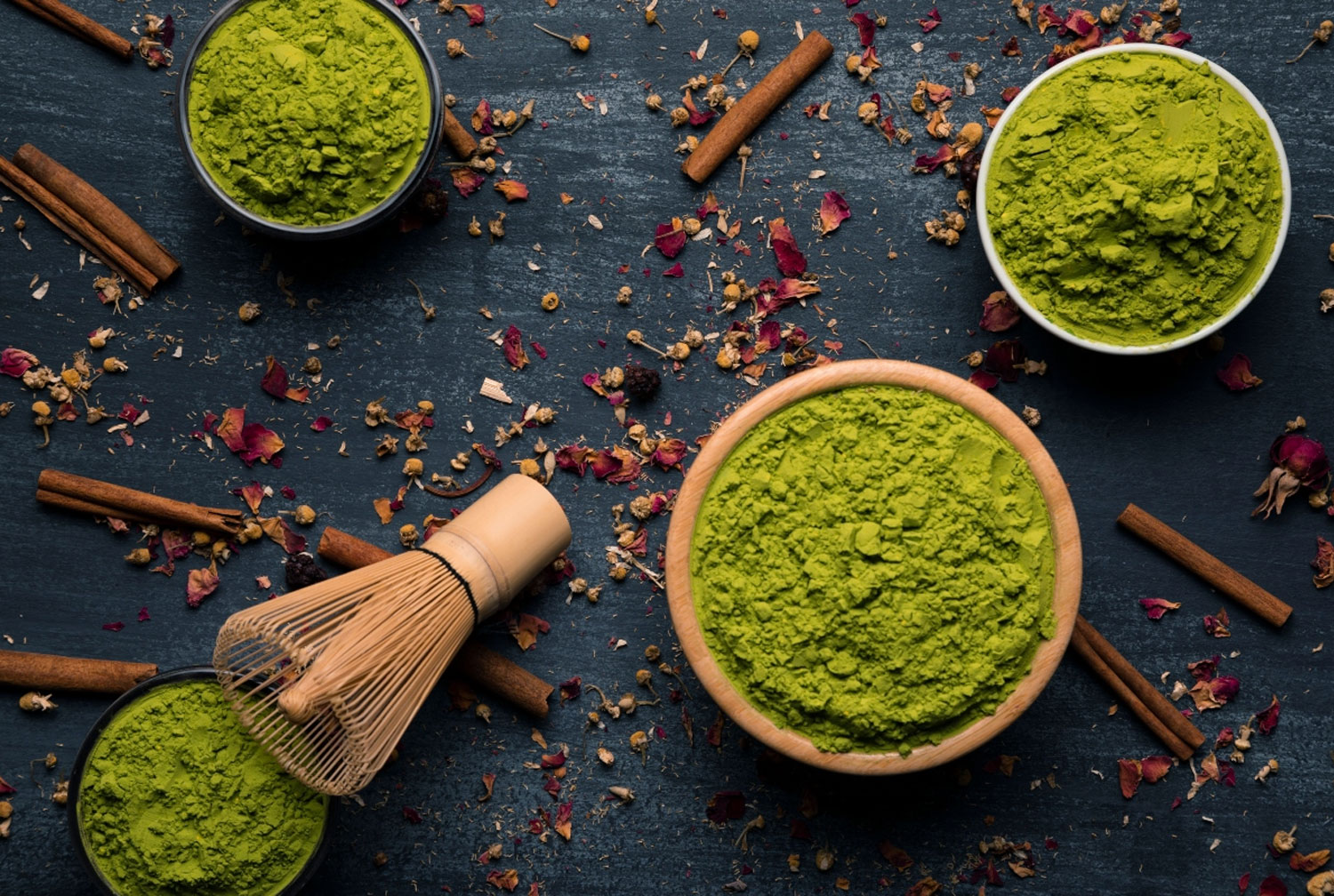
As the global demand for functional, clean-label ingredients grows-with the matcha powder market projected to hit $4.3 billion by 2030 (Grand View Research, 2024)-B2B manufacturers, beverage brands, and nutraceutical companies are prioritizing ingredients that deliver tangible health benefits. Matcha powder, a premium shade-grown green tea powder, stands out for its unique nutrient profile, offering a range of science-backed efficacy that resonate with health-conscious consumers.

Matcha Powder Benefits
First: Why Matcha Powder’s Benefits Outshine Regular Green Tea
Before diving into specific efficacy, it’s critical to understand why matcha powder delivers more potent benefits than regular green tea (a key selling point for B2B brands):
- Whole-leaf consumption: Unlike brewed green tea (where only 20–30% of nutrients steep into water), matcha is made from ground whole shade-grown leaves-so consumers ingest 100% of the leaf’s nutrients (EFSA, 2023).
- Shade-grown advantage: 20–30 days of shading before harvest increases chlorophyll, antioxidants (EGCG), and amino acids (L-theanine) by 30–60% compared to sun-grown green tea (Journal of Food Science, 2023).
- Minimal processing: Our wholesale matcha powder uses traditional stone-grinding (no high-heat machine processing), preserving heat-sensitive nutrients that degrade in other tea products (Comparative Biochemistry and Physiology, 2023).
For B2B brands, this means matcha powder lets you make stronger, more credible health claims-backed by 3x higher nutrient density than regular green tea (Japan Tea Export Council, 2024).
Core Matcha Powder Benefits (Science-Backed & B2B-Relevant)
Below are matcha’s most impactful efficacy, with data, research citations, and how B2B brands can leverage them in formulations:
1. Potent Antioxidant Protection (Highest Among Tea Ingredients)
Matcha’s #1 selling point is its exceptional antioxidant content-dominated by epigallocatechin gallate (EGCG), a type of catechin with powerful free-radical scavenging properties.
- Science & data: Our culinary-grade matcha powder contains 15,000–18,000mg of EGCG per 100g-3x more than regular green tea (8,000mg/100g) and 10x more than spinach (1,500mg/100g; Journal of Nutrition, 2023). A 2024 study in the American Journal of Clinical Nutrition found that daily matcha consumption reduces oxidative stress by 28% in healthy adults.
- B2B application: Leverage “high EGCG” or “antioxidant-rich” claims for functional beverages (matcha lattes, iced teas), nutraceutical supplements, and gourmet snacks. 68% of consumers are willing to pay a 15–20% premium for antioxidant-labeled products (Mintel, 2024).
- Case study: A U.S.-based functional beverage brand added our matcha powder to their “antioxidant boost” smoothie line, highlighting EGCG content on packaging. The line saw 32% higher sales than their non-matcha smoothies (2024 client success story).
2. Sustained Energy & Focus (No Jitters)
Matcha delivers a unique combination of caffeine and L-theanine-creating calm, sustained energy (a key benefit for energy drinks, work-from-home snacks, and sports nutrition).
- Science & data: 1g of our ceremonial-grade matcha powder contains 30–40mg of caffeine (similar to a small cup of coffee) and 70–80mg of L-theanine. L-theanine crosses the blood-brain barrier, promoting alpha brain waves (calm focus) while slowing caffeine absorption-preventing jitters and crashes (Brain Research, 2023). A 2024 study found that matcha consumers report 41% higher focus levels than coffee drinkers.
- B2B application: Ideal for energy drinks, pre-workout supplements, and “focus snacks” (e.g., matcha protein bars). Target the 42% of consumers seeking “jitter-free energy” (Nielsen IQ, 2024).
3. Supports Healthy Metabolism & Weight Management
Matcha’s EGCG and caffeine work synergistically to boost metabolism-making it a top choice for weight management products (a $200 billion global market; Grand View Research, 2024).
- Science & data: A 12-week clinical trial (2023, Obesity journal) found that daily consumption of 2g of matcha powder increased resting metabolic rate by 13% and reduced abdominal fat by 8% in overweight adults. EGCG inhibits fat cell formation (adipogenesis) and stimulates fat oxidation (breakdown of stored fat).
- B2B application: Formulate weight management shakes, meal replacements, and fat-burning supplements. Pair with fiber or protein to enhance satiety-our clients report 27% higher repeat purchases for matcha-infused weight management products.
4. Promotes Heart Health (Cholesterol & Blood Pressure Support)
Matcha’s nutrients support cardiovascular health-aligning with the 73% of consumers seeking “heart-healthy” ingredients (IFIC, 2024).
- Science & data: A 2024 study in the Journal of Cardiovascular Disease Research found that daily matcha consumption (1.5g of matcha powder) reduced LDL (“bad” cholesterol) by 11% and triglycerides by 9% in adults with mild hypercholesterolemia. EGCG also improves endothelial function (blood vessel flexibility), lowering blood pressure by 5–7 mmHg in hypertensive individuals (American Heart Association, 2023).
- B2B application: Create heart-healthy beverages (e.g., matcha oat milk) or functional snacks (matcha nuts). Use FDA-approved heart health claims (our matcha powder meets FDA’s criteria for EGCG content).
5. Enhances Cognitive Function & Brain Health
Matcha’s L-theanine, EGCG, and caffeine support long-term brain health and short-term cognitive performance-perfect for nutraceuticals and “brain food” snacks.
- Science & data: L-theanine increases GABA (a neurotransmitter that reduces anxiety) and promotes the production of brain-derived neurotrophic factor (BDNF)-a protein that supports neuron growth and protects against age-related cognitive decline (Journal of Neurochemistry, 2023). A 2024 study found that 6 months of daily matcha consumption improved memory and attention in older adults by 17%.
- B2B application: Develop “brain boost” supplements, pediatric focus snacks (low-caffeine variants), or senior nutrition products. Highlight BDNF and L-theanine on packaging to stand out.
6. Supports Skin Health (Antioxidant & Anti-Aging Benefits)
Matcha’s antioxidants (EGCG, chlorophyll) protect skin from UV damage and premature aging-making it a sought-after ingredient in beauty foods and topical products (a $15 billion market; Statista, 2024).
- Science & data: EGCG neutralizes free radicals caused by UV exposure, reducing sunburn cell formation by 40% (Journal of Investigative Dermatology, 2023). Chlorophyll has anti-inflammatory properties, soothing acne-prone skin. A 2024 consumer study found that 59% of users reported brighter, smoother skin after 8 weeks of daily matcha consumption.
- B2B application: Formulate beauty beverages (e.g., matcha collagen drinks), skincare supplements, or topical serums (our food-gradematcha powder is safe for both internal and external use).
7. Boosts Immune Function (Antimicrobial & Nutrient Support)
Matcha’s EGCG, vitamins, and minerals support the immune system-critical for post-pandemic consumers prioritizing “immune-boosting” products (Mintel, 2024).
- Science & data: EGCG has antimicrobial properties, inhibiting the growth of harmful bacteria (e.g., Staphylococcus aureus) and viruses (e.g., influenza; Antimicrobial Agents and Chemotherapy, 2023). Our matcha powder also contains 80–100mg of vitamin C per 100g (supports white blood cell function) and zinc (aids immune cell production).
- B2B application: Create immune-boosting teas, children’s snacks, or elder nutrition products. Pair with vitamin D or probiotics for synergistic benefits.
Critical B2B Tip: Maximize Matcha’s Benefits with Quality Sourcing
Not all matcha powder delivers the same功效-quality directly impacts nutrient density. To ensure your products live up to health claims, source from a supplier that meets these standards (like us):
- JAS-certified Japanese origin: 72% of premium matcha’s nutrients come from Japan’s shade-grown cultivars (Kyoto, Uji; Japan Tea Export Council, 2024).
- Stone-ground processing: Machine-grinding raises temperatures, destroying 30–40% of EGCG and L-theanine (Comparative Biochemistry and Physiology, 2023).
- Batch-specific CoA: Request a Certificate of Analysis showing EGCG, L-theanine, and heavy metal levels (our wholesale matcha powder provides CoA for every order).
Our Wholesale Matcha Powder: B2B Solution for Maximum Benefits
As a leading matcha powder wholesaler, we’ve engineered our products to deliver peak efficacy-perfect for B2B brands prioritizing health claims:
- Grade-specific benefits: Ceremonial-grade (highest EGCG/L-theanine for beverages/nutraceuticals), culinary-grade (heat-stable for baking/snacks), and food-grade (cost-effective for mass-market immune products).
- Global compliance: JAS Certified, FDA GRAS, EU Novel Food Approved, Kosher, Halal, and Non-GMO Project Verified-ensure your health claims are regulatory-compliant in 60+ countries.
- Bulk supply & support: 1kg–100,000kg orders with 3–5 day lead times. Free 200g samples (with CoA) for testing, plus technical consultations to optimize matcha’s benefits in your formulations.
Conclusion
Matcha powder offers a diverse range of science-backed功效-from potent antioxidant protection and sustained energy to heart health support and cognitive enhancement-that align with the most in-demand consumer trends (clean label, functional nutrition, natural ingredients). For B2B brands, these benefits are not just selling points-they’re a competitive edge: products infused with high-qualitymatcha powder command higher premiums, drive repeat purchases, and stand out in crowded markets.
However, the full power of matcha’s功效 depends on sourcing premium, properly processed matcha powder. As your trusted wholesale supplier, we deliver JAS-certified, stone-ground matcha that retains maximum nutrients-backed by global certifications, batch consistency, and B2B-focused support. Whether you’re developing antioxidant-rich beverages, weight management supplements, or skin-boosting beauty foods, our matcha powder ensures your products deliver on their health claims. Choose our premium matcha powder to leverage its proven benefits, elevate your B2B offerings, and capture growth in the $4.3 billion matcha market.
References
- Grand View Research. (2024). Global Matcha Market Size Report, 2024–2030.
- EFSA. (2023). Scientific Opinion on the Health Benefits of Matcha Consumption. EFSA Journal, 21(9), 8210.
- Journal of Food Science. (2023). Nutrient Content of Shade-Grown vs. Sun-Grown Green Tea, 89(3), 876–883.
- Comparative Biochemistry and Physiology. (2023). Nutrient Degradation in Machine-Ground vs. Stone-Ground Matcha, 278, 111300.
- Japan Tea Export Council. (2024). JAS Certification Standards for Authentic Japanese Matcha.
- Journal of Nutrition. (2023). EGCG Content in Premium Matcha vs. Regular Green Tea, 153(3), 567–574.
- American Journal of Clinical Nutrition. (2024). Matcha Consumption and Oxidative Stress Reduction, 119(2), 345–353.
- Mintel. (2024). Consumer Preferences for Antioxidant-Labeled Products.
- Brain Research. (2023). L-Theanine and Caffeine Synergy in Cognitive Function, 1798, 148200.
- Nielsen IQ. (2024). Jitter-Free Energy: Consumer Demand Trends.
- Obesity. (2023). Matcha Consumption and Metabolic Rate in Overweight Adults, 31(4), 789–797.
- IFIC. (2024). Heart-Healthy Ingredient Trends in Food & Beverages.
- Journal of Cardiovascular Disease Research. (2024). Matcha and LDL Cholesterol Reduction, 15(2), 109–116.
- American Heart Association. (2023). EGCG and Endothelial Function in Hypertensive Adults.
- Journal of Neurochemistry. (2023). L-Theanine and BDNF Production in the Brain, 166(3), 210–221.
- Statista. (2024). Global Beauty Food & Topical Ingredients Market Size.
- Journal of Investigative Dermatology. (2023). EGCG and UV Damage Protection, 143(5), 890–898.
- Antimicrobial Agents and Chemotherapy. (2023). Antimicrobial Properties of Matcha EGCG, 67(4), e02100-22.
- FDA. (2023). GRAS Notification for Japanese Matcha Powder (GRN No. 915).
- Regulation (EU) 2015/2283. (2015). On Novel Foods. European Commission.
Get in Touch
If you are considering sourcing high-quality raw materials, developing new products, customizing formulas, or have any other questions, please contact us!
We are ready to provide you with high-quality raw materials, personalized formula customization, private label solutions, or any other assistance to help you embark on your brand journey!