
 EN
EN CN
CN
Key TakeawaySince it is produced so extensively, sugar is one of the substances that is popularly consumed worldwide. Unfortunately, it also happens to be one of the most devastating ingredients from a health perspective. Natural sugars are hardly ever found in a concentrated or pure form without other compounds that regulate their effects. Excess sugar intake can contribute to obesity, diabetes, heart disease, and tooth decay, among other problems. Many people are searching for sugar substitutes that can satiate their sweet cravings without endangering their health.
Blog
Allulose vs. Stevia: The Healthiest Sugar Substitute?
Compare allulose and stevia. Learn which natural sweetener is better for baking, taste, and your specific health goals.
 May 12, 2026
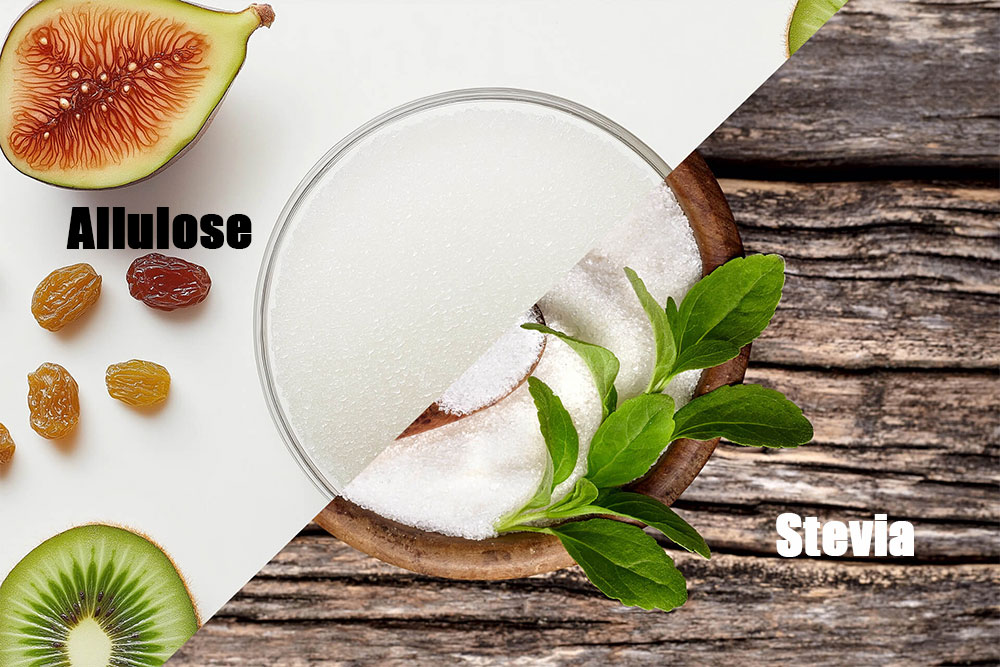
Enter allulose and stevia, two of the most popular natural sweeteners. Both are low-calorie, keto-friendly, and won’t spike blood sugar, but they’re not the same. Whether you’re sweetening your coffee, baking cookies, or mixing up a cocktail, knowing the difference can help you choose the best one.
What is Allulose?
Allulose is a relatively new low-calorie sweetener.Allulose, also called D-allulose or D-psicose, is a natural sugar that is found in plants like wheat, sugar cane, maple syrup, figs, and raisins. Interestingly, allulose actually shares the same molecular formula as fructose.
It tastes very similar to traditional sugar, though it is only about 70 percent as sweet. Allulose is considered a rare sugar because it’s found in such small quantities in nature. As a result, the cost of production is high and it isn’t used as often as many other natural sugar substitutes.
It is generally recognized as safe (GRAS) by the FDA, and has been approved for use as a sugar substitute in baked goods, chewing gum, hard candy, frozen dairy desserts, yogurt, cereals, and carbonated and non-carbonated diet drinks.
Key benefits of allulose
Weight Loss: Allulose can help reduce the total calorie intake and support weight management, as it provides almost no calories compared to sugar. In a 12-week study, obese Korean individuals supplemented either 4g or 7g of allulose twice a day, experiencing great reductions in total weight and subcutaneous fat (under the skin).
Low-glycemic: Allulose can help regulate blood sugar and insulin levels and prevent spikes and crashes that can affect energy, mood, and appetite. This has been proven in both diabetics and healthy people. It also appears to enhance fatty acid metabolism.
Anti-inflammatory: Allulose may possess anti-inflammatory qualities, as it lowers oxidative stress and inflammation in the body, both of which are connected to chronic illnesses.
Prebiotic: Allulose may act as a prebiotic and feed some of the beneficial bacteria in the gut, which can improve digestion, immunity, and overall health. However, some sources explain that a large amount of allulose is still excreted largely untouched by gut bacteria, which may cause indigestion in sensitive individuals.
Dental: Allulose does not promote tooth decay, unlike sugar, and may even inhibit the growth of harmful bacteria in the mouth.
Potential Downsides of Allulose
Some people experience bloating, nausea, or diarrhoea, especially in high amounts.
Headaches are another potential side effect of high amounts of allulose.
While early studies are promising, we don’t yet know the long-term effects of allulose on health.
What Is Stevia?
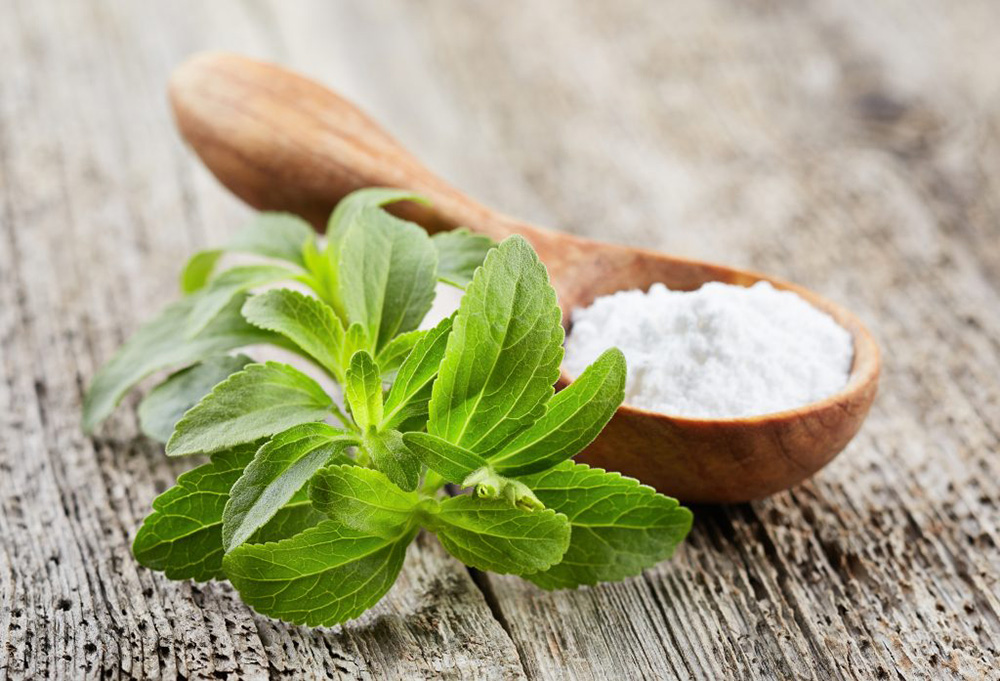
Stevia comes from the leaves of the Stevia rebaudiana plant, originating in South America where indigenous peoples in Paraguay and Brazil have used it for centuries. What makes stevia remarkable is its intense sweetness – it’s approximately 200-300 times sweeter than sugar, meaning a tiny amount goes a long way.
Creating stevia sweetener involves harvesting the leaves, extracting compounds called steviol glycosides, and purifying the extract before converting it into powder or liquid form. The result is a zero-calorie, zero-carbohydrate sweetener that doesn’t affect blood sugar levels.
In 1931, chemists M. Bridel and R. Lavielle isolated the two steviol glycosides that make the leaves of the plant sweet: stevioside and rebaudioside (with five variations: A, C, D, E and F). Stevioside is sweet but also has a bitter aftertaste that many complain about when using it, while isolated rebaudioside is sweet without the bitterness.
Many raw/crude stevia or minimally processed stevia products contain both types of compounds, whereas more highly processed forms only contain the rebaudiosides, which is the sweetest part of the leaf.
Rebiana, or high-purity rebaudioside A, is “generally recognized as safe” (GRAS) by the U.S. Food and Drug Administration (FDA) and may be used as an artificial sweetener in foods and beverages.
Key benefits of Stevia
- Helps Regulate Blood Sugar
The most common use for stevia is for those with diabetes who need to regulate blood sugar. Because stevia is a non-nutritive sweetener, it does not contain calories or raise blood sugar, making it a suitable sugar substitute for people with this condition. Stevia is thought to have hypoglycemic properties, resulting in lower insulin and glucose levels when consumed.
Stevia may also provide better glucose control when compared to aspartame, and artificial sweetener. Although studies show stevia is promising in diabetes management, more studies are needed to confirm its benefits.
- Blood Pressure
Stevia is known to act as a vasodilator, causing the blood vessels to widen and subsequently help to lower blood pressure. With reference to the recommended daily intake below, as with everything health-specific, caution should be taken if using stevia with the sole intention of lowering blood pressure. We recommend speaking to a medical professional before proceeding.
- Weight management
Because stevia contains zero calories, it can be a useful tool for adding a sweet taste to foods without extra calories. However, research conducted for weight management has mostly been done in rats and in vitro and requires robust research to be conclusive. Theoretically, stevia could be helpful with weight management when combined with a balanced diet and exercise.
Stevia is commonly used to sweeten workout supplements, including protein powders for men and protein powders for women.
- Promote Oral Health
Stevia has been found to interact differently with the bacteria in the mouth, decreasing the acidity and resulting in less bacterial and cavity formation. One study examined the changes in salivary pH when drinking tea sweetened with regular sugar, tea sweetened with stevia, and an unsweetened control group.
One hour after tea consumption, the pH of the sucrose group was lower, meaning more acidic, than that of the stevia group. The results of this study suggest stevia use may be effective at preventing cavities and bacterial formation in the mouth.
Potential Downsides of Stevia
It’s also important to understand stevia may have some drawbacks.
In a 2022 review of research on stevia and gut health, reviewers found studies had mixed results on whether stevia supports a healthy gut microbiome or causes an imbalance. A 2024 study found that it’s unlikely stevia harms gut health, at least during the 12-week study period. But that doesn’t rule out common side effects like nausea or bloating.
Stevia vs. Allulose: Which is Better?
Which is better, allulose or stevia? In fact, there is no standard answer. Which sweetener to choose will ultimately return to your personal health goals and preferences.
Based on your health goals:
If you are after the closest taste and baking effect to sucrose, then I tend to recommend you try psicose. Its molecular structure is similar to fructose, giving it a taste and caramelisation characteristics very close to sucrose.
In baking, allulose also tends to perform better than stevia, bringing better texture and flavour. Many customers have provided feedback that desserts made of allulose can hardly taste the difference from traditional white sugar.
If you prefer all-natural, zero-calorie products and have special requirements for oral health, Stevia is undoubtedly your first choice. Stevia is derived from the stevia plant and is the 1 true zero-calorie sweetener.
Even better, it doesn’t cause cavities like sucrose does. Many studies have shown that stevia may even help inhibit the growth of oral bacteria and have a positive effect on maintaining oral health. So, if you’re worried about “Stevia tooth decay”, you can rest assured that stevia is excellent in this regard.
If you pay attention to Allulose vs Stevia Weight Loss, whether it is allulose or stevia, both are excellent low-calorie or zero-calorie substitutes. All of them can help you effectively reduce calorie intake while enjoying the sweet taste, thus assisting weight management.
So, at this point, you can choose exactly according to your taste preferences. Some people like the unique flavour of stevia, while others prefer the “senseless” sweetness of allulose. The important thing is to find options that you can stick with for the long term.
Recommendations for use:
Start with a small dose and observe the physical response. Everyone has a different sensitivity and tolerance to sweeteners. Some people may experience mild digestive discomfort after consuming more sweeteners. Therefore, it is very important to introduce it gradually and pay close attention to the feedback of the body.
Pay attention to the list of product ingredients and choose products that are pure and free of unnecessary additives. There is a wide variety of sweetener products on the market, and some may add other ingredients for taste or convenience. I always recommend that customers choose products with a simple, clear list of ingredients. The more pure the better.
Emphasize that sweeteners are only an auxiliary tool, and healthy eating and lifestyle are fundamental. Sweeteners can help us reduce sugar intake, but they are not a panacea.
A balanced diet, rich in whole grains, vegetables, fruits and protein, as well as adequate exercise and good sleep, is the cornerstone of maintaining health. Do not put the cart before the horse and rely too much on sweeteners.
Fusion use:
Interestingly, allulose and stevia are not mutually exclusive. In fact, the combination of the two can often achieve unexpected results. For example, in baking, you can use allulose as the main body and add a small amount of stevia to enhance the sweetness and offset the slight bitter aftertaste that some stevia may bring. This combination of strategies can help you find the perfect balance between sweetness and taste.
FAQs About Allulose and Stevia
Is allulose healthier than stevia?
Neither is definitively healthier than the other—they work differently and suit different needs. Allulose behaves more like sugar in cooking and baking and has no bitter aftertaste, while stevia is calorie-free and widely available. The best choice depends on how you’re using it and how your body responds to each.
Does allulose taste better than stevia?
For most people, yes. Allulose has a cleaner, more sugar-like taste with no aftertaste. Stevia can have a bitter or licorice-like aftertaste that some people find unpleasant, especially in higher amounts. That said, taste is personal and some people don’t notice stevia’s aftertaste at all.
Is allulose good for people with diabetes?
Allulose doesn’t raise blood sugar or insulin levels, which makes it a potentially useful option for people managing diabetes or blood sugar. It is recommended that you consult a doctor or nutritionist before making significant changes to your diet, especially if you are managing a health condition.
Which is better for weight loss—allulose or stevia?
Neither has been proven to promote weight loss on its own. Both can help reduce overall sugar and calorie intake, which may support weight management as part of a balanced diet. However, relying heavily on any sweetener can make it harder to reset your taste preferences and reduce overall cravings for sweetness over time.
Is allulose FDA approved?
Yes, the FDA has determined that allulose is generally recognized as safe (GRAS). It’s approved for use in food products in the United States, though it’s worth noting that long-term research is still limited, as it’s a relatively new ingredient in the food supply.
Which has fewer calories—allulose or stevia?
Stevia is technically zero calories, while allulose contains about 0.4 calories per gram—roughly 90% fewer calories than regular sugar. In practical terms, both are extremely low calorie, so this difference doesn’t matter much in everyday use.
Is allulose or stevia better for baking?
Allulose is the better choice because it mimics sugar’s texture and caramelization
Can I use allulose and stevia together?
Yes! Some products even blend the two to balance taste and texture.
The Final Word
Your choice between stevia and allulose should ultimately depend on your specific needs and preferences. Both offer viable alternatives to sugar, with minimal impact on blood sugar levels. Stevia’s concentrated nature makes it especially cost-effective for beverages, while allulose’s sugar-like performance makes it ideal for baking.
Whether you’re looking to reduce sugar intake, manage blood sugar levels, or simply explore alternative sweeteners, both stevia and allulose offer unique benefits worth considering. The best choice is the one that aligns with your cooking style, taste preferences, and wellness goals.

Jady
Jady has over 20 years of experience in the plant extract industry and is a seasoned expert in natural plant active ingredients. She specializes in the research, analysis, and extraction of plant extracts, natural sweeteners, mushroom extracts, cosmetic ingredients, and other plant active ingredients. Jady possesses a deep understanding of international food safety standards such as FDA and EFSA, and can clearly explain complex biochemical concepts to formulators worldwide. Her expertise effectively helps brands bridge the gap between scientific research and commercial applications, focusing on developing natural health products. She excels at guiding brands to understand the specific applications of various ingredients in dietary supplements, functional foods, and cosmetics, enabling clients to more easily select suitable ingredients and find reliable solutions.


Get in Touch
If you are considering sourcing high-quality raw materials, developing new products, customizing formulas, or have any other questions, please contact us!
We are ready to provide you with high-quality raw materials, personalized formula customization, private label solutions, or any other assistance to help you embark on your brand journey!
