If you’ve been looking to cut back on sugar, you may have come across a new product: allulose. It is promoted as a lower-calorie, better-tasting alternative to other sweeteners — one that doesn’t cause exaggerated blood sugar responses, and actually works in baking. But what is allulose? In this article, we’ll dive into the facts, explaining where it comes from and how it might influence health.
Key Takeaway
Origin: Allulose is a rare sugar found in small amounts in foods like figs, raisins, and maple syrup.
Low Calorie: It tastes about 70% as sweet as sugar but contains roughly 90% fewer calories.
Blood Sugar Friendly: Multiple clinical trials show that allulose doesn’t significantly raise blood glucose or insulin levels.
Safety: The FDA considers allulose generally safe, but digestive discomfort can occur above a certain level.
Baking Performance: In baking, allulose browns, caramelises, and adds bulk like real sugar, something most low-calorie sweeteners can’t do.
What Exactly is Allulose?
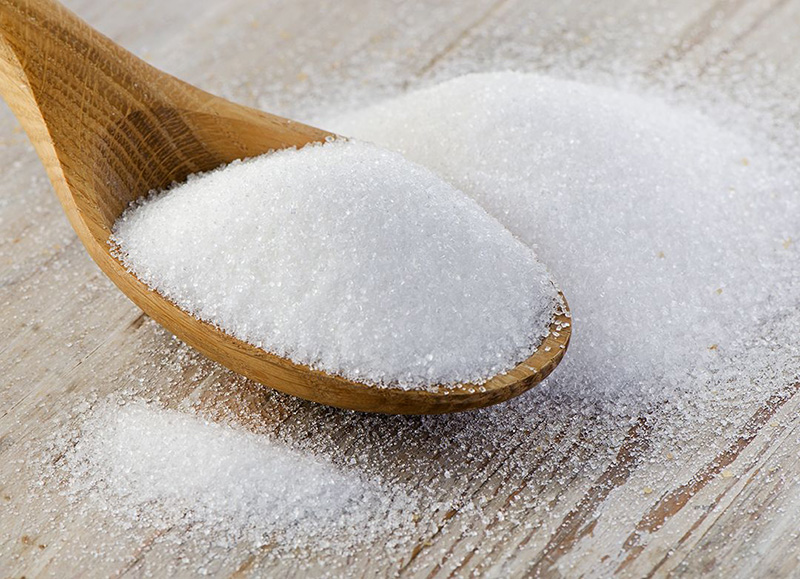
Allulose is also known as D-psicose. It’s classified as a rare sugar because it’s naturally present in only a few foods. Wheat, figs, and molasses all contain it.
Allulose is about 70% as sweet as table sugar, and according to the U.S. Food and Drug Administration (FDA), allulose provides roughly 0.4 calories per gram, compared with 4 calories per gram of table sugar.
Like glucose and fructose, allulose is a monosaccharide, or single sugar. In contrast, table sugar, also known as sucrose, is a disaccharide made of glucose and fructose joined together.
In fact, allulose has the same chemical formula as fructose but is arranged differently. This difference in structure prevents your body from processing allulose the way it processes fructose.
Although around 70% of the allulose you consume is absorbed into your blood through your digestive tract, it leaves your body via your urine without being used as fuel.
Allulose also provides 0.2 to 0.4 calories per gram (g), or about 1/10 the calories of table sugar.
It’s also available as a sugar substitute and can be used in recipes for people who want to cut back (or cut out) sugar, including people with diabetes and people following specialized diets, like keto.
In addition, early research suggests that allulose has anti-inflammatory properties and may help prevent obesity and reduce the risk of chronic disease.
Core Health Benefits
Weight Loss and Metabolism
Allulose is lower in calories than regular sugar and can be included in certain dietary approaches, such as low-carb or reduced-calorie meal plans.
The FDA notes that based on available information regarding allulose, its caloric contribution is insignificant and may substantially lessen total calories and calories from added sugar when used instead of added sugars.
Studies confirm that consuming high amounts of allulose (7 grams two times daily) led to significant decreases in body fat, body mass percentage, body mass index (BMI), subcutaneous fat, and total abdominal fat.
Stabilizes Blood Sugar Levels
Some studies show that allulose can be a powerful tool to help promote better blood sugar control. Not only is the allulose glycemic index low, meaning that it doesn’t affect blood sugar levels, but it may also protect the beta cells in the pancreas, which are responsible for the production of insulin.
One 2010 study found that consuming allulose alongside a meal led to significant reductions in blood sugar levels after 30–60 minutes. Other research shows that it could also decrease levels of insulin, which may improve the body’s ability to transport sugar from the bloodstream to the cells more efficiently.
A 2023 study in the Journal of Functional Foods demonstrated that allulose added to sucrose lowered postprandial glucose as well as insulin versus sucrose alone. It also “attenuated the peak rise in glucose and insulin.”
May Reduce Inflammation
Inflammation is a normal immune response that our bodies use to help defend against infection. Chronic inflammation, on the other hand, can worsen symptoms of autoimmune disorders and may contribute to serious conditions like heart disease, cancer and diabetes.
Some research suggests that allulose could possess powerful anti-inflammatory properties. Although it’s unclear exactly how it works, a recent 2020 study noted that allulose may interact with the beneficial bacteria in the gut to help alleviate inflammation and reduce weight gain.
Allulose vs other sweeteners
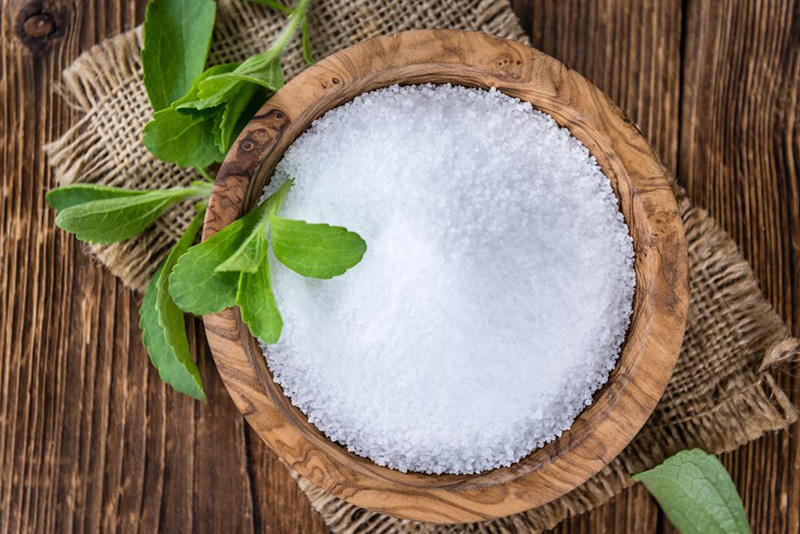
Allulose vs. stevia
Allulose closely mimics sugar’s taste and texture, making it a more seamless substitute in recipes. In contrast, stevia has a distinct aftertaste that some people find off-putting. Additionally, stevia is significantly sweeter than sugar, meaning it requires careful formulation when used in food and beverages. You can use allulose, on the other hand, as a direct sugar replacement, which makes it a more convenient option for cooking and baking.
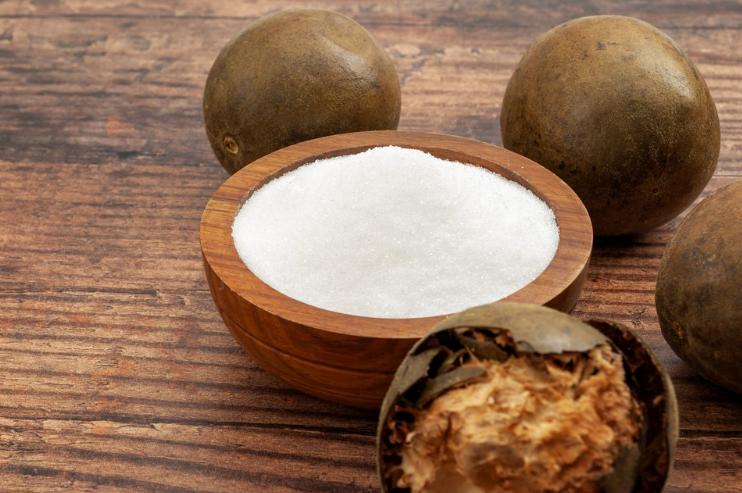
Allulose vs monk fruit
Monk fruit extract is 150–250 times sweeter than sugar with zero calories. It has a cleaner taste than stevia, but still can’t match allulose for tasting like actual sugar.
Like stevia, it doesn’t provide the bulk, browning, or moisture that baking requires. That said, it is zero calories, so the decision would be based on personal preference.
Allulose vs. erythritol
Compared to erythritol, allulose is generally easier on digestion. The body absorbs and excretes allulose without allowing it to undergo fermentation in the gut. Both sweeteners are keto-friendly and do not raise blood sugar levels. Allulose provides a more sugar-like experience in recipes, however, as it browns and caramelizes similarly to table sugar, which makes it ideal for baking.
Allulose vs. artificial sweeteners (such as aspartame and sucralose)
When examining allulose alongside artificial sweeteners like aspartame and sucralose, the most notable difference is its natural origin. We derive allulose through a natural process; scientists formulate aspartame and sucralose in a lab. Artificial sweeteners have long been controversial due to concerns over potential long-term health effects, including links to metabolic disruptions and gut microbiome changes. Experts see allulose as a safer, more natural alternative when compared to aspartame, sucralose, acesulfame potassium (Ace-K), neotame, or any of the other artificial choices.
How to Use
Whether you’re looking to sweeten your morning coffee, bake a batch of cookies, or make a creamy, scoopable ice cream, allulose offers a sugar-like experience without the downsides.
Beverages: Works well in coffee, tea, flavored waters, and sodas, providing a mild sweetness that dissolves easily without an aftertaste. Bevi is currently exploring how we could use allulose to craft sweeter flavors in our beverage portfolio.
Baking: Unlike many sugar alternatives, allulose browns and caramelizes like sugar, making it ideal for baked goods. Since it retains moisture better than some sugar substitutes, it helps create soft, chewy textures in cookies and cakes.
Frozen desserts: Doesn’t crystallize like erythritol, ensuring smooth textures in ice creams and frozen treats without the grittiness that can sometimes occur with other sugar substitutes.
Sauces & dressings: Enhances flavor without adding unnecessary calories, making it perfect for glazes, marinades, and vinaigrettes that benefit from a subtle sweetness.
Safety and Possible Side Effects
Safety
Allulose is approved by the Food and Drug Administration (FDA).
But most of the research about allulose’s potential health risks is based on animal studies; there are very few studies that have looked at its effects on humans. So, researchers are still trying to determine if allulose causes any health issues in humans, and if it does, in what amounts.
Potential side effects
There has been some concern about potential gastrointestinal issues, like bloating and gas, but that’s typical when you eat a large amount of any sweetener.
When in doubt, it’s best to err on the side of caution. Overall, allulose appears to be safe, but it’s not something I recommend you consume in large amounts. Moderation is key.
FAQs
What is allulose made from?
Allulose naturally occurs in a few foods. However, commercial allulose is made by converting fructose, which is found in corn and other plants, to allulose.
Is allulose the same as stevia?
Allulose and stevia are both low calorie sweeteners, but they’re not the same. Stevia is an extract from the plant Stevia rebaudiana. Allulose is a sugar that naturally occurs in some foods, including figs and wheat, but it can also be made from fructose as a commercial food product.
Can you eat allulose if you have type 2 diabetes?
Unlike other types of sugar, allulose has no impact on blood sugar levels and has roughly one-tenth of the calories of regular sugar, making it a good sweetener option for people with type 2 diabetes.
Is allulose good or bad for you?
For most people, allulose is a healthier choice than regular sugar when used in moderation.
It delivers sweetness at roughly 90% fewer calories and helps slow blood sugar rises after eating. The FDA considers it safe, and no serious health concerns have emerged at recommended doses.
The main downside is digestive discomfort if you exceed about 0.4 g/kg of body weight in a single sitting. Within established limits, it’s a solid sugar alternative for most people.
Is allulose banned in the UK?
Allulose isn’t banned in the UK, but it’s not yet authorized as a food ingredient. Applications for its approval are currently under review by the UK Food Standards Agency (FSA).
Is allulose healthier than stevia?
Neither is ‘healthier’ — they solve the same problem in different ways. Both have minimal impact on blood sugar and contain very few (allulose) or zero (stevia) calories. Where they differ is:
Allulose tastes more like real sugar and performs far better in baking. Stevia is 200–350 times sweeter than sugar, so you need very little, but many people find the aftertaste off-putting.
Stevia is also approved globally, including in the UK and EU, and costs less. So, choose allulose for taste and recipe versatility; choose stevia for availability and affordability.
Summary
Allulose is an alternative sweetener with the same taste and texture as table sugar. It has only a fraction of the calories and doesn’t raise blood sugar levels. While allulose is generally recognized as safe, it may cause GI upset when eaten in large amounts.
Studies show that it could help promote weight loss and fat loss, reduce blood sugar levels, improve liver health and decrease inflammation.
Studies in animals and humans shows that it can be safely consumed in moderation with minimal risk of side effects, and it is generally recognized as safe by the FDA, which means that it can be used as a food additive.
Jady
Jady has over 20 years of experience in the plant extract industry and is a seasoned expert in natural plant active ingredients. She specializes in the research, analysis, and extraction of plant extracts, natural sweeteners, mushroom extracts, cosmetic ingredients, and other plant active ingredients. Jady possesses a deep understanding of international food safety standards such as FDA and EFSA, and can clearly explain complex biochemical concepts to formulators worldwide. Her expertise effectively helps brands bridge the gap between scientific research and commercial applications, focusing on developing natural health products. She excels at guiding brands to understand the specific applications of various ingredients in dietary supplements, functional foods, and cosmetics, enabling clients to more easily select suitable ingredients and find reliable solutions.
Follow us:
Get in Touch
If you are considering sourcing high-quality raw materials, developing new products, customizing formulas, or have any other questions, please contact us!
We are ready to provide you with high-quality raw materials, personalized formula customization, private label solutions, or any other assistance to help you embark on your brand journey!



 EN
EN CN
CN
 May 05, 2026