
 EN
EN CN
CN
Blog
What is Mushroom Powder? Benefits and Uses of Mushroom Powders
Mushroom powders have emerged as powerful additions to the realm of superfoods, offering a convenient and versatile way to harness the health benefits of various mushrooms. From boosting immunity to promoting cognitive function, these powders are gaining popularity among health enthusiasts. In this comprehensive guide, we’ll delve into the world of mushroom powders, exploring their… Continue reading What is Mushroom Powder? Benefits and Uses of Mushroom Powders
 July 17, 2026
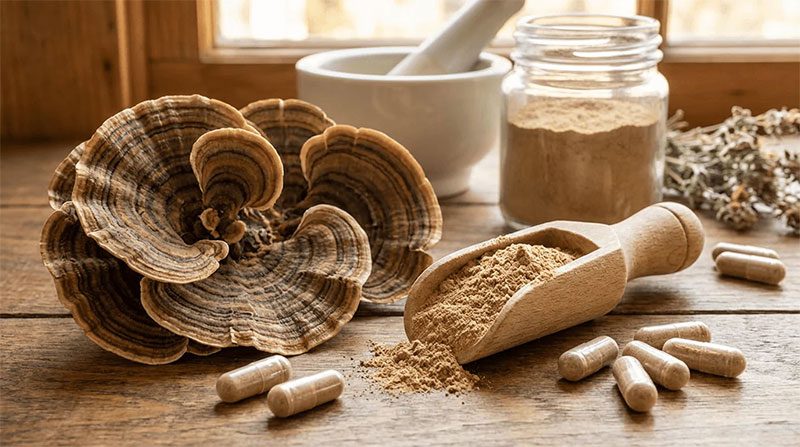
Mushroom powders have emerged as powerful additions to the realm of superfoods, offering a convenient and versatile way to harness the health benefits of various mushrooms. From boosting immunity to promoting cognitive function, these powders are gaining popularity among health enthusiasts. In this comprehensive guide, we’ll delve into the world of mushroom powders, exploring their benefits, uses, potential side effects.
What Is Mushroom Powder?
Mushroom powders are a food ingredient made from dried mushrooms that have been ground into a fine powder. The resulting powder contains all the nutrients and active compounds found in the mushroom but in lower concentrations than mushroom extracts. The most commonly used mushrooms for this purpose are shiitake, porcini, and button mushrooms etc.
Mushroom powders are often used as a flavour enhancer in a variety of dishes, including soups, stews, sauces, and marinades. It has a savoury, umami-rich flavour that can help to add depth and complexity to a dish.
Mushroom Powder Varieties and Their Health Benefits

Lion’s Mane Mushroom Powder
Lion’s mane may enhance memory focus, concentration, and brain function. Beta-glucans, antioxidants, and phytonutrients that protect against neurodegenerative diseases are all present in high concentrations in lion’s mane mushrooms.
Cordyceps Mushroom Powder
Cordyceps have been shown to enhance lung function, respiratory health, and oxygen uptake and may increase energy by increasing the synthesis of ATP in the body.
Maitake Mushroom Powder
Beta-glucans and antioxidants found in maitake have been shown to lower cholesterol levels, improve arterial function, lower blood pressure, and boost the immune system.
Reishi Mushroom Powder
Reishi is high in polysaccharides and is thought to help boost the immune system. It may enhance the quality of sleep, regulate blood pressure, and reduce cholesterol, all while potentially diminishing anxiety and depression. It has also been known to help with weight loss and may fight cancer cells.
Shiitake Mushroom Powder
Shiitake contains beneficial substances that stop the liver from producing and absorbing cholesterol. Abundant in B vitamins, these mushrooms may help to maintain a healthy inflammatory response and balance blood glucose levels.
Turkey Tail Mushroom Powder
Turkey tail is rich in antioxidants and supports the immune system with various polysaccharides. It also contains a substance that may help improve the response to chemotherapy by people with certain types of cancer.
Chaga Mushroom Powder
These beneficial mushrooms may aid with digestion, boost the immune system, control inflammation, raise HDL, lower LDL, and possess adaptogenic properties. They may also help with anti-aging, as they contain antioxidants.
Can You Get Vitamin D From Mushroom Powder?
A remarkable 42% of Americans lack adequate vitamin D levels. Since mushroom powder has many of the same benefits as its core ingredient, you can indeed get vitamin D from mushroom powder, as long as the mushrooms were exposed to UV light prior to drying! Mushroom powder provides a nutrient-rich, whole-food solution for your diet, making it a no-brainer for many meals and drinks.
How to Incorporate Mushroom Powder into Your Daily Diet?
- Incorporate Into Soups and Stews
They are a fantastic addition to broths and soups, providing depth of flavor while increasing nutritional value. Simply stir in a levelled teaspoon of mushroom powder into vegetable, chicken, fish or beef broth to infuse it with immune-supporting compounds and umami richness. This works exceptionally well with miso soup, bone broth, and ramen, yes even the packet ramen
- Add to Rice and Grains
For an effortless nutritional upgrade, mix mushroom powder into your rice or grain cooking water. Adding just a small amount (around one levelled teaspoon per cup of grains) can subtly enhance the dish without overpowering its natural taste. This works beautifully with quinoa, couscous, or even pasta sauces !
- Add to Smoothies and Shakes
Incorporating mushroom powder into smoothies is a simple way to gain an energetic edge and immune benefits. Cordyceps is a popular choice for healthy mitochondrial function, while maitake and tremella contribute to stabilizing blood sugar levels and promotion of collagen production. A teaspoon to a tablespoon blended with fruits, greens, can provide an added health boost without compromising flavor, while also enriching the protein content of the smoothie.
- Mix Into Coffee or Tea
Mushroom powders are often used in coffee blends to create a functional beverage. Many health-conscious individuals enjoy mixing chaga powder into their morning coffee for sustained energy, improved focus, and in some instances for reduced caffeine jitters.
- Add to baking
Mushroom powders can be incorporated into all sorts of baked goods like muffins savory or sweet, pancakes, and home made sourdough bread to slip in a bunch of bonus nutrients and metabolites. Experimentation here is the name of the game ! Some mushrooms make the baked good look and feel totally different. For example, chaga powder darkens the color, imbues an earthy flavor and enhances moisture retention and firmness of a wet dough like banana bread. For the less adventurous, mixing a tablespoon into the batter before baking ensures that your treats have an added health boost while maintaining the same delicious taste and texture you used to.
Mushroom Powder vs. Mushroom Extract: What is the Difference?
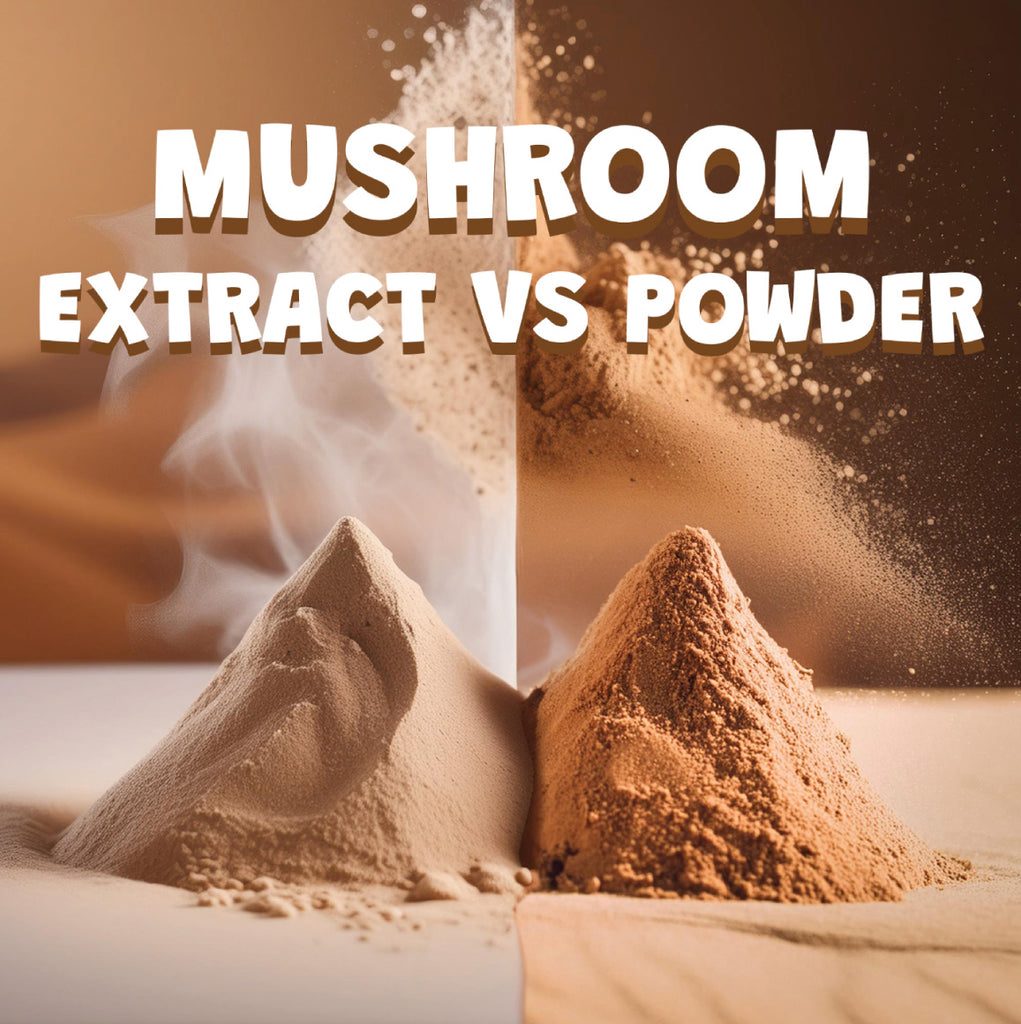
Mushroom Powder
Mushroom powder is obtained by drying mushrooms and then grinding them into a fine powder. This powder usually retains the full amount of nutrients, fibers, and flavor profiles of the original mushroom. It is important to note that the content of active substances such as beta-glucans (bioactive compounds in mushrooms) can vary based on factors such as the type of mushroom and growing conditions.
Benefits of Mushroom Powder
- Retaining the whole mushroom in powder form ensures that you benefit from all available nutrients and bioactive compounds.
- Mushroom powder often contains significant amounts of fiber, which is beneficial for digestion and gut health.
- It can be added to smoothies, soups, sauces, and baked goods, making it easy to incorporate into various recipes.
Mushroom Extract
Mushroom extracts are concentrated liquid or powdered supplements obtained by extracting the active compounds from the mushroom. This process concentrates certain bioactive substances, such as beta-glucans and other polysaccharides, while other elements of the mushroom may be less present in the final extract.
Benefits of Mushroom Extract
- Mushroom extracts can contain higher concentrations of specific bioactive compounds, potentially offering more powerful health benefits.
- Because the active compounds are concentrated, the body can absorb them more easily than if you had to consume large amounts of mushroom powder.
- Extracts make it easier to measure the desired dosage accurately compared to measuring powder.
Purity and Potency
Mushroom Powder: Made from whole, dried mushrooms, retaining all natural components (including fiber, chitin, and other structural substances). Its concentration of active compounds (such as β-glucan and triterpenoids) is lower because they are not isolated or concentrated. Therefore, its potency is relatively mild, suitable for daily nutritional supplementation, but larger doses are required to achieve specific effects.
Mushroom Extract: Selectively extracted and concentrated with specific active ingredients (such as polysaccharides and triterpenoids) using methods such as solvents, hot water, or supercritical CO₂. The extraction process removes indigestible chitin and cellulose, significantly increasing the concentration of active substances (typically 2-10 times that of powder). Therefore, extracts are more potent, have higher bioavailability, and can achieve targeted effects (such as immunomodulation and anti-inflammation) at low doses.
Flavor Profiles and Culinary Integration
Mushroom Powder: Retains complete natural flavors—earthy, umami, and slightly nutty—and has a darker color (depending on the mushroom variety). Due to its rich flavor, it’s suitable for enhancing the flavor of dishes and can be added to soups, sauces, stews, baked goods, and even coffee. Its powdery texture makes it easy to mix and integrate into regular diets without needing to adjust the formula.
Mushroom Extract: After extraction and drying, the flavor is significantly diluted, typically neutral or slightly bitter (depending on the solvent and process). It has a lighter color. Due to its milder flavor, extracts are more suitable for use in dietary supplements, capsules, or functional beverages, without interfering with the overall taste of the final product. In cooking, it’s often used in scenarios where functional gains are needed but the original flavor doesn’t need to be altered (such as flavorless protein powder and nutrition bars).
Vegan-Friendly Production
Mushroom Powder: Involves only drying and physical grinding, without any chemical solvents or animal-derived additives. The production process is naturally vegan and contains no dairy products, gelatin, or other animal ingredients. It can be directly labeled “vegan.”
Mushroom Extract: The extraction process may use water, ethanol, or other plant-based solvents; all solvents are removed in the final product, and no animal ingredients are involved. The key to vegan certification lies in whether animal-derived filter aids (such as gelatin or chitosan) are used in the extraction process—responsible manufacturers will use plant-based or synthetic alternatives. As long as such excipients are avoided, the extract also meets vegan standards. Therefore, both can be vegan in essence, but the production of extracts requires more careful process selection to ensure compliance.
In summary: Mushroom powder is more “whole food,” has a richer flavor, and is gentler, making it suitable for daily cooking and nutritional supplementation; mushroom extract is pure, highly effective, and has a neutral flavor, making it more suitable for functional health products and targeted health interventions. Both are vegan-friendly, but the source of solvents and filter aids for extracts needs to be carefully considered.
How to Choose a Mushroom Powder
As with any food or supplement you buy, it’s essential to research the brands and read the labels. Many mainstream mushroom powders may seem like a healthy choice upon first glance. But once you look a little more closely, you might find a list of fillers, flavorings, stabilizers, preservatives, and artificial ingredients. To make sure you’re choosing a mushroom powder that’s actually good for you, look for the following criteria:
- USDA Organic
- Non-GMO
- Third-party tested and verified
- 100% mushroom extract
- Gluten-free and vegan (if that’s important to you)
Conclusion
Mushroom powders are a simple yet powerful way to fortify your meals with essential nutrients, adaptogens, and functional compounds. Their versatility allows them to be seamlessly incorporated into a variety of dishes, from broths and grains to smoothies and baked goods. Whether you’re looking to boost immunity, enhance mitochondrial function, or simply add more fungi-based nutrition to your diet, mushroom powders offer a natural and effective solution.
The choice between mushroom powder and extract depends on your personal goals and needs. If you are looking for a broad nutritional supplement and the versatility of whole mushroom powder, powder might be suitable for you. However, if you want specifically targeted health benefits, such as an immune system boost, a concentrated mushroom extract is better suited. In short, both mushroom powder and extracts have their own unique benefits and applications, and one is not better than the other.

Jady
Jady has over 20 years of experience in the plant extract industry and is a seasoned expert in natural plant active ingredients. She specializes in the research, analysis, and extraction of plant extracts, natural sweeteners, mushroom extracts, cosmetic ingredients, and other plant active ingredients. Jady possesses a deep understanding of international food safety standards such as FDA and EFSA, and can clearly explain complex biochemical concepts to formulators worldwide. Her expertise effectively helps brands bridge the gap between scientific research and commercial applications, focusing on developing natural health products. She excels at guiding brands to understand the specific applications of various ingredients in dietary supplements, functional foods, and cosmetics, enabling clients to more easily select suitable ingredients and find reliable solutions.


Get in Touch
If you are considering sourcing high-quality raw materials, developing new products, customizing formulas, or have any other questions, please contact us!
We are ready to provide you with high-quality raw materials, personalized formula customization, private label solutions, or any other assistance to help you embark on your brand journey!
