
 EN
EN CN
CN
 June 18, 2026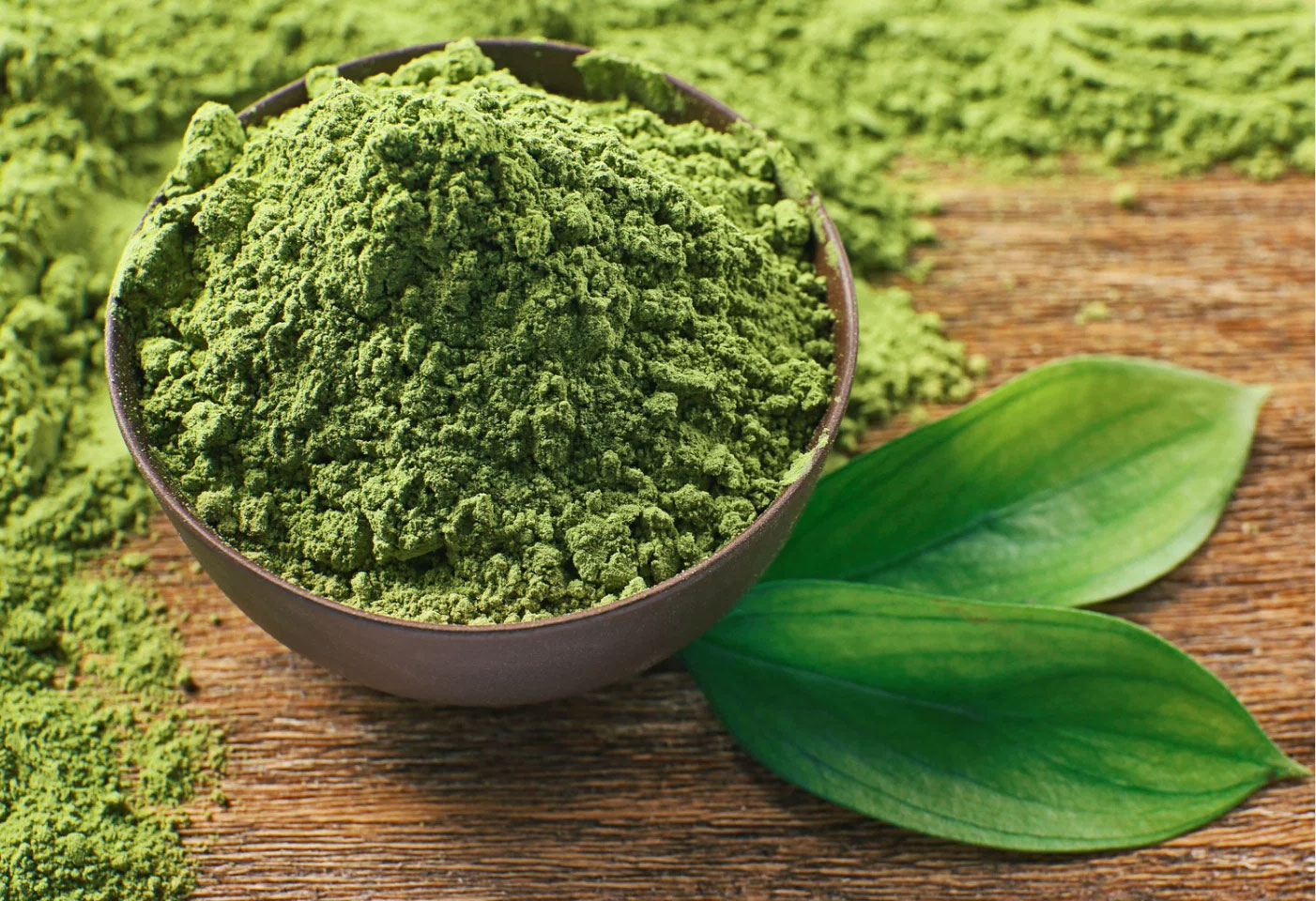
Matcha is a highly revered type of green tea powder originating from Japan. It is crafted by grinding specially processed tea leaves into an ultra-fine powder. However, not all matcha is created equal.
Various grades of matcha are available on the market. Understanding each grade and its unique characteristics can help you make the best choice for your specific needs, whether you are formulating a new health beverage or searching for premium baking ingredients.
What Is Matcha?
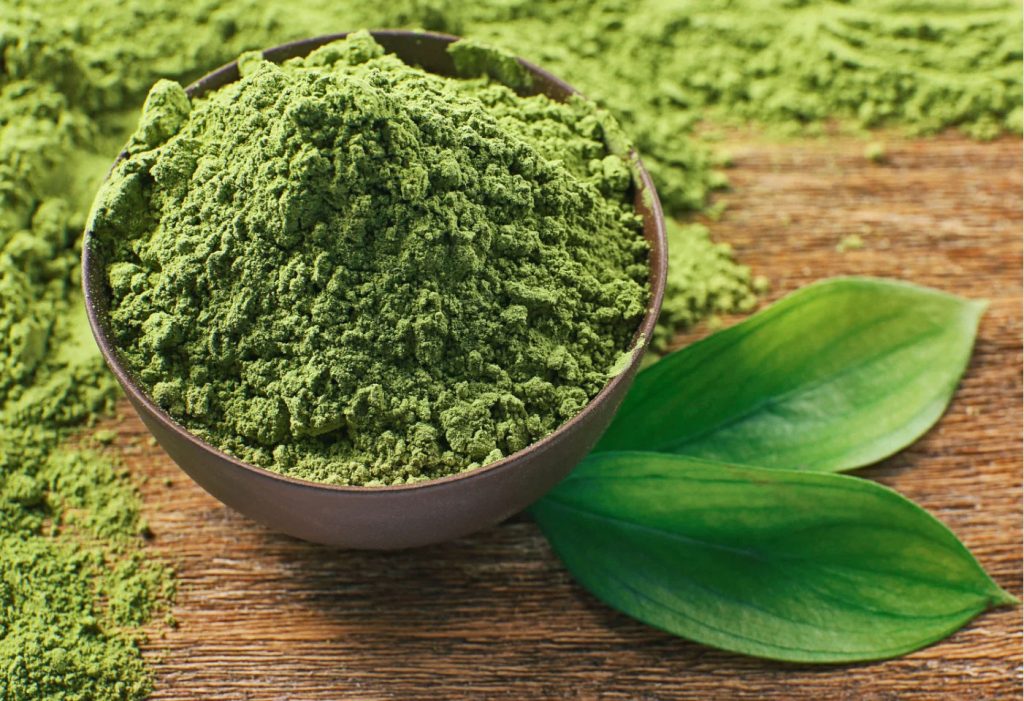
Matcha powder is a finely ground green tea made from specially grown and processed Camellia sinensis leaves. Unlike regular green tea, where the leaves are steeped in water and then discarded, matcha is consumed whole. This means you ingest the entire leaf and absorb all of its natural nutrients.
The tea plant is deliberately shaded for a few weeks prior to harvesting. This critical step stimulates chlorophyll production, providing matcha with its signature deep green color and silky texture. Only the greenest, most vibrant leaves from the first and second harvests qualify for premium grades.
The Different Grades of Matcha Green Tea Powder
Matcha is generally categorized into three primary grades: ceremonial, premium (latte), and culinary. A powder is placed into one of these categories based on where the tea plants are grown, cultivation methods, harvest timing, and the manufacturing process.
These variables directly impact the color, texture, nutritional composition, taste, and ultimate application of the final product.
Culinary Grade Matcha
Often referred to as cooking or chef’s choice matcha, this grade is cultivated specifically as an ingredient for cooking, baking, and commercial botanical extract supplements. Sourced from older tea leaves (usually the second or third harvest) exposed to more sunlight, it features a higher catechin content. This gives culinary matcha a bold, slightly astringent flavor that shines through beautifully when mixed with other ingredients. It typically possesses a more subdued, yellowish-green color and a slightly grainier texture.
Premium or Latte Grade
Sitting comfortably between ceremonial and culinary, premium barista-grade matcha is perfect for blending into beverages. It features intense grassy notes and bittersweet undertones, striking the ideal balance between strength and taste. Because it boasts a smaller particle size than culinary matcha, it whisks smoothly into a homogenous mixture. When combined with milk and sweeteners, it resists clumping and produces a silky, vibrant beverage.
Ceremonial Grade
Used for centuries in traditional Japanese tea ceremonies, this is the highest quality matcha available. Produced exclusively from the first harvest, the youngest leaves are heavily shaded to maximize chlorophyll content, resulting in a vibrant emerald green color. Stems and veins are meticulously removed before stone-grinding. This painstaking process yields a naturally sweet, smooth flavor with a remarkably fine texture and zero bitterness. Ceremonial grade should be consumed purely with hot water to fully appreciate its nuance.
Green Spring Matcha Grades
To meet diverse industry requirements, Green Spring offers a highly categorized portfolio of matcha powders ranging from everyday culinary use to elite tea ceremonies.
| Number | Grade | Picture | Color | Taste | Applications |
|---|---|---|---|---|---|
| GS07 | High-end Ceremonial (AAAAAAA) | 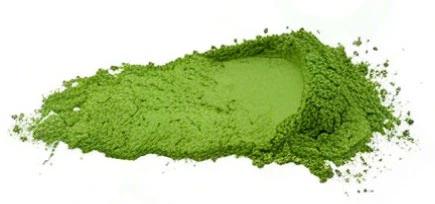 |
Bright Emerald Green | Strong, Fresh, Mellow | High-end gifts, tea ceremonies, premium whisking tea |
| GS06 | Ceremonial (AAAAAA) |  |
Bright Emerald Green | Strong, Fresh, Mellow | Exquisite gifts, traditional tea ceremonies, direct drinking |
| GS05 | Ceremonial (AAAAA) |  |
Bright Emerald Green | Strong, Fresh, Mellow | Tea ceremonies, high-end coffee, premium ice cream |
| GS04 | Ceremonial (AAAA) | 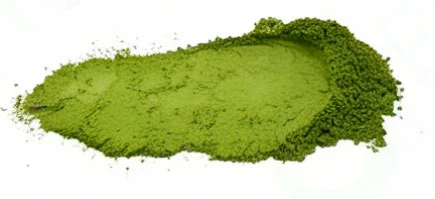 |
Bright Emerald Green | Strong, Fresh, Mellow | High-end beverages and premium commercial baking |
| GS03 | Premium Grade (AAA) |  |
Emerald Green | Fresh, Mellow Taste | Medium-end lattes, commercial beverages, baking |
| GS02 | Standard Grade (AA) |  |
Olive Green | Fresh, Mellow Taste | Everyday drinks, standard coffee shop formulations |
| GS01 | Primary Grade (A) |  |
Yellowish Green | Slightly Bitter Taste | Daily commercial cooking, large-scale baking |
How to Compare Matcha Powder Quality
A simple hands-on method to compare matcha quality is the standard finger test:
- Place small piles of different matcha powders on a clean sheet of paper.
- Use your finger to draw a firm line through each pile.
- Wipe your finger clean between tests to avoid cross-contamination.
High-quality matcha will feel noticeably smoother and produce a more solid, longer-lasting line. This indicates a finer grind and superior leaf quality.
How to Choose the Right Grade for You
Selecting the correct matcha depends entirely on how you intend to prepare and consume it. Using a ceremonial grade for baking is a waste of money, while using a culinary grade for traditional sipping will result in a bitter experience.
- For Traditional Drinking (Ceremonial): If you want to drink your matcha pure, whisked only with hot water, this is the grade for you. It offers a naturally sweet, nuanced flavor with zero bitterness.
- For Everyday Lattes (Premium/Barista): This is the best fit if you enjoy your matcha mixed with milk, sweeteners, or smoothies. Its stronger flavor profile allows the tea notes to stand out when blended with plant-based milks.
- For Recipes and Baking (Culinary): If you are planning to mix matcha into cookies, pancakes, ice cream, or heavy dairy drinks, opt for culinary grade. Its robust, slightly earthy flavor cuts through heavy ingredients perfectly, and it is much more budget-friendly.
FAQ
What are the Main Health Benefits of Matcha?
The primary benefit is 100% whole leaf nutrition. By consuming the entire tea leaf in powdered form, your body absorbs all available antioxidants, amino acids, vitamins, and minerals. It provides a clean, sustained source of natural energy without the typical caffeine crash.
What is the Difference Between Matcha and Green Tea?
Though both originate from the Camellia sinensis plant, matcha undergoes shading, hand-picking, de-stemming, and stone-grinding. Standard green tea leaves are grown in full sun and steeped in water. With matcha, you ingest the actual leaf rather than just infused water.
How Much Caffeine Does Matcha Contain?
One cup of matcha contains roughly half the caffeine of a cup of coffee. However, matcha is rich in L-theanine, an amino acid that slows the absorption of caffeine into the bloodstream, delivering a stable, jitter-free energy boost lasting up to 6 hours.
Why does good matcha cost more?
Exceptional matcha requires intensive labor: careful shading, selective harvesting, meticulous sorting, and slow stone-grinding. The more the product is intended to be consumed purely with water, the higher the production standards. A price that seems too good to be true often signals low quality or poor freshness.
How do I recognize bad matcha?
Warning signs include a khaki or brownish color, a dusty or stale aroma, and a harsh bitterness that immediately dries out your mouth. High-quality matcha features a vivid green color, a fresh vegetal scent, and a silky, round mouthfeel.
How long will matcha tea last?
Unopened matcha tins will keep in a freezer for up to a year. Once opened, it should be consumed within a few months. Because the fine powder has a massive surface area, it oxidizes rapidly when exposed to light, heat, and humidity, which turns it yellow and bitter. Always store it in an airtight container.