
 EN
EN CN
CN
Blog
Rosemary Extract vs. Rosemary Oil :What are the differences?
Rosemary is a popular ingredient in both hair and skincare products, yet many people mistakenly use the terms “rosemary oil” and “rosemary extract” interchangeably. Although derived from the same botanical source, these two substances differ significantly in their production methods and mechanisms of action. It is worth noting that rosemary contains bioactive compounds such as… Continue reading Rosemary Extract vs. Rosemary Oil :What are the differences?
 June 16, 2026
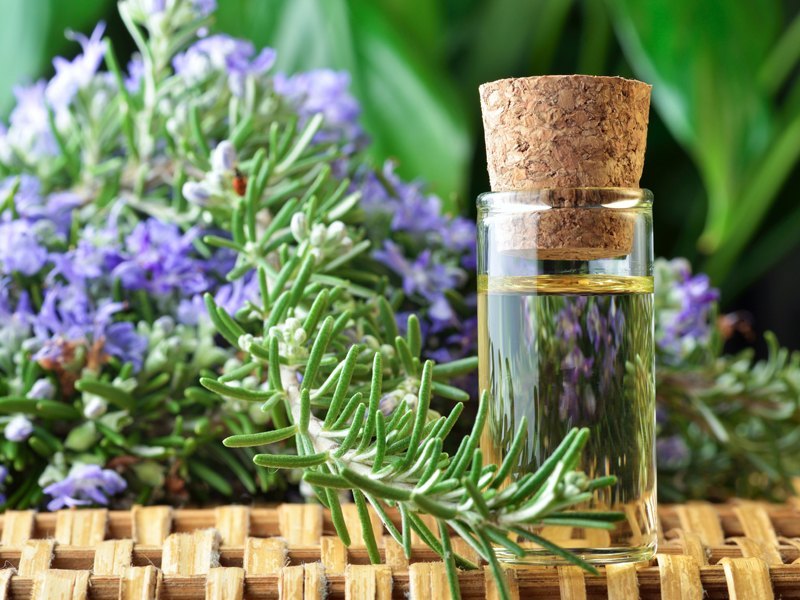
Rosemary is a popular ingredient in both hair and skincare products, yet many people mistakenly use the terms “rosemary oil” and “rosemary extract” interchangeably. Although derived from the same botanical source, these two substances differ significantly in their production methods and mechanisms of action. It is worth noting that rosemary contains bioactive compounds such as cineole and rosmarinic acid, which have been studied for their potential to support scalp health and combat oxidative damage. The key distinction lies in how these active components are isolated and applied. Gaining a clear understanding of these differences allows you to select the most suitable option based on your specific skin or hair concerns.
What Is Rosemary Extract?
Rosemary extract is obtained by using water or solvent-based methods to draw out beneficial compounds from the plant. Unlike the oil, it is less concentrated and contains more stable constituents such as rosmarinic acid and polyphenols. These components are recognized for their antioxidant and calming properties. Rosemary extract is frequently incorporated into skincare and haircare formulations due to its ability to protect the skin and scalp from environmental stressors like pollution. It has a gentle nature, making it suitable for regular use in daily care products.
What Is Rosemary Oil?
Rosemary oil is produced by infusing rosemary leaves in a carrier oil—commonly olive or coconut oil—over several weeks. The mixture is then strained to remove plant debris, resulting in an oil with a potent, characteristic fragrance. Unlike the essential oil, this form is diluted and less intense. It is widely applied in aromatherapy and massage practices, and is also valued in hair care for its reputed ability to promote hair growth.
Rosemary Extract vs. Rosemary Oil
|
Basis of Difference |
Rosemary Oil |
Rosemary Extract Oil |
|
Extraction Method |
Steam distilled from rosemary leaves |
Extracted using water or solvents |
|
Composition |
Rich in volatile compounds like cineole and camphor |
Rich in antioxidants like rosmarinic acid and polyphenols |
|
Function |
Improves blood circulation and scalp stimulation |
Provides antioxidant protection and soothing effect |
|
Potency |
Highly concentrated and strong |
Mild and less concentrated |
|
Usage |
Applied with carrier oil, mainly for scalp massage |
Used in creams, serums and shampoos |
|
Skin Suitability |
May irritate sensitive skin if undiluted |
Generally safe for sensitive skin |
|
Safety |
Needs dilution before use |
Safer due to lower concentration |
|
Role in Hair Growth |
Supports follicle stimulation through circulation |
Supports scalp health and reduces damage |
Rosemary Oil
A concentrated aromatic extract from the rosemary plant.
Used for:
- Hair growth support
- Scalp stimulation
- Aromatherapy
- DIY blends
Rosemary Extract
A broader plant extract used mainly for antioxidant benefits.
Often found in:
- Skincare
- Food preservation
- Supplements
- Cosmetic formulas
It may help scalp health, but it is not the same as rosemary essential oil.
FAQs
Is rosemary oil the same as rosemary extract?
No, rosemary oil and rosemary extract are not the same. Rosemary oil is a highly concentrated essential oil obtained through steam distillation and contains volatile compounds that help stimulate the scalp. In contrast, rosemary extract is made using water or solvents and contains antioxidants like rosmarinic acid, which help soothe and protect the skin and scalp. They differ in composition, strength and usage, so they are not interchangeable.
Which is better for hair growth, rosemary oil or rosemary extract?
Rosemary oil is generally considered more effective for supporting hair growth because it helps improve blood circulation to the scalp, which supports hair follicle activity. Rosemary extract, on the other hand, helps maintain scalp health by reducing oxidative stress and irritation. Both play different roles, and using them together can support overall hair health more effectively.
Can I use rosemary oil and rosemary extract together?
Yes, rosemary oil and rosemary extract can be used together because they work in different ways. Rosemary oil helps stimulate the scalp and improve circulation, while rosemary extract provides antioxidant protection and helps maintain a balanced scalp environment. Using both as part of a routine can help improve overall scalp and hair condition over time.
Are rosemary oil and rosemary extract used in hair care products?
Yes, both rosemary oil and rosemary extract are commonly used in hair care products, but for different purposes. Rosemary oil is often included in scalp oils and treatments for stimulation, while rosemary extract is used in serums, shampoos and creams for its antioxidant and soothing benefits, making it suitable for regular use.
What type of products should I choose for better results?
The choice depends on your goal and skin type. If you want scalp stimulation, oil-based formulations with rosemary oil may help when used correctly. If you prefer gentle daily care, products containing rosemary extract are more suitable. Many modern formulations combine both to provide balanced benefits like stimulation, protection and overall scalp health.
Summary
Although rosemary oil and rosemary extract are both derived from the same botanical source, they serve distinct purposes. Rosemary oil is primarily used to promote scalp stimulation and enhance blood circulation, whereas rosemary extract is better suited for protective and calming effects. These two forms are not interchangeable; however, when applied appropriately, they can work together synergistically. The best choice ultimately depends on your specific skin type and the objectives you wish to achieve with your hair care routine.

Jady
Jady has over 20 years of experience in the plant extract industry and is a seasoned expert in natural plant active ingredients. She specializes in the research, analysis, and extraction of plant extracts, natural sweeteners, mushroom extracts, cosmetic ingredients, and other plant active ingredients. Jady possesses a deep understanding of international food safety standards such as FDA and EFSA, and can clearly explain complex biochemical concepts to formulators worldwide. Her expertise effectively helps brands bridge the gap between scientific research and commercial applications, focusing on developing natural health products. She excels at guiding brands to understand the specific applications of various ingredients in dietary supplements, functional foods, and cosmetics, enabling clients to more easily select suitable ingredients and find reliable solutions.


Get in Touch
If you are considering sourcing high-quality raw materials, developing new products, customizing formulas, or have any other questions, please contact us!
We are ready to provide you with high-quality raw materials, personalized formula customization, private label solutions, or any other assistance to help you embark on your brand journey!
