
 EN
EN CN
CN
 May 20, 2026
Botanical extracts have been used for centuries to treat a variety of ailments. Today, they are gaining popularity as natural alternatives to traditional medicine. Botanical extracts are made from leaves, flowers, roots, and other parts of plants. They are usually taken in the form of capsules, tablets, or teas.
Botanical extracts are believed to have a number of health benefits, including the ability to boost the immune system, fight inflammation, and improve digestion. They are also thought to help reduce stress and anxiety. While more research is needed to confirm these benefits, botanical extracts are a safe and effective way to improve your health.
What Are Botanical Extracts?
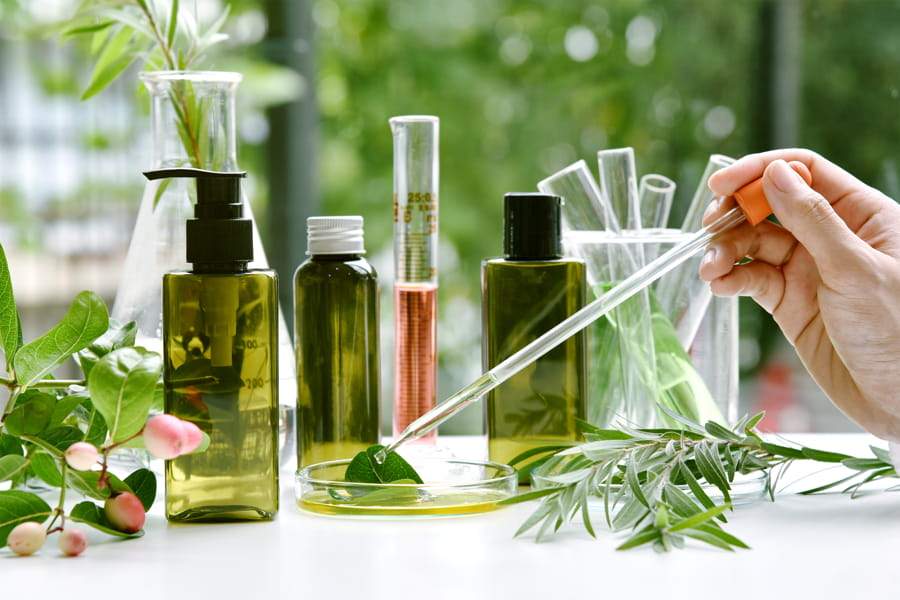
Botanical extracts are concentrated substances derived from plants, including roots, leaves, fruits, seeds, and flowers. They capture the bioactive compounds of the original botanical source and are used across industries for their functional, nutritional, and aromatic properties.
Whether extracted through cold pressing, distillation, or solvent methods, these ingredients are valued for their versatility and performance. It can be widely used as raw material in the industries such as food and beverage, pharmaceuticals, health care products and cosmetics.
How Plants are Extracted
Plants are extracted in a number of ways, depending on the plant, purpose of the extract, plant part extracted, and, to some extent, past experience. There is no one way to extract a plant. You will find numerous ways to extract a plant for the same plant part and same extract type.
Some of the ways in which a plant might be extracted include:
- Distillation (hydro/steam)
- Solvent extraction
- Expression
- CO2 extraction (total/select)
- Infusion (water/oil/alcohol)
- Decoction
- Tincture
- Enfleurage
- Powdered extract (using a solvently extract herb or plant).
Types of Botanical Extract
The first step in choosing an extract is understanding how it’s produced. Extraction methods affect everything from texture to potency, so let’s break down the most popular types:
Tinctures: The Classic Liquid Extract
Tinctures are like the grandparent of botanical extracts—simple, time-tested, and still widely used. They’re made by soaking plant material in a solvent (usually alcohol, but sometimes glycerin for alcohol-free options) for weeks, then straining out the solids. The result? A potent liquid that’s easy to mix into liquids or take directly (think: that little dropper bottle of echinacea you reach for during cold season).
Pros: They preserve volatile compounds (like essential oils) well and have a long shelf life. Cons: The alcohol base might not work for all products (e.g., children’s supplements or alcohol-sensitive skincare). Best for: Herbal remedies, oral supplements, and natural tonics.
Powders: Versatile and Stable
If you’ve ever taken a green superfood mix or used a plant-based protein powder, you’re familiar with powdered botanical extracts. These start as a liquid extract (often via water or ethanol) that’s then dried and ground into a fine powder. The drying process (freeze-drying is common for heat-sensitive plants) locks in nutrients, making powders incredibly stable and easy to store.
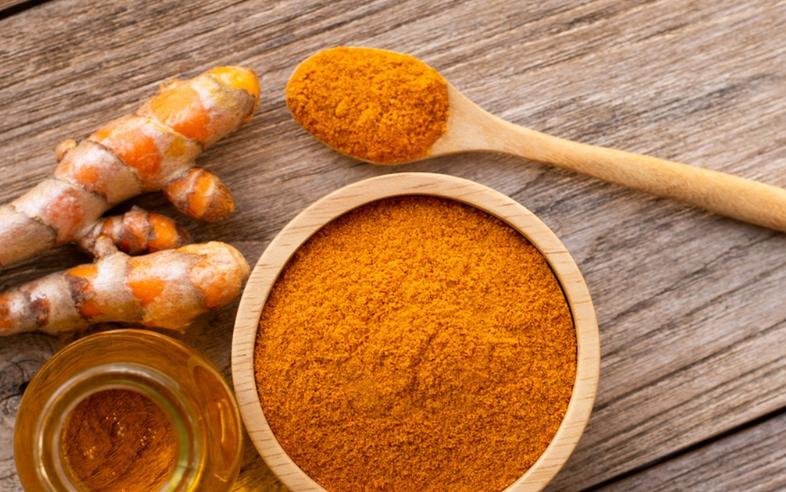
Examples: Matcha powder (green tea extract), turmeric powder, or moringa powder. They’re a favorite in supplements because they blend easily into capsules, smoothies, or even baked goods. Pros: Long shelf life, easy to measure, and versatile.
Cons: Can clump if not stored properly, and some heat-sensitive compounds might degrade during drying. Best for: Supplements, food additives, and powdered skincare (like masks).
Oil-Based Extracts: Nourishing and Rich
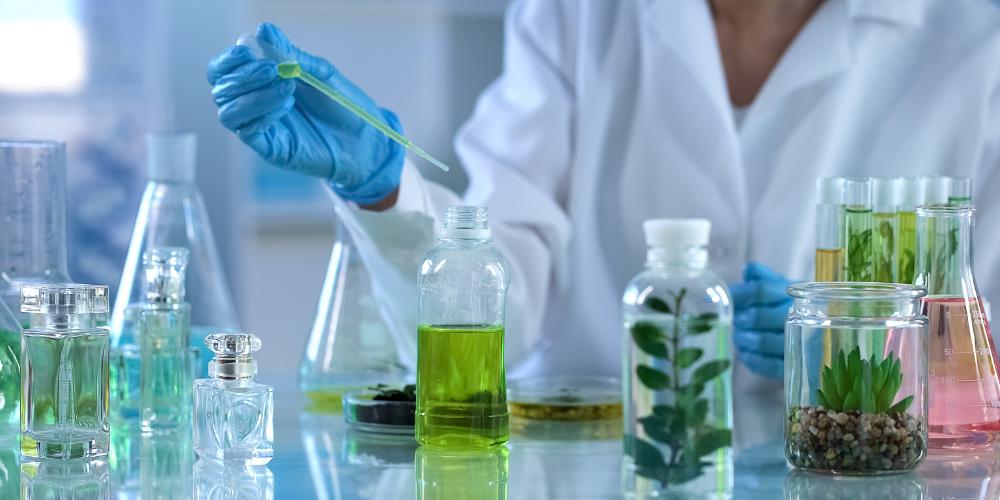
Oil-based extracts (sometimes called “infused oils”) are made by soaking plant material in a carrier oil (like jojoba, olive, or coconut oil) over low heat. The oil draws out fat-soluble compounds (think: vitamins A, D, E) and leaves you with a nutrient-dense liquid that’s perfect for skin and hair care.
Examples: Calendula oil (soothing for sensitive skin), argan oil (rich in fatty acids for hair), or rosehip oil (packed with vitamin C for brightening).
Pros: Gentle on skin, moisturizing, and great for topical use. Cons: Not ideal for water-based products (they’ll separate), and shelf life is shorter than powders. Best for: Skincare serums, hair oils, and massage oils.
Supercritical CO2 Extracts: The High-Tech Option
For the most pure, solvent-free extracts, supercritical CO2 extraction is the gold standard. Here’s how it works: CO2 is pressurized into a “supercritical” state (half-gas, half-liquid) that acts like a solvent, pulling out compounds without leaving chemical residues. It’s pricier than other methods, but the result is an extract with near-perfect purity—no leftover alcohol or oil.
Examples: CBD extracts (to avoid THC), rosemary extract (used as a natural preservative in food), or hops extract (for beer brewing, believe it or not).
Pros: No solvent residues, preserves delicate compounds. Cons: Expensive equipment means higher costs. Best for: Pharmaceuticals, high-end skincare, and products where purity is non-negotiable.
Top 10 Botanical Extracts for Modern Skincare
Aloe Vera Extract
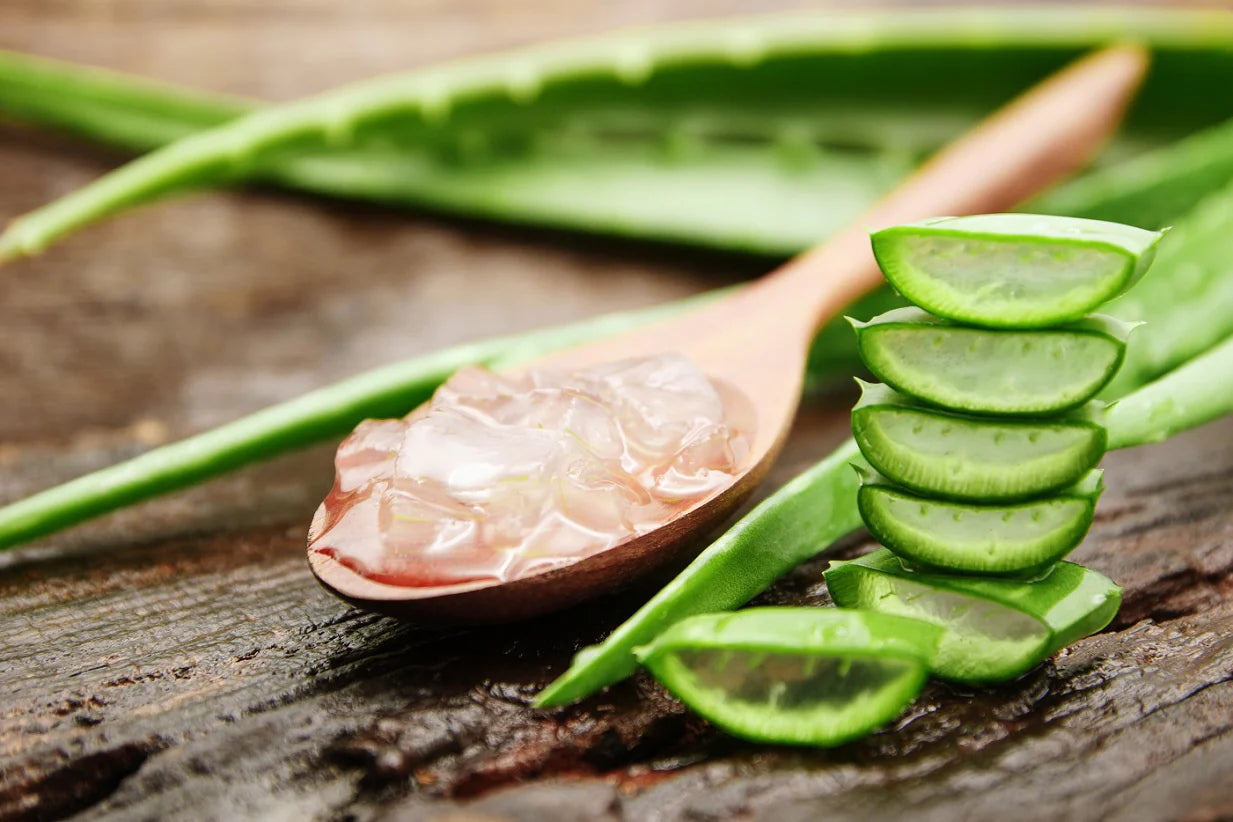
Aloe vera is one of the most widely used botanical ingredients in skincare.
🌿 Soothes irritated skin
✨ Promotes healing
Green Tea Extract
Rich in antioxidants like polyphenols, green tea helps protect skin from environmental damage.
🍃 Reduces inflammation
🧪 Controls excess oil
Chamomile Extract
Known for its calming effects, chamomile is a gentle yet powerful extract.
🌸 Soothes sensitive skin
🩹 Anti-inflammatory
Turmeric Extract
A powerful Ayurvedic ingredient, turmeric is known for its brightening and healing properties.
🦠 Fights acne-causing bacteria
🎨 Reduces pigmentation
Liquorice Root Extract
A popular ingredient for skin brightening and pigmentation control.
⚖️ Evens skin tone
🛡️ Anti-inflammatory
Rose Extract
Derived from rose petals, this extract is both luxurious and effective.
🌀 Tightens pores
✨ Adds natural glow
Calendula Extract
Calendula is widely used for its healing and soothing properties.
🧊 Reduces irritation
🔄 Promotes skin regeneration
Neem Extract
A powerful antibacterial botanical widely used in herbal skincare.
🧼 Purifies skin
⚓ Controls oil production
Ashwagandha Extract
An adaptogenic herb that is gaining popularity in modern skincare.
☄️ Protects against stress-related damage
🧬 Improves skin elasticity
Bakuchi (Babchi) Extract
A natural alternative to retinol, widely used in clean beauty formulations.
〰️ Reduces fine lines
🧫 Improves skin texture
Botanical Extracts by Use: Where Do They Shine?
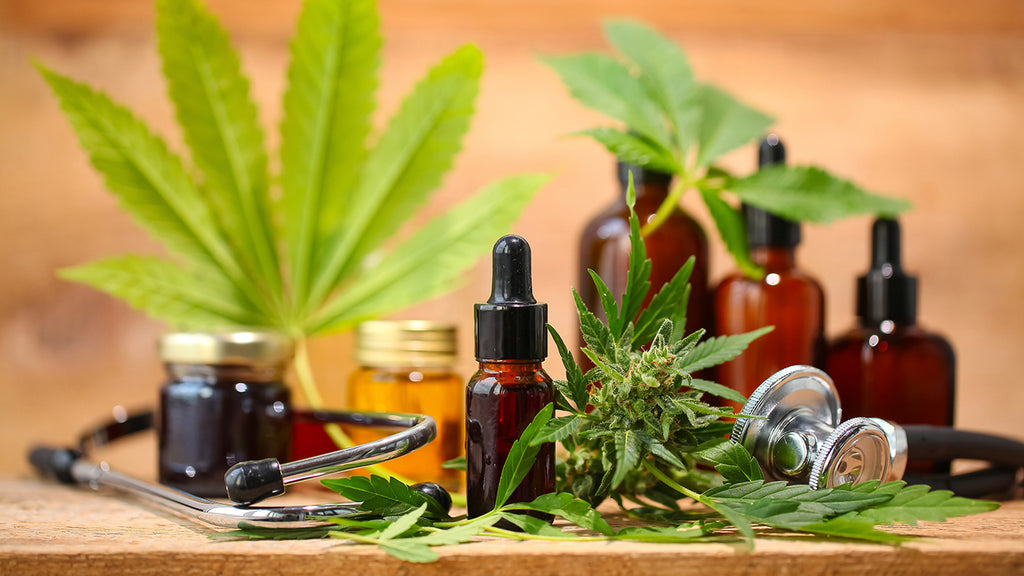
Now that you know how extracts are made, let’s talk about where they’re used. Different industries prioritize different properties—here’s a breakdown of the biggest categories:
- Skincare & Cosmetics: Nourishment from Nature
Walk into any clean beauty store, and you’ll see botanical extracts for cosmetics front and center. Brands love them for their ability to soothe, hydrate, or target specific concerns (like aging or acne) without harsh chemicals.
Examples: Aloe vera extract (soothes sunburns), green tea extract (fights free radicals), or rosehip oil (reduces fine lines). Even “miracle” ingredients like hyaluronic acid—once derived from animal sources—are now often plant-based (extracted from fermented wheat or soy).
What to look for: For skincare, you’ll want extracts that are gentle (low allergen risk) and tested for skin compatibility. Organic certification is a plus if you’re marketing “clean” products—consumers care about avoiding pesticides on their skin.
- Supplements: Boosting Health from the Inside
From immune support to stress relief, botanical extracts for supplements are a staple in the wellness world. These extracts are standardized to contain specific amounts of active compounds (e.g., “5% curcumin” in turmeric extract) to ensure consistent results.
Examples: Ashwagandha (adaptogen for stress), echinacea (immune support), or milk thistle (liver health). Many supplements use powdered extracts for easy encapsulation, but liquid tinctures are popular for faster absorption.
What to look for: Purity is key here—you don’t want fillers or contaminants. Look for third-party testing (like USP or NSF certifications) and clear labeling of active ingredients. If you’re buying in large quantities, bulk botanical extracts can save costs, but ensure the supplier has strict quality control.
- Food & Beverages: Flavour, Color, and Function
Botanical extracts aren’t just for health—they’re also about taste and aesthetics. Ever wondered how your kombucha gets its fruity flavor? Extracts. Or why that artisanal chocolate has a hint of vanilla? Extracts again. They’re used to add natural flavor (vanilla, mint), color (turmeric for yellow, beetroot for red), or even functional benefits (like adding fiber with inulin extract).
Examples: Vanilla extract (from vanilla beans), rosemary extract (natural preservative to extend shelf life), or ginger extract (spice for teas and sodas). Food-grade extracts need to meet strict safety standards, so certifications like FDA approval (in the US) or EFSA (in Europe) are non-negotiable.
Learn More About Botanical Extracts with Green Spring
Green Spring Bio is a professional supplier of Botanical extracts and active ingredients, dedicated to the research, development, production, and sales of Botanical active ingredients. With over 26 years of experience in supplying Botanical extracts, guaranteeing you a high-quality product with a competitive price, best service!! The company owns a cooperative factory covering over 1000 acres.
Its products encompass over 1000 botanical extracts, exported to 80% of countries and regions worldwide, serving over 1000 clients across various industries in more than 200 countries and regions, with annual exports exceeding 3000 tons.
We provide various dosage forms and neutral packaging, including mixed powders, granules, soft capsules, hard capsules, tablets, soft candies, etc., to meet the different needs of customers. These active ingredients can be used in dietary supplements, cosmetics and personal care, health foods, functional foods and beverages, Animal and pet nutrition, etc.
As a professional Botanical extract Active ingredients supplier, we have successfully obtained EU, NOP, USDA, Kosher, Halal, ISO9001, BRC, FDA, COSMOS, IFS and other quality system certifications.
Summary
Botanical extracts bridge traditional plant remedies with modern applications across skincare, supplements, and functional foods. From soothing aloe vera and brightening liquorice root to adaptogenic ashwagandha, these versatile ingredients meet the growing demand for natural, clean-label products.
Extracted through methods like CO₂ technology or infusion, they offer purity and potency. As consumers increasingly prioritise sustainability and transparency, botanical extracts provide effective alternatives to synthetic chemicals, making them essential for innovative, nature-based formulations in cosmetics, nutrition, and wellness industries.